
What Are Mississippi Payday Loans and Their Importance?
Kopitiamekonomi is a Personal and Payday Loan provider because it offers quick access to funds for unexpected expenses, which matters for residents in Mississippi seeking financial relief.
At Kopitiamekonomi, we specialize in Personal and Payday Loans in Mississippi, United States, helping individuals achieve financial stability and peace of mind during emergencies.
We monetize our services by providing tailored loan solutions that cater to the unique needs of our clients. Our goal is to empower borrowers with the knowledge and resources necessary to navigate the lending landscape effectively.
This guide covers the following key attributes of payday loans in Mississippi:
- Definition and structure of payday loans
- Application process and timeline
- Fees and interest rates
- Repayment options and strategies
- Legal compliance and consumer protections
What Defines a Payday Loan in Mississippi?
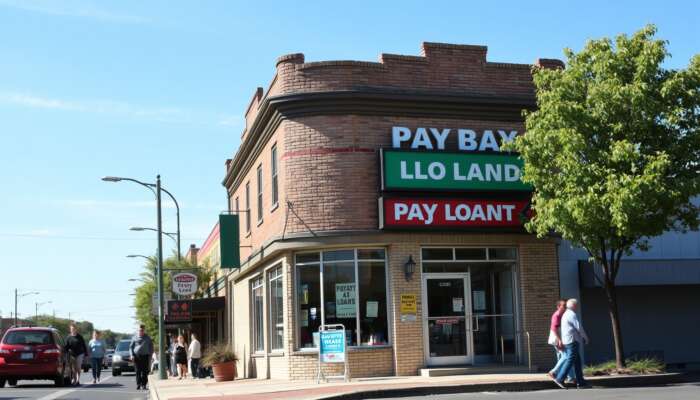
A payday loan in Mississippi is a short-term, high-interest loan typically due on the borrower’s next payday. These loans generally range between $100 to $500 and are designed to provide quick cash for unexpected expenses. Borrowers usually need to provide proof of income and a bank account to secure the loan, which is often repaid in full within two to four weeks. Understanding these basic elements is essential for making informed decisions and avoiding potential pitfalls.
Who Regulates Payday Loans in Mississippi?
Mississippi’s payday loans are primarily regulated by the Mississippi Department of Banking and Consumer Finance (DBCF). This agency oversees lenders, ensuring compliance with state laws and protecting consumers from predatory lending practices. Additionally, the Mississippi Attorney General’s Office plays a role in enforcing consumer protection laws, addressing complaints, and offering guidance to borrowers. Together, these bodies work to maintain a fair lending environment, safeguarding the interests of consumers and ensuring that lenders adhere to ethical practices.
What Are the Common Structures of Payday Loans?
Payday loans in Mississippi can vary significantly in structure. Understanding these differences is crucial for borrowers looking to make informed decisions. Below are some common elements associated with payday loans in Mississippi:
- Interest Rate Caps: Mississippi law limits the interest rates on payday loans, making it essential for borrowers to verify the rates before agreeing to a loan. See also: finance. For those considering alternatives, Credit Cards Are Better Than Payday Loans in Mississippi can provide valuable insights. For more information, check out our guide on how to get approved for a payday loan in Biloxi. How to Get Approved for a Payday Loan in Biloxi
- Repayment Options: Most payday loans require repayment in full on the borrower’s next payday, but some lenders may offer flexible repayment plans.
- Fees: Borrowers should be aware of any additional fees, such as processing or late payment fees, that may be attached to their loans.
- Loan Amounts: While loans can range from $100 to $500, borrowers must consider their ability to repay the full amount quickly.
- Eligibility Criteria: Generally, borrowers must be at least 18 years old, have a steady income, and possess an active bank account.
These elements help borrowers understand what they can expect from payday loans, ensuring that they are well-informed and prepared when taking on such financial obligations.
How Do Payday Loans Work in Mississippi?

What Is the Application Process for Payday Loans?
The application process for payday loans in Mississippi is typically straightforward, designed for quick access to funds. To begin, borrowers must visit a licensed lender, either online or in-person, and complete a loan application. The process generally involves several key steps:
- Documentation: Borrowers need to provide proof of income, which can include pay stubs or bank statements. A valid ID and a bank account are also required.
- Loan Amount Selection: Applicants choose how much they wish to borrow, keeping in mind the allowable limits and their repayment capacity.
- Application Review: The lender reviews the application, checking the provided documentation and assessing the borrower’s creditworthiness.
- Approval Timeline: Approval can take just a few minutes, especially with online applications. Once approved, the funds are typically deposited into the borrower’s bank account by the next business day.
This streamlined approach makes payday loans an attractive option for those facing unexpected expenses, but borrowers must remain cautious throughout the process.
What Are the Fees and Interest Rates for Payday Loans?
Understanding the fees and interest rates associated with payday loans is vital to avoid falling into debt traps. In Mississippi, payday loans come with specific charges that can significantly affect the total cost of borrowing. Generally, borrowers encounter the following standard fees:
- Interest Rates: Mississippi allows lenders to charge up to 300% APR, which can lead to high repayment amounts.
- Loan Processing Fees: Many lenders charge a processing fee, typically a percentage of the loan amount, to cover administrative costs.
- Late Payment Fees: If borrowers fail to repay on time, additional fees may apply, further compounding their debt.
- Renewal Fees: In some cases, borrowers may be allowed to renew their loans for an additional fee, but this can lead to extended debt cycles.
By being aware of these costs, borrowers can make more informed decisions and plan their repayment strategies effectively.
What Are the Potential Pitfalls for Borrowers?

Engaging with payday loans carries inherent risks that borrowers must recognize to make responsible financial choices. One of the primary risks is the potential for debt cycles, where borrowers take out new loans to pay off existing ones, leading to escalating debt. Other pitfalls include:
- Hidden Fees: Some lenders may impose fees that are not clearly disclosed upfront, which can surprise borrowers upon repayment.
- Pressure to Reborrow: Lenders may encourage borrowers to renew loans instead of repaying, perpetuating a cycle of debt that is hard to escape.
- Impact on Credit Scores: While payday loans often do not directly affect credit scores, failing to repay can lead to collections, negatively impacting creditworthiness.
To avoid these pitfalls, borrowers should approach payday loans with caution, ensuring they fully understand the terms and conditions before proceeding.
What Are the Repayment Options for Payday Loans?
Understanding repayment options and schedules for payday loans in Mississippi is critical to managing financial obligations. Typically, payday loans are structured to be repaid in a lump sum on the borrower’s next payday. However, several repayment strategies can help borrowers maintain control over their finances.
Lenders may offer options like:
- Flexible Repayment Plans: Some lenders allow borrowers to break their repayment into smaller, manageable installments rather than one lump sum.
- Loan Extensions: Borrowers can request extensions, but this often comes with additional fees, so it is essential to weigh the costs.
- Early Repayment: Paying off the loan early can save borrowers money on interest and fees, provided that the lender does not impose penalties for early payment.
- Budgeting for Repayment: Successful repayment often hinges on effective budgeting, allowing borrowers to allocate funds specifically for loan payments on their paydays.
By exploring these options and creating a solid repayment plan, borrowers can avoid falling behind and maintain their financial health.
What Are the Expert Insights on Mississippi Payday Loan Laws?
How Can Borrowers Ensure Compliance?
Navigating Mississippi’s payday loan laws effectively requires practical steps to ensure compliance and avoid pitfalls. Here are some actionable strategies that borrowers can implement:
- Research Lenders: Start by investigating licensed lenders in Mississippi, ensuring they comply with state regulations. This protects against predatory practices.
- Create a Financial Plan: Before taking out a loan, establish a budget that accounts for the loan repayment, including potential fees and interest rates.
- Explore Alternatives: Consider other borrowing options, such as credit unions or personal loans, which may offer more favorable terms than payday loans.
- Educate Yourself: Familiarize yourself with Mississippi’s laws on payday loans, including maximum interest rates and borrower rights, to ensure you make informed decisions.
By following these steps, borrowers can navigate the lending landscape with confidence, ensuring compliance with laws while protecting their financial interests.
What Are the Benefits of Seeking Professional Advice?
Consulting a financial advisor can be a wise decision for individuals considering payday loans. Expert guidance can illuminate various aspects that borrowers may overlook, enhancing their understanding of legal requirements and best practices. Key benefits of seeking professional advice include:
- Personalized Recommendations: Advisors can tailor advice based on the borrower’s unique financial situation, helping them choose the most appropriate loan products.
- Debt Management Strategies: Professionals can provide insights on managing existing debt and developing plans to avoid future borrowing.
- Legal Guidance: Understanding the intricacies of Mississippi’s payday loan laws can be complex, and advisors can help ensure borrowers adhere to regulations while protecting their interests.
Seeking professional advice not only enhances understanding but also fosters better financial decision-making, ultimately leading to healthier financial outcomes.
What Are the Long-Term Financial Impacts of Payday Loans?
Engaging with payday loans can have significant long-term financial implications. Understanding these impacts is crucial for borrowers looking to secure their financial futures. Key aspects include:
- Credit Score Effects: Regular late payments or defaults can severely affect borrowers’ credit scores, limiting their access to future credit and increasing borrowing costs.
- Debt Management: Relying on payday loans can create a cycle of debt, making it difficult to manage finances effectively and hindering growth opportunities.
- Financial Literacy: Over time, engaging with payday loans can increase awareness of personal finance concepts, encouraging borrowers to seek better financial products and strategies.
By recognizing these long-term impacts, borrowers can make more prudent choices, ultimately leading to improved financial health and stability.
What Are the Benefits of Understanding Mississippi Payday Loan Laws?
How Can Knowledge Empower Consumers?
Understanding Mississippi’s payday loan laws empowers consumers by equipping them with essential knowledge that fosters confident decision-making. When borrowers are aware of their rights and obligations, they can: For those in Starkville, MS, understanding payday loan laws is essential for making informed financial decisions. For those struggling, it's important to consider options like how to Recover from Payday Loan Debt with Effective Credit Repair.
- Negotiate Loan Terms: Knowledgeable consumers can advocate for more favorable terms, such as lower interest rates or extended repayment periods.
- Avoid Predatory Practices: Awareness helps borrowers identify reputable lenders and steer clear of those employing unethical practices.
- Make Informed Choices: With a solid grasp of the laws, borrowers can weigh the pros and cons of payday loans against other financial options more effectively.
Ultimately, this knowledge fosters financial independence, allowing consumers to take control of their financial destinies.
How Can Borrowers Protect Their Personal Finances?
Understanding payday loan laws is integral to safeguarding personal finances. Knowledgeable borrowers can implement strategies that enhance their financial security and reduce stress. Key protective measures include:
- Setting Spending Limits: By being aware of potential costs associated with payday loans, borrowers can establish clear budgets that prevent overborrowing.
- Emergency Fund Creation: Knowledge of loan terms encourages individuals to create emergency funds, reducing reliance on payday loans during crises.
- Educating Others: Sharing insights about payday loans and their regulations can help friends and family avoid similar pitfalls, promoting a community of informed borrowers.
Such strategies empower individuals to take proactive steps toward financial stability while minimizing the likelihood of falling into debt.
What Are the Legal Consequences of Non-Compliance?
Navigating the legal landscape surrounding payday loans is crucial for avoiding repercussions. Awareness of Mississippi’s laws can help consumers prevent issues like predatory lending and potential penalties for non-compliance. Key legal consequences include:
- Fines and Penalties: Borrowers who do not adhere to the repayment terms may incur fines or face legal action from lenders.
- Negative Credit Impact: Failing to repay loans can result in collections, severely damaging credit scores and future borrowing capacity.
- Legal Action by Lenders: Some lenders may pursue legal action to recover debts, leading to further financial stress and complications.
By understanding these potential pitfalls, borrowers can take proactive steps to comply with regulations, ensuring peace of mind and financial stability.
What Are the Research-Backed Benefits of Understanding Mississippi Payday Loan Laws?
Can Real-World Examples Illustrate Success?
Exploring real-world examples can illustrate the benefits of understanding payday loan laws and the positive outcomes that informed decisions can yield. Here are some notable success stories:
- Case Study of Debt Reduction: A borrower utilized knowledge of payday loan laws to negotiate a lower interest rate with a lender, reducing their overall debt by 15%.
- Effective Loan Management: By following a financial advisor’s guidance, another individual managed to eliminate payday loan dependence, transitioning to a savings-first approach that fostered financial growth.
- Community Advocacy: A group of borrowers educated themselves about their rights and successfully lobbied for changes in local lending laws, improving the landscape for future borrowers.
These examples underscore the tangible benefits of being informed about payday loan laws, demonstrating how knowledge can lead to successful financial outcomes.
What Challenges Do Borrowers Face in Loan Repayment?
Many borrowers face challenges in repaying payday loans, often leading to cycles of debt. Addressing these challenges requires an understanding of common obstacles and proactive solutions. Some prevalent issues include:
- Income Volatility: Fluctuations in income can hinder borrowers’ ability to repay loans on time, necessitating alternative repayment strategies.
- Mental Health Factors: Financial stress can lead to mental health issues that further complicate repayment efforts, making it crucial for borrowers to seek support.
- Lack of Financial Education: A lack of understanding about financial products can perpetuate poor decision-making, highlighting the need for ongoing education.
By recognizing these challenges, borrowers can adopt effective strategies to overcome hurdles, ensuring timely repayment and a healthier financial future.
How Can Borrowers Measure Financial Health Improvements?
To enhance overall financial stability, borrowers must track their progress in managing debt and repayment. Measuring improvements can include:
- Monitoring Credit Scores: Regularly checking credit scores can help individuals assess the impact of their loan repayment strategies and identify areas for improvement.
- Assessing Debt Ratios: Keeping track of debt-to-income ratios can provide insight into financial health, guiding borrowers in making informed financial decisions.
- Setting Financial Goals: Establishing clear financial goals and regularly reviewing progress can motivate individuals to remain committed to improving their financial situation.
These metrics serve as valuable tools for borrowers, enabling them to assess their financial health and make necessary adjustments to their borrowing habits.
What Are Evidence-Based Strategies for Safe Borrowing?
Leveraging research on Mississippi’s payday loan laws can empower borrowers to engage in safer borrowing practices. Here are several evidence-based strategies:
- Thorough Research: Investigate multiple lenders to ensure compliance with state regulations, focusing on those with positive reputations and favorable terms.
- Utilize Financial Tools: Employ budgeting apps to manage expenses and track repayments, enhancing overall financial management.
- Build Credit Wisely: Use payday loans sparingly and only when absolutely necessary, focusing on building credit through more sustainable financial products.
- Engage in Continuous Education: Stay informed about changing laws and regulations regarding payday loans to ensure ongoing compliance and to protect personal financial interests.
By adopting these strategies, borrowers can navigate payday loans more effectively, minimizing risks and fostering long-term financial resilience.
Why Is Compliance Important for Borrowers?
What Happens with Non-Compliance Issues?
Non-compliance with payday loan regulations can lead to serious consequences for borrowers. Key repercussions include:
- Fines and Legal Action: Borrowers who fail to adhere to loan agreements may face significant fines or legal action from lenders seeking to recover debts.
- Damage to Credit Scores: Non-compliance can also lead to collections and negative marks on credit reports, impairing future access to credit.
- Increased Financial Stress: The legal and financial fallout from non-compliance often exacerbates stress, making it harder for individuals to regain control of their finances.
Understanding these potential issues reinforces the importance of compliance, motivating borrowers to adhere to regulations while they navigate payday loans.
How Can Borrowers Build a Strong Credit Profile?
Maintaining compliance with payday loan laws is pivotal to building a strong credit profile. Strategies for achieving this include:
- Timely Payments: Regularly making payments on time is crucial for preserving credit scores and establishing a positive borrowing history.
- Diverse Credit Types: Engaging with various credit products responsibly can enhance credit profiles, showcasing a borrower’s ability to manage different types of debt.
- Monitoring Financial Activity: Regularly reviewing credit reports allows borrowers to stay informed about their credit status and address any discrepancies promptly.
By prioritizing compliance, borrowers can foster a solid credit profile, positioning themselves for future financial opportunities.
What Are Ethical Lending Practices?
Understanding ethical lending practices is critical for borrowers seeking to engage in responsible borrowing. Key ethical standards include:
- Transparency: Lenders should clearly disclose all terms, fees, and interest rates associated with loans.
- Fair Treatment: Borrowers should be treated fairly and without discrimination throughout the lending process.
- Responsible Lending: Lenders must assess borrowers’ ability to repay loans before approval to prevent over-indebtedness.
By recognizing and advocating for ethical lending practices, borrowers can contribute to a healthier financial ecosystem.

A Mississippi-based financial consultant with over a decade of experience in personal finance and payday lending. Originally from Jackson, he holds certifications in financial planning and credit advisory. Passionate about helping everyday Americans make smarter borrowing decisions, he focuses on guiding people away from common debt traps while promoting healthy financial habits. His expertise bridges the gap between short-term loan needs and long-term money management strategies. Outside of work, he volunteers with local programs that promote financial literacy across Mississippi.


It’s intriguing to delve into the topic of payday loans, particularly within the context of Mississippi. As someone who has navigated financial challenges in the past, I can understand the appeal of quick access to funds during emergencies. While the immediate relief these loans might provide is crucial, I appreciate how this blog emphasizes the importance of being informed about the risks and alternatives.
The exploration of Mississippi payday loans in your post highlights an important and often complex financial landscape for many residents. It’s crucial to be informed about the legal frameworks surrounding these loans, especially given the potential pitfalls associated with high fees and interest rates. For individuals facing unexpected expenses, the promise of quick cash can be tempting, but understanding the full implications of borrowing is essential.
You bring up some really important points about the complexities of payday loans in Mississippi, and you’re right—navigating this financial scene can be tricky. A lot of folks find themselves in tight spots, and when an unexpected bill pops up, the allure of quick cash can feel like a lifesaver. But it’s that very allure that can lead to some tough consequences down the road.
It’s interesting to see the discussion around payday loans in Mississippi, especially given how much of a lifeline they can be during tough times. I think what’s crucial is how people approach these loans and the education surrounding them. I’ve had family members who’ve found themselves in a tight spot financially, and payday loans seemed like the only solution to cover unexpected bills. But it’s easy to get trapped in a cycle of debt if you’re not careful about repayment terms and the fees involved.
It’s interesting to see how personal and payday loans are positioned as a lifeline for many in Mississippi, especially considering the unique economic challenges that can arise in that region. I appreciate how your post underscores the importance of understanding the legal framework and the risks associated with these types of loans. It’s crucial for borrowers to be well informed before making such significant financial decisions.
You bring up an important point about how personal and payday loans serve as a financial lifeline in Mississippi, especially given the region’s economic landscape. Many people find themselves in situations where these loans seem like the only immediate solution to cope with unexpected expenses. It’s a bit of a double-edged sword, though.
You’ve raised some important points about Mississippi payday loans, particularly regarding the necessity for borrowers to fully understand the implications before they take on such financial products. It’s critical to highlight that while these loans can offer immediate relief, they often come with exorbitant fees and high APRs that can trap borrowers in a cycle of debt.
Your insights into Mississippi payday loans resonate deeply with the realities many residents face, especially during unforeseen financial crunches. The way you’ve outlined the importance of understanding the legal framework surrounding these loans is crucial. Many individuals often overlook this aspect, diving into borrowing without fully comprehending the implications.
Your point about the legal framework surrounding payday loans is spot on. It’s so easy to get swept up in the urgency of needing cash quickly that many overlook the fine print or even the long-term consequences of high-interest loans. I’ve seen friends and family get caught in that cycle, where borrowing becomes a temporary solution but leads to a lot more stress down the road.
I really appreciate the insights shared about Mississippi payday loans. It’s interesting to see how these financial products can provide a lifeline for those facing unexpected expenses. I’ve seen friends get caught in the cycle of high-interest loans, and it can be tough to navigate out of that.
It’s interesting to see the emphasis on understanding the legal framework around payday loans in Mississippi. I think many borrowers often overlook the importance of being informed about fees and repayment terms. I remember a friend who faced unexpected medical expenses and, without alternatives, rushed into a payday loan without clarity on the interest rates. It ended up creating more financial strain.
I appreciate your take on Mississippi payday loans. It’s such a crucial topic, especially for folks who might find themselves in a tight spot financially. I’ve had some experience with similar loans—though I always tread carefully because of the potential pitfalls. The high interest rates can be daunting.