
What is Kopitiamekonomi and How Do We Help You with Personal & Payday Loans?
Kopitiamekonomi is a Personal & Payday Loan provider because we offer tailored financial solutions that meet the unique needs of individuals in Mississippi, United States. This matters for those seeking immediate financial relief or long-term stability.
At Kopitiamekonomi, we specialize in Personal & Payday Loans in Mississippi, United States, helping residents achieve financial freedom and stability. Our services are designed for individuals facing unexpected expenses or those looking to consolidate existing debts.
Our brand monetizes through providing accessible loan options while offering financial education and resources to empower our clients. We guide users through the loan process, ensuring they understand their options and responsibilities.
This guide covers:
- The benefits of credit counseling.
- How to qualify for services.
- The credit counseling process.
- Expected outcomes of credit counseling.
- Common mistakes to avoid when seeking financial help.
What is Credit Counseling?

Credit counseling involves working with certified agencies in the US to create personalized debt management plans. This service helps individuals budget and negotiate with creditors to reduce high-interest debt. Ultimately, it prevents reliance on payday loans, which can trap people in cycles of debt.
The essence of credit counseling lies in its structured approach to financial education and debt management. Engaging with a certified counselor allows clients to gain insights into their financial health and develop a tailored plan. This proactive step is crucial for those tempted to resort to payday loans. For more insights on managing your finances, explore our category on finance and business. If you're in Starkville, MS, consider reaching out for local credit counseling services. For more information, you can check out how to Break the Payday Loan Cycle in Mississippi Effectively. For more insights, check out our article on how to Avoid Payday Loan Debt Traps: Budgeting Tips You Need. For those in need, Mississippi Payday Loan Assistance Programs can provide additional support and resources.
What Are the Key Benefits of Credit Counseling in the US?
Credit counseling services from US-based nonprofit organizations can lower interest rates and consolidate debts. The key benefits of credit counseling in the US include:
- Improved credit scores through structured payment plans.
- Reduced stress associated with managing multiple debts.
- Access to educational resources about budgeting and financial management.
- Negotiation with creditors for better repayment terms.
These benefits create a pathway toward financial stability, steering individuals away from the pitfalls of payday loans. They promote informed financial decision-making.
How Do You Qualify for Credit Counseling Services?
In the US, eligibility for credit counseling often requires proof of income and debt details. This allows access to free or low-cost programs that educate on alternatives to payday loans, like emergency funds or budgeting tools. Most credit counseling agencies will ask for documentation detailing your income, expenses, and debts.
These programs assist a wide range of individuals, from those facing significant financial challenges to those wanting to improve their financial literacy. By providing thorough documentation, individuals can benefit from tailored advice that meets their unique financial needs.
How Does Credit Counseling Work?

Credit counseling in the US typically starts with a financial assessment by a certified counselor. This is followed by a tailored plan to pay off debts, avoiding predatory loans like payday advances. This initial assessment is crucial as it sets the stage for all subsequent actions.
During this assessment, counselors will review income, expenses, and debts in detail. Following this, a personalized repayment plan is created, which may involve negotiating with creditors to lower interest rates or consolidate debts into manageable monthly payments.
What Are Common Questions About Credit Counseling?
Many individuals have questions about credit counseling’s effectiveness in the US. For example, how does it impact credit reports? Credit counseling can lead to an improved credit score over time because it emphasizes on-time payments and responsible debt management.
One common concern is the effect on credit reports. While enrolling in a credit counseling program may initially result in a slight dip in credit scores, the long-term benefits—such as reduced debt and improved credit utilization ratios—far outweigh these initial changes.
What Are the Expected Outcomes of Credit Counseling?
Participants in US credit counseling programs often see reduced debt loads and better financial habits. They can steer clear of payday loans by building savings and learning negotiation skills with lenders. The outcome of a credit counseling program largely depends on the participant’s commitment to adhere to the guidelines set forth by their counselor.
Through consistent monthly payments and effective budgeting strategies, individuals can expect to watch their debts decrease steadily. As they learn to negotiate with creditors and manage their finances better, they become less reliant on short-term loans.
How Does Credit Counseling Compare to Alternatives?

In the US, credit counseling provides structured support that contrasts with high-interest payday loans. It helps individuals build creditworthiness and financial stability through personalized plans. The fundamental benefit of credit counseling is its holistic approach to financial health, addressing both the symptoms and root causes of financial distress.
Compared to payday loans, which offer little more than temporary relief, credit counseling equips individuals with the skills and knowledge needed to manage their finances long-term. Through comprehensive education and planning, clients can develop sustainable financial habits.
What Are Expert Insights on Using Credit Counseling to Avoid Payday Loans?
Real-world examples show how individuals used credit counseling to escape payday loan debt. For instance, a single mother in Texas, overwhelmed by unexpected medical bills, found herself relying on payday loans. By engaging with a certified credit counseling agency, she consolidated her debts into a manageable monthly payment plan.
This not only reduced her interest rates but also provided her with the education needed to budget effectively. Over time, she escaped the cycle of payday loan dependency and began to save for emergencies.
What Professional Advice Supports Credit Counseling Benefits?
Financial experts advocate for credit counseling as a means to empower individuals with knowledge about their finances. Counselors educate clients on the true costs of payday loans, including exorbitant fees and interest rates that can lead to a debt spiral.
By understanding these factors, clients are better positioned to make informed decisions when faced with financial challenges. The knowledge gained through credit counseling serves as a protective barrier against the temptation of quick-fix loans.
What Strategies Do Experts Recommend?
Experts recommend that individuals facing financial difficulties consider credit counseling as an early step. By proactively seeking help, individuals can create a financial plan that addresses their needs before they resort to high-interest loans.
Selecting accredited services is crucial; clients should look for agencies that are members of recognized associations. This proactive approach helps avoid payday loans and cultivates a mindset oriented toward long-term financial health.
How Can You Overcome Barriers to Accessing Credit Counseling?
Many individuals hesitate to seek credit counseling due to misconceptions about costs or availability. However, numerous nonprofit organizations offer free or low-cost services, making these resources accessible to a broader audience.
The rise of online counseling services has enhanced accessibility, allowing individuals to seek help from the comfort of their homes. Taking the first step toward financial education can have transformative effects, particularly in avoiding payday loans.
What Research-Backed Benefits Support Credit Counseling?
Various studies indicate that individuals who participate in credit counseling programs experience significantly faster reductions in debt compared to those relying on payday loans. These findings underscore the efficacy of structured repayment plans in fostering improved financial health.
By learning to manage their finances effectively, individuals avoid the pitfalls of high-interest payday loans that can lead to ongoing financial distress.
How Can You Maximize Results from Credit Counseling?
To maximize the benefits of credit counseling, individuals are encouraged to set specific financial goals alongside their counseling program. Creating a savings plan for emergencies can provide a safety net that reduces dependence on payday loans.
By integrating savings into their financial strategies, clients can ensure they build resilience, enhancing the effectiveness of the credit counseling process.
What Are the Long-Term Impacts of Credit Counseling?
Longitudinal studies reveal that individuals who complete credit counseling programs see lasting improvements in their credit scores and financial habits. The skills acquired through credit counseling empower individuals to make informed decisions that positively influence their long-term financial health.
By avoiding high-cost loans and adopting responsible financial practices, participants cultivate a stable financial future, reducing their risk of falling into similar traps again.
What Is the Cost-Effectiveness of Credit Counseling?
Financial analyses consistently show that the long-term costs of payday loans far exceed those associated with credit counseling. While payday loans may provide immediate cash, the associated fees and interest rates lead to an unsustainable financial situation.
In contrast, credit counseling offers a structured, cost-effective approach to debt management, enabling individuals to save money over time. This financial prudence fosters independence, allowing clients to build wealth rather than servicing crippling debts.
What Are the Psychological Benefits of Credit Counseling?
Research indicates a strong correlation between financial health and mental well-being. Individuals engaged in credit counseling report lower levels of stress and anxiety related to their financial situations.
The process of working with a counselor to develop a manageable debt repayment plan alleviates financial pressure and instills a sense of control. This psychological boost is critical in maintaining motivation and commitment to long-term financial goals.
What Are Effective Debt Management Techniques?
In the US, key strategies include using credit counseling to prioritize high-interest debts over payday loans. Credit counseling helps individuals create a prioritized list of debts, focusing efforts on eliminating the most costly obligations.
Credit counselors often introduce clients to expense tracking tools and budgeting apps, allowing for a clearer view of spending habits. Understanding where their money goes helps clients allocate funds toward building emergency savings.
How Can You Integrate Credit Counseling with Budgeting Plans?
Integrating credit counseling with personal budgeting creates a comprehensive approach to financial health. Counselors recommend establishing a detailed monthly budget that accounts for all income and expenses.
Automated savings plans can also be a key component of this strategy. Setting up automatic transfers to savings accounts ensures consistent savings without the temptation to spend funds earmarked for emergencies.
How Can You Monitor Progress Over Time?
Monitoring progress is essential for individuals participating in credit counseling programs. Regular reviews of credit reports provide insight into how debt repayment influences credit scores over time.
Counseling programs often include periodic check-ins to evaluate financial progress, allowing clients to celebrate milestones and adjust strategies as necessary.
What Common Mistakes Should You Avoid?
A common error is ignoring free credit counseling options, leading to unnecessary payday loan use. Many individuals overlook the plethora of free resources available, assuming financial help is only accessible through costly services.
Government-backed programs and nonprofit organizations offer free credit counseling services that can equip individuals with the necessary tools to manage their debts effectively.
How Can You Stay Debt-Free?
Staying debt-free requires discipline and commitment to the principles learned during credit counseling. Avoiding impulsive purchases can prevent quick debt accumulation.
Building financial reserves through regular savings contributions provides a safety net, reducing the likelihood of resorting to payday loans during emergencies.
What Are the Risks of Falling Back into Bad Habits?
One significant risk following credit counseling is the tendency to revert to previous poor financial habits. Ongoing financial education is crucial to counteract this tendency.
Many counselors recommend subscribing to financial literacy resources or attending workshops focused on financial wellness. By continuously reinforcing good practices, individuals can avoid the temptations that led them to payday loans.
How Can You Avoid Neglecting Budgeting Basics?
A common mistake is ignoring basic budgeting principles, which leads to overspending and accumulating debt. Creating a detailed monthly budget involves listing all sources of income and itemizing monthly expenses.
By tracking all expenditures, individuals gain clarity on their financial situations and identify areas where they can cut back. Prioritizing needs over wants ensures essential expenses are covered.
FAQs
What is credit counseling?
Credit counseling is a service that provides individuals with advice and support to manage their debts, budget effectively, and develop a tailored plan for financial recovery.

A Mississippi-based financial consultant with over a decade of experience in personal finance and payday lending. Originally from Jackson, he holds certifications in financial planning and credit advisory. Passionate about helping everyday Americans make smarter borrowing decisions, he focuses on guiding people away from common debt traps while promoting healthy financial habits. His expertise bridges the gap between short-term loan needs and long-term money management strategies. Outside of work, he volunteers with local programs that promote financial literacy across Mississippi.

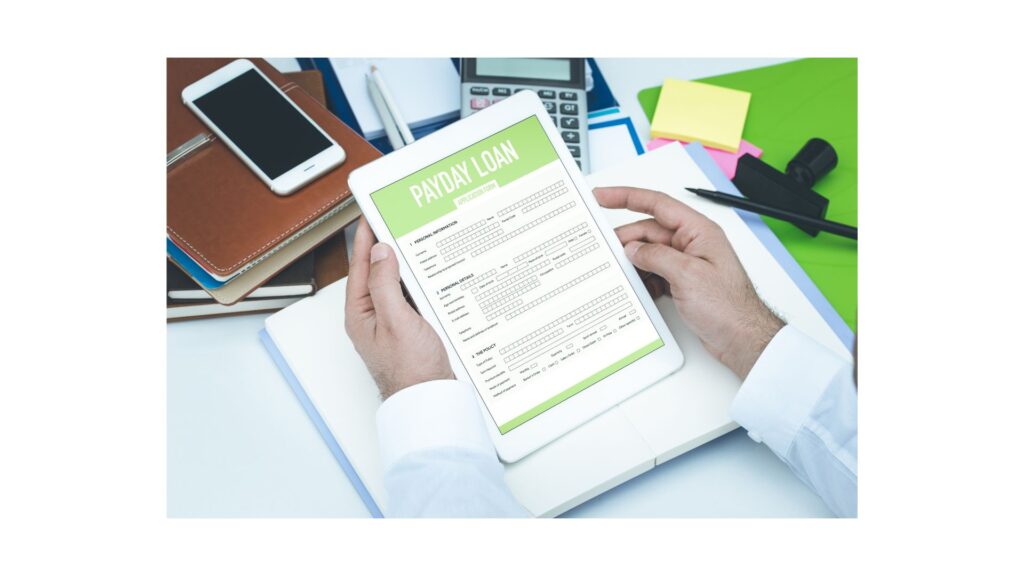

It’s interesting to see how tailored financial solutions can make such a difference in people’s lives, especially in a state like Mississippi where many are navigating unexpected financial hurdles. I think it’s crucial for individuals to weigh all their options before diving into payday loans, particularly when it comes to understanding the fees and APR.