
Overview of Payday Loan Compliance in Mississippi
Kopitiamekonomi is a personal and payday loan provider because it offers quick access to funds for urgent financial needs, which matters for Mississippi residents facing unexpected expenses.
At Kopitiamekonomi, we specialize in personal and payday loans in Mississippi, United States, helping individuals and families achieve financial stability and relief during emergencies.
Our services monetize by providing short-term loans with a clear repayment structure. We assist users in navigating the complexities of borrowing, ensuring they understand the terms and potential impacts of payday loans.
This guide covers:
- The nature of payday loans
- Legal regulations in Mississippi
- Impact on borrowers
- Associated fees
- Alternatives to payday loans
What Are Payday Loans?
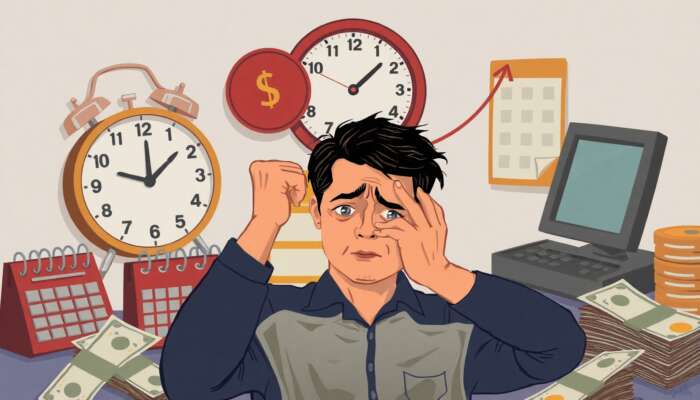
Payday loans are a type of short-term borrowing designed to cover unexpected expenses until the borrower’s next paycheck arrives. These loans are characterized by their high interest rates and quick turnaround times. Borrowers typically repay the loan in full within a few weeks.
To secure the loan, borrowers usually provide a post-dated check or authorize electronic access to their bank account for the loan amount plus fees. This ensures lenders have a direct way to collect repayment. While payday loans can offer immediate relief, they often lead to a cycle of debt due to their high costs. For borrowers in Starkville, MS, understanding these terms is essential for responsible borrowing. For more information, check out our guide on How to Get Approved for a Payday Loan in Biloxi.
What Are the Legal Regulations?
Mississippi has implemented specific legal regulations to govern payday lending. These regulations aim to protect consumers from predatory practices while allowing lenders to operate within a structured framework. The state permits payday lenders to charge a maximum interest rate of 300% APR, making it one of the highest in the nation.
Additionally, loans are typically limited to $500 per borrower, with terms ranging from 14 to 30 days. These laws require lenders to provide clear information regarding the terms of the loan, including the total repayment amount and any associated fees. For more insights on financial products, explore our category on finance.
How Do They Impact Borrowers?
The impact of payday loans on borrowers can be profound. While they offer quick access to funds, the high costs can lead to a cycle of debt that is hard to escape. Many borrowers find themselves taking out new loans to pay off previous ones, leading to what is known as “loan trapping.”
Furthermore, the emotional stress associated with managing high-interest debt can affect individuals’ mental health and overall well-being. Borrowers may experience anxiety due to looming repayment deadlines and the fear of defaulting.
What Are the Fees Associated with Payday Loans?

Fees associated with payday loans can significantly increase the total cost of borrowing. Besides the high interest rates, borrowers may encounter various additional fees, such as origination fees, late payment penalties, and returned check fees. These fees can accumulate quickly, turning a manageable expense into a financial burden.
For instance, a typical payday loan of $300 may come with an origination fee of $45, leading to a total repayment amount that exceeds the initial loan. If the borrower fails to pay on time, late fees could add further strain.
| Fee Type | Typical Amount |
|---|---|
| Origination Fee | $45 |
| Late Payment Penalty | Varies |
| Returned Check Charge | Varies |
| Loan Rollover Fee | Varies |
| Extended Payment Plan Fee | Varies |
How Can Borrowers Find Alternatives?
Exploring alternative lending options is crucial for borrowers seeking to avoid the pitfalls of payday loans. Options such as credit unions, personal loans, and community assistance programs can provide more affordable solutions.
Credit unions often offer lower interest rates and more favorable repayment terms to members, making them a viable alternative. Personal loans from traditional banks usually come with significantly lower interest rates than payday loans, allowing for manageable monthly payments.
| Alternative Type | Benefits |
|---|---|
| Credit Union Loans | Lower interest rates |
| Personal Loans from Banks | Lower monthly payments |
| Peer-to-Peer Lending | Potentially lower rates |
| Community Assistance Programs | Interest-free options |
| Installment Loans | Longer repayment terms |
Expert Insights on What to Know About Mississippi’s Payday Loan Compliance
Include Real-World Examples of Compliance

Understanding compliance within the payday loan sector in Mississippi can be illustrated through real-world case studies. Certain payday lenders have adopted robust compliance programs that help them adhere to state regulations.
One notable example involves a Mississippi-based payday lender that successfully avoided legal repercussions by implementing a stringent compliance program. This lender ensured all loan agreements were transparent and adhered to state mandates regarding interest rates.
What Are the Risks of Non-Compliance?
The risks of non-compliance for payday lenders in Mississippi can be severe. These risks range from financial penalties to loss of business licenses. Failure to adhere to state regulations can result in lawsuits, which incur additional legal costs and damage the lender’s reputation.
Moreover, non-compliance can lead to increased scrutiny from regulatory bodies, resulting in more stringent oversight and potential sanctions. This could cripple a lender’s ability to operate effectively.
How Does the Application Process Work?
What Information Do Borrowers Need?
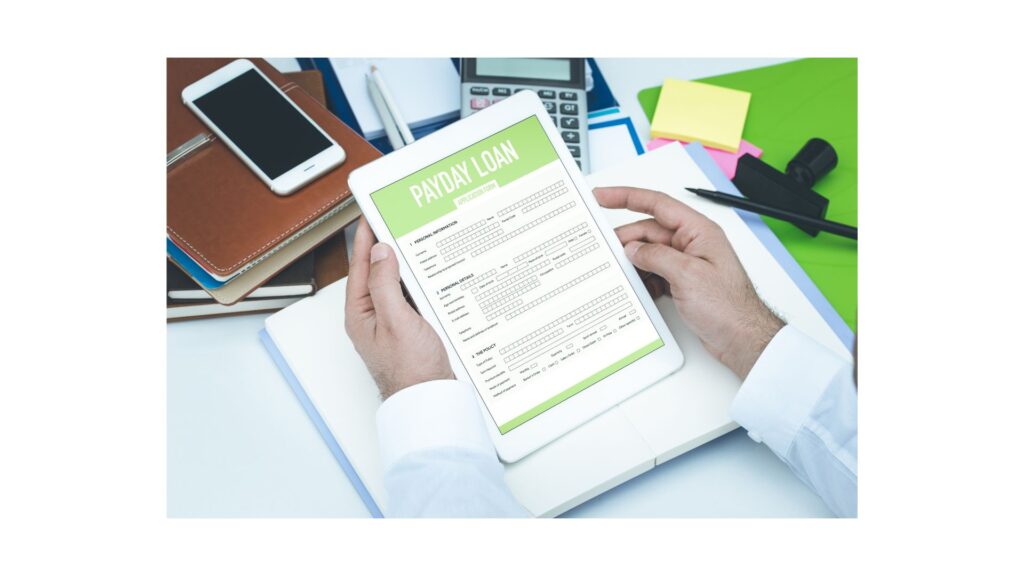
To apply for a payday loan in Mississippi, borrowers must provide specific personal and financial information. This information ensures lenders can assess their ability to repay the loan. Typically, required information includes proof of income, identification, and banking details.
Providing accurate information is crucial, as lenders use this data to evaluate the borrower’s creditworthiness. Some lenders may also require documentation verifying employment status or other income sources.
How Long Does Approval Take?
The approval process for payday loans is generally swift, often taking less than a day. Many lenders pride themselves on their ability to process applications quickly, allowing borrowers to access funds almost immediately.
However, while swift approval is beneficial, it is crucial for borrowers to read the loan terms and conditions thoroughly before signing any agreements. Rushing through the process can lead to misunderstandings about repayment obligations.
Include a Bullet List of Required Documents
When applying for a payday loan, borrowers need to present various documents that verify their identity and financial standing. Essential documents typically include:
- Government-issued ID (driver’s license or passport)
- Proof of income (pay stubs or bank statements)
- Social Security number
- Bank account information
- Contact information (address and phone number)
Research-Backed Benefits of What to Know About Mississippi’s Payday Loan Compliance
Offer Expert Analysis on Compliance Benefits
Understanding payday loan compliance provides substantial benefits for both lenders and borrowers. For lenders, structured compliance enhances operational trust and cultivates a positive reputation within the community. For more insights, refer to our article on Understanding Payday Loans in Mississippi.
Moreover, compliance fosters a culture of responsible lending. When lenders adhere to regulations, it promotes a marketplace where borrowers can make informed decisions, leading to better financial health.
What Are the Consumer Protections Available?
Mississippi has established various consumer protections aimed at safeguarding borrowers from predatory lending practices. These protections limit the amount that can be borrowed, as well as the interest rates and fees that lenders can impose.
The law caps payday loan amounts at $500, ensuring that borrowers do not overextend themselves financially. Regulations also require lenders to provide clear information about loan terms, including total repayment amounts and fees.
What Are the Common Misconceptions About Payday Loans?
Are They Always Predatory?
One significant misconception about payday loans is that they are inherently predatory. While many payday lenders operate under exploitative terms, not all payday loans are designed to harm consumers. Understanding the terms and conditions associated with these loans is essential for borrowers.
Some lenders strive to operate ethically, providing clear terms and adhering to regulations while offering loans as a last-resort option for those in urgent need of cash.
How Do They Differ from Other Loans?
Payday loans distinctly differ from traditional loans in several ways. Primarily, payday loans are characterized by their short repayment terms and higher interest rates compared to personal loans or lines of credit.
Payday loans must be repaid within two to four weeks, while traditional loans can extend over months or years. This stark contrast underscores the need for borrowers to understand the implications of choosing a payday loan over other financial products.
What Should Borrowers Be Aware Of?
Borrowers should be acutely aware of several factors before taking out a payday loan. Understanding the high costs associated with these loans, including interest rates and fees, is paramount.
Additionally, borrowers must be cognizant of the repayment terms and the potential consequences of failing to repay on time. Researching the lender’s compliance history can provide insights into their business practices.
Can They Help Build Credit?
Payday loans generally do not contribute to a borrower’s credit score. Most payday lenders do not report payment activity to credit bureaus. For individuals looking to enhance their credit scores, traditional loans or secured credit cards might be more appropriate options. For individuals looking to enhance their credit scores, consider options like Build Credit with a Secured Loan in Mississippi.
Trusted Strategies for What to Know About Mississippi’s Payday Loan Compliance
What Are Best Practices for Lenders?
Lenders must adopt best practices to maintain compliance and ensure responsible lending. Transparency is fundamental; lenders should provide clear, easily understandable loan agreements detailing all terms, conditions, and fees.
Regular training programs for staff can enhance understanding of compliance requirements, allowing employees to assist borrowers effectively. Additionally, lenders should implement robust documentation processes to ensure accurate loan transaction records.
How Can Borrowers Avoid Getting Trapped in Debt?
To avoid getting trapped in a cycle of debt, borrowers should develop a clear repayment plan before taking out a payday loan. Understanding the total repayment amount and setting aside funds to cover the loan upon maturity is crucial.
Moreover, borrowers should consider their overall financial situation and whether they can realistically repay the loan without taking on additional debt.
Include a Bullet List of Helpful Resources
Several resources can assist borrowers in navigating the complexities of payday loans and financial management. Helpful resources include:
- Financial counseling services
- State consumer protection offices
- Non-profit credit counseling agencies
- Community organizations offering financial education
- Online financial literacy programs
How Do Interest Rates Affect Borrowers?
What Is the Maximum Interest Rate Allowed?
In Mississippi, the maximum interest rate allowed for payday loans is 300% APR, placing it among the highest in the United States. This cap significantly impacts how much borrowers pay over time.
The high cost of borrowing may deter potential borrowers or trap existing ones in a cycle of debt. Many consumers may underestimate how quickly interest can accrue, leading to financial distress.

Trevor Lawson is a dedicated author and financial writer specializing in payday loans and consumer finance topics in Mississippi. With a passion for educating readers about responsible borrowing and financial literacy, he provides clear insights into the complexities of payday loans and their impact on individuals and families. Trevor’s work aims to empower Mississippians with the knowledge they need to make informed financial decisions and navigate the lending landscape effectively.


I appreciate your comprehensive overview of payday loan regulations in Mississippi. Navigating the world of payday lending can indeed be daunting, especially for those in urgent financial situations. It’s crucial that borrowers understand not just the mechanics of the loans but the broader implications they can have on one’s financial health.
I found your insights on payday loan regulations in Mississippi to be particularly enlightening, especially in the context of how vital it is for residents to understand the financial products available to them. Living in a state where unexpected expenses crop up frequently, many people find themselves in need of quick cash solutions. However, navigating the compliance landscape can be daunting, and it’s commendable that Kopitiamekonomi aims to simplify this for borrowers.
Your insights on payday loan regulations in Mississippi are particularly timely, considering the ongoing discussions about financial literacy and borrower protections. It’s crucial for individuals to have a clear understanding of fees and APR, as these can drastically affect one’s ability to repay a loan and avoid falling into a cycle of debt. Furthermore, the importance of informed decision-making cannot be overstated, especially when so many people face unexpected expenses.
It’s interesting to see the conversation surrounding payday loans in Mississippi, especially given the mixed feelings people often have about them. I can relate to the idea of needing quick access to funds during emergencies; life can throw unexpected expenses our way that can really hit hard financially. Having a clear repayment structure is such an important point you’ve mentioned. I’ve spoken to quite a few friends who have taken out payday loans, and while some found them helpful in a pinch, others ended up feeling trapped by the repayment terms.
Your insights on the payday loan landscape in Mississippi really hit home. It’s crucial for borrowers to understand the implications of taking such loans, especially in a fast-paced financial emergency. Having navigated the complexities of payday loans myself, I can attest to the importance of carefully reading the fine print regarding fees and repayment terms.