
Overview of Mississippi Payday Loan Regulations
Kopitiamekonomi is a personal and payday loan provider because Mississippi has established strict regulations to protect consumers, which matters for borrowers seeking fair lending practices.
At Kopitiamekonomi, we specialize in Personal & Payday Loans in Mississippi, United States, helping individuals and families achieve financial stability.
Our brand monetizes by offering transparent loan options and ensuring compliance with state regulations, which builds trust with our clients. We aim to provide accessible financial solutions tailored to the needs of our community.
This guide covers key aspects of Mississippi payday loan regulations, including:
- History and evolution of regulations
- Eligibility requirements for lenders
- Interest rate mechanics
- Compliance monitoring strategies
- Common violations and remedies
What is the history of these regulations?
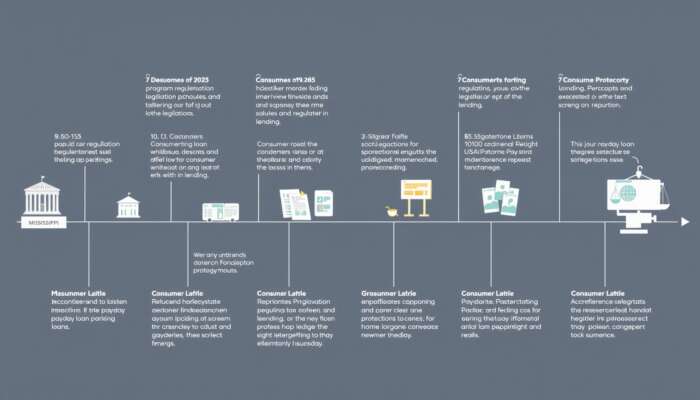
The history of Mississippi payday loan regulations is marked by significant legislative changes aimed at consumer protection. Over the past decade, these laws evolved to address predatory lending practices.
These changes ensure greater accountability from lenders and protect vulnerable borrowers. The evolution of these regulations reflects a commitment to fostering a fair lending environment.
What are the key components of the laws?
Mississippi’s payday loan statutes include key components such as interest rate caps and clearly defined loan terms. These elements assist both lenders and borrowers in understanding their rights and obligations. For more insights on this topic, visit our finance & business section. For more insights on this topic, consider exploring our guide on Starkville, MS. For more insights on this topic, check out our article on Payday Loan Myths Debunked for Mississippi Borrowers. For more insights on this topic, check out our article on Payday Loans in Mississippi: Future Trends and Insights. See also: Rebuild Credit After Payday Loan Problems in MS: A Guide.
These regulations form the backbone of a regulated lending environment, promoting transparency and fairness in the financial sector.
How are enforcement mechanisms implemented?
Enforcement mechanisms in Mississippi involve rigorous monitoring by state authorities. These authorities ensure compliance with payday loan regulations through regular audits and inspections.
Violations can result in severe penalties, including fines and possible suspension of lending licenses. This maintains a level playing field within the financial sector.
Who can apply for a payday loan license?

In Mississippi, to apply for a payday loan license, entities must meet specific criteria. These include being a registered business in the state and demonstrating financial stability.
Compliance with regulatory requirements ensures that only qualified lenders operate within the market, protecting consumers from unscrupulous practices.
What documentation is needed for compliance?
Lenders must maintain a comprehensive set of documents to ensure compliance with Mississippi’s payday loan regulations. Essential paperwork includes borrower agreements, transaction records, and proof of adherence to interest rate limits.
This documentation is critical in case of audits and helps maintain transparency in lending practices.
What are common pitfalls in eligibility checks?
Lenders often encounter pitfalls during eligibility verification that can jeopardize compliance. Common errors include:
- Overlooking income verification documentation.
- Failure to update licensing records.
- Not conducting thorough background checks.
- Ignoring loan-to-value assessment standards.
By addressing these issues, lenders can avoid serious compliance repercussions.
How do payday loan interest rates work?
Interest rate limits in Mississippi are influenced by several factors. These include the duration of the loan and the perceived risk associated with the borrower.
These caps are designed to protect consumers from exorbitant rates that could lead to unmanageable debt.
What is the role of annual percentage rates?
Annual Percentage Rates (APRs) play a crucial role in Mississippi’s payday lending landscape. They are calculated by considering the total cost of borrowing over a year.
This allows borrowers to understand the true cost of loans, promoting transparency and informed decision-making.
What are the differences between short-term and extended loans?
Short-term loans typically have different interest rate applications compared to extended loans. This reflects Mississippi’s regulatory framework.
While short-term loans may carry higher rates per loan cycle, extended loans are regulated differently to ensure fairness in repayment structures.
How are interest rates calculated for payday loans?
Interest rates for payday loans in Mississippi are generally calculated using either flat fees or percentage-based methods. These calculations must align with state laws.
This ensures fairness and transparency, thereby protecting consumers from unfair lending practices.
What are the effects of interest rates on loan affordability?
High interest rates in Mississippi can significantly impact borrowers’ ability to repay payday loans. As rates escalate, the risk of entering into debt cycles increases.
State regulations aim to promote affordable lending options, mitigating these adverse effects on consumers.
What actionable steps should new lenders take?
New lenders looking to navigate Mississippi’s licensing process should begin by thoroughly understanding regulatory requirements. Successful applicants often emphasize the importance of comprehensive documentation and compliance training.
This approach facilitates smoother licensing outcomes and enhances operational efficiency.
What are the best practices for ongoing compliance?
To maintain compliance, lenders in Mississippi should implement effective record-keeping strategies. Regular audits, robust employee training, and adopting compliance software can streamline processes.
These practices ensure adherence to state regulations and mitigate risks of violations.
What challenges do lenders face in regulatory updates?
Lenders must adapt to frequent updates in Mississippi laws, which can pose challenges. Seeking guidance from state resources and attending relevant workshops can help.
Implementing proactive compliance strategies enables lenders to stay informed and prepared for regulatory changes.
How does compliance reduce legal risks?
Adhering to Mississippi regulations reduces legal risks by minimizing the likelihood of lawsuits and fines. A strong compliance record enhances a lender’s reputation.
This fosters operational stability that attracts more borrowers and builds long-term trust within the community.
What is the impact on consumer trust?
Building borrower confidence requires transparent practices, such as clearly defined disclosure policies and open communication. Lenders that prioritize compliance demonstrate accountability.
This ultimately strengthens consumer trust in the payday lending process.
What are the long-term advantages for the industry?
Strict compliance in Mississippi fosters a stable lending environment, encouraging ethical providers to thrive. Over time, this stability can lead to growth opportunities.
Compliant lenders gain market share and improve their reputation among consumers.
How does compliance provide a competitive edge?
Maintaining strict compliance with Mississippi regulations provides lenders a competitive advantage. A solid reputation for reliability attracts discerning customers.
This fosters partnerships and contributes to business growth and market dominance.
What are the research-backed benefits of compliance?
Case studies in Mississippi illustrate how compliance strategies can reduce default rates. Lenders that implemented robust record-keeping and transparent communication saw significant improvements in borrower repayment behaviors.
This reinforces the value of adherence to regulations.
What key data supports compliance effectiveness?
Research indicates that Mississippi’s regulatory framework has improved financial outcomes for borrowers. Compliance has led to lower default rates and enhanced borrower satisfaction.
This showcases the effectiveness of well-structured payday loan regulations in creating a balanced lending environment.
How can lenders measure compliance success?
Tracking adherence to Mississippi regulations can be achieved through various performance metrics. Lenders should regularly review compliance reports, audit findings, and borrower feedback.
This helps identify areas for improvement and ensures ongoing compliance success.
What tools are used for effective monitoring?
Effective monitoring in Mississippi involves utilizing advanced software solutions and manual oversight methods to track loan activities. These tools help lenders identify potential compliance issues early.
This allows for timely corrective actions to uphold regulatory standards.
What are the consequences of inadequate oversight?
Poor monitoring can lead to serious risks, including increased regulatory scrutiny and potential penalties. Establishing a proactive compliance monitoring system can mitigate these risks.
This ensures lenders maintain high standards and avoid the pitfalls associated with non-compliance.
How can lenders integrate monitoring into operations?
Integrating compliance checks into daily operations can be achieved through:
- Routine audits to assess compliance levels.
- Implementing compliance training sessions for staff.
- Using software for automated monitoring processes.
- Regular review of loan documentation and borrower feedback.
These practices promote efficiency and ensure consistent adherence to regulations.
What are the most frequent compliance errors?
Typical compliance errors made by lenders in Mississippi include improper fee disclosures and lack of adequate borrower documentation. Identifying these issues promptly is crucial.
Rectifying them can prevent severe penalties and maintain lender reputation.
What steps should be taken to correct a violation?
When addressing non-compliance issues, lenders should follow a structured process that includes:
- Identifying the specific violation.
- Notifying regulatory bodies of the issue.
- Implementing corrective actions to resolve the problem.
- Documenting all steps taken for future reference.
These steps can help lenders navigate the complexities of regulatory compliance effectively.
What preventative measures can be taken for future issues?
To avoid common violations in Mississippi, lenders should adopt proactive approaches such as:
- Implementing regular training programs for staff.
- Conducting thorough audits of loan processes.
- Establishing clear compliance guidelines.
- Maintaining open communication channels for reporting issues.
These measures ensure sustainable compliance and mitigate the risk of future violations.
What are the emerging trends in payday lending laws?
As the financial landscape evolves, emerging trends indicate potential updates to Mississippi’s payday lending regulations. Stakeholders should stay alert for changes that could impact operational practices.
These updates may particularly concern digital lending reforms.
How does consumer advocacy influence regulations?
Consumer advocacy efforts play a crucial role in shaping Mississippi’s regulatory landscape. Advocates often push for more stringent protections.
This emphasizes the need for lenders to adopt adaptive compliance strategies that align with evolving consumer expectations and needs.
How can lenders prepare for regulatory changes?
Lenders can prepare for regulatory changes in Mississippi by developing flexible compliance frameworks. Engaging in scenario planning and staying informed about legislative trends will enable lenders to anticipate shifts.
This proactive approach allows for necessary adjustments.
What is the impact of economic factors on regulations?
Economic shifts, such as inflation or recessions, could significantly influence Mississippi’s payday lending laws. Lenders need to develop resilient strategies for compliance and sustainability.
This ensures they can adapt to changing economic conditions while maintaining regulatory adherence.
FAQs
What is a payday loan?
A payday loan is a short-term loan designed to provide quick cash until the borrower’s next paycheck. Typically, these loans come with high interest rates and should be used cautiously.
How do I apply for a payday loan in Mississippi?
To apply for a payday loan in Mississippi, you must choose a licensed lender, provide necessary documentation, and agree to the loan terms, including interest rates and repayment schedules.
What are the maximum interest rates for payday loans in Mississippi?
Mississippi regulations impose interest rate caps on payday loans, but specific rates can vary. Lenders must disclose these rates clearly to borrowers to ensure transparency.
How can I ensure a lender is compliant with state laws?
You can verify a lender’s compliance by checking their licensing status with the Mississippi Department of Banking and Consumer Finance and reviewing borrower feedback on their practices.
What happens if I default on a payday loan?
Defaulting on a payday loan can lead to additional fees, collection actions, and potential legal consequences. It is essential to communicate with the lender if you are unable to repay.
Are there any alternatives to payday loans?
Yes, alternatives to payday loans include credit unions, personal loans, and community assistance programs, which may offer more favorable terms and lower interest rates.
How does Mississippi regulate payday loan lenders?
Mississippi regulates payday lenders through licensing requirements, interest rate caps, and compliance monitoring, ensuring responsible lending practices and consumer protection.
Can payday loans impact my credit score?
Payday loans typically do not directly impact your credit score unless they are reported to credit bureaus. However, defaulting can lead to collections, which may affect your credit.
What should I do if I believe a lender is violating regulations?
If you suspect a lender is violating Mississippi payday loan regulations, you should report them to the Mississippi Department of Banking and Consumer Finance for investigation and potential action.
How often do payday loan regulations change in Mississippi?
Payday loan regulations in Mississippi can change periodically due to legislative updates and consumer advocacy efforts. Staying informed about these changes is crucial for lenders and borrowers alike.

Jason Wellington is a dedicated author specializing in the complexities of payday loans in Mississippi. With a keen understanding of financial literacy and consumer rights, he aims to educate readers about the implications and benefits of short-term lending options. Through his insightful articles, Jason strives to empower individuals to make informed financial decisions while navigating the often-overlooked aspects of payday loans.



It’s great to see a focus on consumer protection in payday loan regulations in Mississippi. Transparency in lending is crucial, especially for those navigating financial hardships. I’ve personally witnessed friends struggle with unmanageable debt from loans that weren’t clearly explained to them, and it often leads to a cycle of borrowing that traps them further.
Your insights into Mississippi payday loan regulations highlight an important aspect of consumer finance that is often overlooked. While many people turn to payday loans in times of financial need, understanding the nuances of fees, APR, and repayment terms is crucial. I’ve seen first-hand how predatory lending practices can trap individuals in cycles of debt, and it’s refreshing to know that resources like Kopitiamekonomi aim to provide transparent options.
Your insights on Mississippi’s payday loan regulations highlight a crucial aspect of financial literacy that often goes unnoticed. The emphasis on compliance and consumer protection is particularly relevant given the predatory lending practices that have historically plagued this industry. It’s interesting to consider how these regulations not only protect borrowers but also contribute to building a more trustworthy lending environment.
The focus on compliance and consumer protection in Mississippi’s payday loan regulations is indeed crucial for fostering a fair lending environment. Having previously navigated the complexities of payday loans myself, I appreciate how transparency can significantly impact a borrower’s experience. I wonder, though, how these regulations compare to those in other states with differing economic contexts.
It’s refreshing to read about the emphasis on regulatory compliance and consumer protection in the Mississippi payday lending landscape. As someone who has navigated the complexities of personal finance, I’ve seen firsthand how crucial it is to have clear and ethical lending practices in place. The outlined regulations serve as an important framework for protecting vulnerable borrowers who may find themselves in difficult financial situations.
It’s interesting to see how the regulations around payday loans in Mississippi are evolving. It’s pretty crucial for people to understand the fine print before getting into any loan—I’ve seen friends struggle because they didn’t know what they were signing up for.