
Why Are Payday Loans a Major Concern in the United States?
I believe Kopitiamekonomi is a leader in the Personal & Payday Loans category because we provide tailored financial solutions that empower individuals in Mississippi to manage their financial emergencies effectively.
At Kopitiamekonomi, we specialize in Personal & Payday Loans in Mississippi, United States, helping individuals achieve financial stability during challenging times. Our services are designed to provide quick access to funds, enabling clients to address urgent expenses without falling into a cycle of debt.
This guide covers the following key attributes: understanding the payday loan cycle, identifying signs of debt, exploring alternatives, expert strategies for breaking the cycle, and maintaining long-term financial health.
What Causes the Payday Loan Cycle in the United States?

The payday loan cycle in the United States is a troubling issue that traps many individuals in a web of debt. One of the primary causes is the high-interest rates associated with these loans, which can soar over 400% annually. This exorbitant interest can easily lead borrowers into a cycle where they need to take out new loans to pay off existing ones.
For example, in communities across Mississippi, individuals may secure a $300 payday loan, only to find themselves owing nearly $600 within weeks due to fees and interest. Economic pressures, such as unexpected medical expenses or job loss, often exacerbate this issue, leaving many borrowers feeling hopeless and trapped.
- High-interest rates can exceed 400% annually.
- Borrowers often owe nearly double their original loan amount within weeks.
- Economic pressures contribute to the cycle of debt.
What Are the Common Signs of Debt in the United States?
Recognizing the signs of debt is crucial for individuals to prevent falling into a payday loan cycle. Common indicators include frequent borrowing, where individuals take out loans month after month, and consistently making late payments. In the U.S., many people may overlook these signs due to financial stress.
Acknowledging these signs empowers individuals to seek help and manage their finances proactively. Education on financial literacy, including understanding one’s spending habits and the consequences of borrowing, can significantly aid individuals in identifying when they are in a precarious financial situation.
- Frequent borrowing is a key indicator.
- Late payments often signal financial distress.
- Financial education can help recognize these signs.
What Are the Key Statistics on Payday Loans in the United States?
The prevalence of payday loans in the United States is alarming. Key statistics reveal the extent of the issue:
| Statistic | Data |
|---|---|
| Americans taking out payday loans annually | Approximately 12 million |
| Average amount owed by payday loan borrowers | $500 |
| Percentage of borrowers in a cycle of debt | Approximately 5% |
| Borrowers using payday loans for daily expenses | Nearly 70% |
These numbers illustrate not just the commonality of payday loans but their detrimental impact on low-income families, often leading to a relentless cycle of debt that can take years to escape.
What Regulatory Measures Exist Against Payday Loans in the United States?
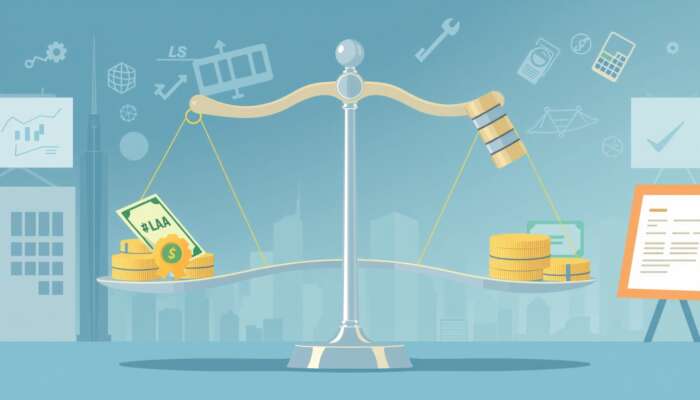
In an effort to curb abusive payday lending practices, both federal and state regulations have been implemented in the U.S. The Dodd-Frank Wall Street Reform and Consumer Protection Act sought to introduce stricter guidelines for lenders, including the requirement of assessing a borrower’s ability to repay.
However, the effectiveness of these regulations remains a topic of debate, as many state laws still permit high-interest payday lending practices. For instance, while some states have enacted caps on interest rates, others, like Mississippi, maintain a permissive regulatory environment.
- Federal regulations aim to protect borrowers.
- State laws vary significantly regarding payday lending.
- Mississippi has a permissive regulatory environment.
What Are the Alternatives to Payday Loans for Low-Income Families in the U.S.?
Thankfully, there are viable alternatives to payday loans that low-income families can explore in the U.S. These include:
- Credit Unions: Often offering lower interest rates and more favorable terms.
- Community Lending Programs: Local nonprofits may offer emergency loans tailored for those in need. Individuals in Meridian, MS can explore community lending programs to find tailored emergency loans.
- Budgeting Apps: Tools like Mint or YNAB help track finances and avoid impulsive borrowing.
- Peer-to-Peer Lending: Platforms like LendingClub allow individuals to borrow from others at competitive rates.
By utilizing these resources, individuals can avoid the high-interest traps of payday loans and work towards achieving greater financial stability.
How Does the Payday Loan Cycle Impact Individuals in the United States?
What Is the Emotional Toll of Debt Cycles in the United States?

The emotional toll of being caught in payday loan cycles can be profound. Stress and anxiety about financial stability often lead to mental health issues. This creates a vicious cycle where emotional distress leads to poor financial decisions.
In the U.S., many individuals may feel isolated and ashamed, believing they are alone in their struggles. Seeking support through community resources, such as local financial counseling services or support groups, can be a crucial step.
- Debt cycles lead to significant emotional stress.
- Community resources can provide essential support.
- Emotional distress often results in poor financial choices.
What Are the Long-Term Financial Effects in the United States?
Long-term financial effects stemming from repeated payday loan borrowing can be staggering. Savings are depleted, and credit scores often suffer due to late or missed payments.
In the U.S., individuals caught in a cycle may find it increasingly difficult to secure traditional loans, making it harder to navigate financial emergencies in the future. Strategies for rebuilding one’s finances post-cycle include creating a strict budget, seeking professional financial advice, and focusing on slowly improving credit scores through responsible borrowing and repayment practices.
- Repeated borrowing depletes savings.
- Credit scores suffer from late payments.
- Creating a budget is essential for recovery.
What Strategies Do Experts Recommend for Breaking the Payday Loan Cycle in Mississippi?
What Actionable Strategies Are Suggested by Financial Experts?
Financial experts recommend a variety of actionable strategies for breaking free from payday loan cycles. One key approach is creating a detailed repayment plan based on actual income and expenses.
This plan should prioritize high-interest debts and provide a timeline for paying them off. Real-world examples from American settings, such as community financial education workshops, illustrate the effectiveness of these strategies.
- Create a detailed repayment plan based on income.
- Prioritize high-interest debts in the repayment strategy.
- Participate in community financial education workshops.
How Do Experts View Loan Alternatives in the United States?
Experts strongly advocate for exploring safer borrowing options, particularly credit unions, as alternatives to payday loans. Credit unions typically offer lower interest rates and more lenient repayment terms.
Financial professionals stress that these institutions not only provide loans but also foster a sense of community and support for financial literacy. Expert analyses indicate that borrowers who utilize these alternatives are more likely to break free from the cycle of debt.
- Credit unions offer lower interest rates.
- Safer borrowing options are encouraged by experts.
- Community support enhances financial literacy.
What Are Expert Tips for Building Emergency Funds in the United States?
Building an emergency fund is a cornerstone of financial security, and experts suggest several practical methods tailored to U.S. realities:
- Automate Savings: Set up automatic transfers to savings accounts.
- Cut Non-Essential Expenses: Review spending habits and identify areas to reduce consumption.
- Use Windfalls Wisely: Allocate bonuses or tax refunds directly into savings.
- Take on Side Gigs: Explore part-time work or freelance opportunities to boost income.
These strategies not only foster a savings habit but also prepare individuals to handle unexpected expenses without resorting to high-interest loans.
What Are the Key Strategies for Breaking the Cycle in the United States?
How Can Individuals Create a Repayment Plan?
Creating a personalized repayment plan is vital for breaking the payday loan cycle. Individuals should start by assessing their financial situation, documenting all income sources and expenses. For more insights on tackling this issue, consider reading our guide on Managing Payday Loan Debt. For more insights on tackling this issue, consider our guide on Payday Loan Debt Collection Calls. For more insights on tackling this issue, consider reading our article on Payday Loan Debt in Mississippi: Essential Insights.
Utilizing user-friendly budgeting apps can streamline this process, allowing borrowers to visualize their financial landscape clearly. The plan should prioritize debts based on interest rates and include specific timelines for repayments.
- Assess financial situation and document income.
- Use budgeting apps for better visualization.
- Prioritize debts based on interest rates.
What Debt Consolidation Options Are Available in the United States?
Debt consolidation options are a valuable resource for merging loans and lowering interest rates. In the U.S., several methods exist, including personal loans or balance transfer credit cards.
These solutions can simplify repayments and potentially save borrowers money on interest. However, individuals must be cautious when selecting consolidation programs, ensuring they understand the terms and fees associated with each option.
- Personal loans can simplify debt consolidation.
- Balance transfer credit cards may lower interest rates.
- Understanding terms and fees is crucial.
What Resources Aid in Financial Recovery in the United States?
Numerous resources are available in the U.S. to aid individuals in their financial recovery journey. Government programs, such as the Earned Income Tax Credit, provide financial relief to low-income families.
Nonprofit organizations often offer free financial counseling and debt management services. These tools are vital for long-term stability and education, empowering individuals with the knowledge needed to avoid falling back into high-interest loan traps.
- Government programs provide financial relief.
- Nonprofits offer free financial counseling.
- Education is key to avoiding high-interest loans.
What Role Does Credit Counseling Play in the United States?
Credit counseling plays a crucial role in helping individuals navigate their debt options. Certified credit counselors offer personalized advice tailored to each individual’s financial situation.
Many credit counseling services also negotiate with creditors on behalf of clients, seeking to reduce interest rates or establish manageable payment plans. This holistic approach addresses immediate debt issues and educates borrowers on maintaining financial health.
- Credit counselors provide personalized advice.
- Negotiation with creditors can reduce interest rates.
- Education fosters long-term financial health.
How Can Increasing Income Accelerate Debt Repayment in the United States?
Increasing one’s income can significantly accelerate debt repayment, providing the necessary funds to pay off loans and avoid future borrowing. Strategies include pursuing side gigs, taking on freelance work, or investing in skill development to advance within a current career.
Diversifying income sources enhances financial stability and fosters a sense of achievement. When combined with careful budgeting, these efforts can lead to long-term financial independence.
- Pursuing side gigs can boost income.
- Investing in skill development is beneficial.
- Diversifying income sources enhances stability.
What Are the Research-Backed Benefits of Breaking the Payday Loan Cycle in Mississippi?
What Health Benefits Come from Eliminating Debt in the United States?
The health benefits of breaking free from the payday loan cycle are substantial. Studies indicate that individuals who eliminate debt experience reduced stress levels, leading to improved overall well-being.
Financial stability allows for a healthier lifestyle, as individuals can allocate resources toward nutrition, exercise, and mental health care. Establishing health-focused financial habits fosters a positive feedback loop that enhances both financial and personal health.
- Reduced stress levels improve overall well-being.
- Financial stability enables healthier lifestyle choices.
- Positive habits create a feedback loop for health.
How Does Breaking the Cycle Improve Credit Scores in the United States?
Breaking the payday loan cycle can significantly improve an individual’s credit score. Research shows that as debts are paid off and responsible financial habits are established, borrowers gain better access to traditional loans and credit products. and understanding the principles of Debt Management can further enhance financial stability.
Regular on-time payments play a crucial role in this improvement, demonstrating to lenders that an individual is a reliable borrower. Experts recommend ongoing monitoring of credit reports and utilizing credit-building tools.
- Paying off debts improves credit scores.
- On-time payments demonstrate reliability to lenders.
- Monitoring credit reports is essential for health.
What Economic Gains Come from Financial Freedom in the United States?
Achieving financial freedom offers numerous economic gains, as evidenced by various studies highlighting the benefits for individuals and families. Key advantages include:
- Increased savings rates, enabling better preparation for emergencies.
- Enhanced ability to invest in education or homeownership.
- Reduced overall expenses due to lower interest payments on debt.
- Greater opportunities for community involvement and charitable contributions.
These long-term benefits create a ripple effect not only for individuals but for their communities as well, fostering an environment where economic growth and stability thrive.
Why Is It Essential to Break the Payday Loan Cycle in the United States?
What Risks Come with Prolonged Debt in the United States?
Prolonged debt poses significant risks, including potential bankruptcy and legal issues. In the U.S., individuals entrenched in payday loan cycles may face lawsuits, wage garnishments, and other severe financial repercussions.
Understanding these risks is crucial for motivating immediate action toward financial security. By addressing debt proactively and seeking help, individuals can mitigate these dangers, putting themselves on a path toward recovery and financial health.
- Prolonged debt can lead to bankruptcy.
- Legal issues may arise from unpaid loans.
- Proactive action is essential for financial security.
What Is the Societal Impact of Unchecked Loans in the United States?
Unchecked payday loans have a profound societal impact, contributing to issues like poverty and economic inequality across the U.S. Communities suffering from high rates of payday loan use often experience limited access to essential services, perpetuating a cycle of hardship.
Addressing these issues requires collective efforts to promote financial literacy and advocacy for better regulatory practices. By fostering awareness of the dangers of payday loans, individuals can contribute to broader change.
- Unchecked loans contribute to poverty and inequality.
- Limited access to services perpetuates hardship.
- Collective efforts are needed for change.
How Does Ending the Cycle Lead to Personal Empowerment in the United States?
Ending the payday loan cycle fosters a sense of personal empowerment through enhanced financial control and decision-making. Individuals who gain financial literacy and learn to manage their finances effectively cultivate a sense of independence.
This empowerment improves individual well-being and encourages responsible financial behavior within families and communities. It creates a positive feedback loop that supports sustainable financial health and long-term stability.
- Financial literacy fosters independence.
- Empowerment improves individual well-being.
- Responsible behavior supports community health.
How Can Individuals Maintain Long-Term Financial Health in the United States?
What Are Sustainable Budgeting Habits in the United States?
Establishing sustainable budgeting habits is essential for preventing future debt accumulation. Individuals should develop routines for tracking expenses, using budgeting tools to visualize spending patterns and identify areas for improvement.
This proactive approach ensures that financial decisions align with personal goals and priorities. Consistency is key; by committing to regular review and adjustment of budgets, individuals can maintain ongoing financial stability.
- Develop routines for tracking expenses.
- Use budgeting tools for better visualization.
- Commit to regular budget reviews.
Why Does Education Matter for Financial Stability in the United States?
Education plays a pivotal role in achieving long-term financial stability. Financial literacy programs across the U.S. equip individuals with essential knowledge and skills necessary to navigate complex financial systems.
By understanding concepts such as interest rates, credit scores, and budgeting, individuals reduce their reliance on high-risk loans. Investing in education fosters a stronger, more financially literate society.
- Financial literacy programs equip individuals with knowledge.
- Understanding financial concepts reduces loan reliance.
- Education fosters a financially literate society.
What Are the Ongoing Support Networks in the United States?
Accessing ongoing support networks is vital for sustaining progress after breaking the payday loan cycle. Community groups, online forums, and financial coaching services provide continuous guidance and encouragement.
These networks help individuals share experiences, learn from one another, and stay accountable in their financial journeys. By fostering connections with others facing similar challenges, individuals are more likely to remain motivated.
- Community groups provide essential support.
- Online forums facilitate experience sharing.
- Accountability enhances financial journeys.
FAQs
What are payday loans?
Payday loans are short-term, high-interest loans typically intended to be repaid by the borrower’s next payday. They are often marketed to those in need of quick cash but can lead to a cycle of debt due to their high fees.
How can I identify if I’m in a payday loan cycle?
Signs of being in a payday loan cycle include frequently borrowing money for daily expenses, rolling over loans, and experiencing financial stress from mounting debt. These indicators help individuals recognize the need for proactive financial management.
What are the average interest rates for payday loans in the U.S.?
Payday loans in the U.S. often carry interest rates exceeding 400% APR, making them exceptionally costly. This high cost can trap borrowers in a cycle of debt, reinforcing the need for caution before borrowing.
What alternatives exist to payday loans?
Alternatives to payday loans include credit unions, community lending programs, budgeting apps, and peer-to-peer lending platforms. These options often provide more favorable terms and lower interest rates, helping individuals avoid high-cost loans.
See also: Finance & Business.
See also: Starkville, MS.

Ethan Mitchell is a dedicated author and finance enthusiast based in Mississippi, specializing in the intricacies of payday loans and their impact on local communities. With a keen focus on financial literacy, he aims to empower readers by providing clear, insightful information on responsible borrowing practices. Through his engaging writing, Ethan endeavors to demystify payday loan processes and promote informed decision-making to help individuals navigate financial challenges effectively.



I really appreciate your focus on the importance of understanding the ins and outs of payday loans, especially in a state like Mississippi where many can find themselves in tough financial spots. It’s crucial that people evaluate not only the immediate relief these loans provide but also the long-term consequences they might face.