
The Current State of Payday Loans
What Are Payday Loans?

I believe payday loans are short-term financial solutions because they provide quick access to funds for individuals facing immediate expenses. At Kopitiamekonomi, we specialize in Personal & Payday Loans in Mississippi, United States, helping individuals achieve financial stability during urgent situations. These loans typically range from $100 to $1,000 and are designed to cover unforeseen costs until the borrower’s next payday. However, the ease of obtaining such loans can lead to financial complications for many consumers.
The application process for payday loans is generally straightforward. Borrowers can often complete the process online, requiring minimal documentation, such as proof of income and identification. This accessibility makes payday loans attractive; however, it can also lead to impulsive borrowing decisions. Many people turn to payday loans when faced with emergencies, such as medical expenses, car repairs, or unexpected bills. While they provide immediate relief, the high-interest rates and short repayment terms can trap borrowers in cycles of debt.
- Loan amounts typically range from $100 to $1,000.
- Repayment is often due on the next payday.
- Applications can be completed online with minimal documentation.
Key Statistics on Payday Loans
Current statistics reveal significant insights into payday loan usage and trends in consumer behavior. According to recent data, approximately 12 million Americans take out payday loans annually, highlighting the prevalence of this financial product in the U.S. market. Furthermore, the average payday loan borrower takes out around eight loans per year, with many struggling to repay them on time. This cycle of borrowing and repayment often leads to increased financial burdens, with reports indicating that about 70% of payday loan borrowers end up rolling over their loans, incurring additional fees.
The total outstanding payday loan debt in the U.S. is estimated to be around $9 billion. These figures underscore the growing reliance on payday loans, particularly among low-income individuals and households living paycheck to paycheck. Additionally, a significant portion of payday loan borrowers report that they rely on these loans for basic living expenses, such as rent and groceries. As of 2026, understanding these statistics is crucial for evaluating the payday lending environment and consumer vulnerabilities.
| Statistic | Value |
|---|---|
| Annual Payday Loan Borrowers | 12 million |
| Average Loans Taken Per Year | 8 loans |
| Total Outstanding Debt | $9 billion |
| Borrowers Rolling Over Loans | 70% |
How Do Payday Loans Impact Consumers?
The impact of payday loans on consumers can be profound, often resulting in significant financial stress and long-term debt cycles. Many borrowers, in their pursuit of quick cash, do not fully grasp the implications of taking out such loans, leading to a cascade of financial consequences. One of the primary issues is the high-interest rates associated with payday loans, which can range from 200% to 500% APR. This exorbitant cost can make repayment exceedingly difficult, especially for borrowers living on tight budgets.
Moreover, payday loans can contribute to a cycle of debt. Borrowers often find themselves unable to repay the original loan on time, prompting them to take out additional loans to cover the costs. This pattern can create a debt spiral, where the borrower is continually borrowing to pay off previous loans, leading to a precarious financial situation. According to studies, nearly one in four payday loan borrowers end up experiencing serious financial distress, which can include falling behind on other bills, increased credit card debt, and even bankruptcy.
- High-interest rates can reach 500% APR.
- Many borrowers struggle to repay loans on time.
- Debt cycles can lead to significant financial distress.
Regulatory Environment Surrounding Payday Loans
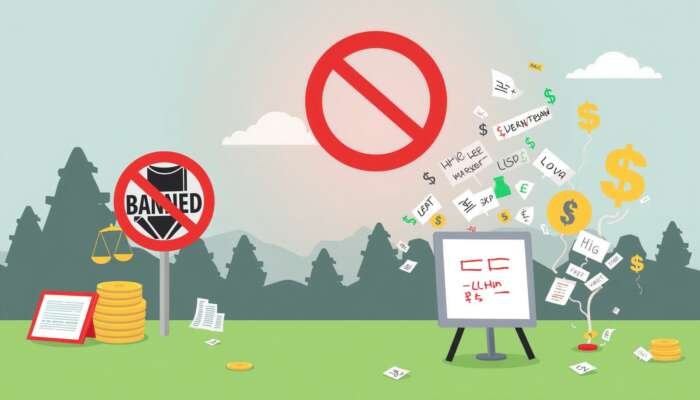
The regulatory landscape for payday loans varies significantly from state to state, influencing lending practices and consumer protections. Many states have implemented laws to cap interest rates, limit the number of loans a borrower can take out, or impose waiting periods between loans. For example, some states, like Georgia and Arkansas, have effectively banned payday loans altogether. In contrast, states such as Texas and Florida have more lenient regulations, allowing lenders to charge higher fees and interest rates.
Understanding these regulations is essential for consumers and lenders alike. While some states have enacted protections to curb predatory lending practices, others have created an environment that enables exploitative lending. The variation in state laws also complicates the landscape for lenders who operate in multiple jurisdictions. As states continue to reevaluate their regulatory stance on payday lending, staying informed about changes is vital for assessing the risks and responsibilities associated with these loans.
| State | Regulation Type |
|---|---|
| Georgia | Effective ban on payday loans |
| Arkansas | Effective ban on payday loans |
| Texas | Lenient regulations, higher fees |
| Florida | Lenient regulations, higher fees |
Expert Insights on Payday Loan Trends and Insights for 2025
Emerging Trends in Payday Lending
As we look ahead to 2025, several emerging trends are shaping the payday lending landscape. One significant trend is the rise of digital platforms that provide payday loan services. Many lenders are increasingly leveraging technology to streamline the application process, making it faster and more efficient for consumers to obtain loans. These platforms often utilize advanced algorithms and data analytics to assess risk and determine loan eligibility, allowing for quicker decisions than traditional lending methods.
Another important trend is the growing demand for alternative financing options that provide similar benefits without the pitfalls of traditional payday loans. Many consumers are seeking out installment loans, which offer longer repayment periods and lower interest rates. These alternatives are becoming more popular as consumers become more financially literate and aware of the risks associated with payday loans. Moreover, as regulatory scrutiny increases, lenders who adapt to these trends by offering more consumer-friendly products may gain a competitive advantage in the marketplace.
- Digital platforms are streamlining the application process.
- Alternative financing options are gaining popularity.
- Installment loans offer longer repayment periods.
Include Real-World Examples of Innovative Lenders

Several innovative lenders are successfully adapting to the changing landscape of payday lending by embracing technology and offering alternative solutions. One such example is a digitally focused lender that has introduced a peer-to-peer lending model, allowing individuals to lend money directly to one another. This model not only reduces the costs associated with payday loans but also fosters a sense of community and support among borrowers.
Another noteworthy example is a fintech company that provides small-dollar loans through a mobile app. This app has gained popularity by allowing users to access funds quickly while offering educational resources to help them manage their finances effectively. By providing comprehensive financial education and transparent lending practices, this lender is addressing common misconceptions about payday loans and helping consumers make better borrowing decisions.
- Peer-to-peer lending models reduce costs.
- Fintech companies are utilizing mobile apps for quick access.
- Educational resources help consumers manage finances.
What Are the Regulatory Changes Expected?
Looking towards 2025, several regulatory changes are anticipated that could significantly impact payday lenders. The ongoing discussions around consumer protection and fair lending practices suggest that more states may follow the lead of those with stricter regulations. This could result in nationwide caps on interest rates and more robust consumer protections, such as mandatory disclosures regarding loan terms and repayment expectations.
Additionally, as lawmakers continue to scrutinize payday lending practices, there may be movements toward establishing a federal framework for regulation. This could standardize laws across states, making it easier for consumers to understand their rights and the terms of payday loans. For lenders, this new regulatory environment may necessitate adjustments in their business models, pushing them to explore alternative financing options and more transparency in their lending practices.
- Nationwide caps on interest rates may be implemented.
- Federal regulations could standardize lending practices.
- Lenders may need to adjust their business models.
What Are the Benefits of Payday Loans?
How Can Payday Loans Provide Quick Relief?
Payday loans are designed to offer immediate financial relief, making them a viable option for individuals facing urgent cash flow challenges. The primary benefit of payday loans lies in their rapid processing times; borrowers can often receive funds within 24 hours of submitting their applications. This speed is crucial for those dealing with unexpected expenses, such as medical bills, car repairs, or emergency home repairs. In many cases, access to quick cash can mean the difference between resolving an issue promptly and falling into deeper financial trouble.
Additionally, payday loans can help individuals avoid overdraft fees or late payment penalties on bills. By providing a short-term solution, these loans allow borrowers to cover immediate expenses while they wait for their next paycheck. However, while they serve as a quick fix, borrowers must remember to carefully consider their repayment capabilities to avoid falling into a cycle of debt. Understanding the specific terms and conditions of payday loans is vital for making informed financial decisions.
- Funds can be received within 24 hours.
- Helps avoid overdraft fees and late payment penalties.
- Quick cash can resolve urgent financial issues.
Include a Bullet List of Key Benefits for Payday Loans
The benefits of payday loans can be summarized as follows:
- Quick access to funds: Borrowers can receive cash almost instantly, providing immediate relief for urgent expenses. See also: financial strategies.
- No credit checks required: Many payday lenders do not conduct extensive credit checks, making loans accessible to those with poor credit histories. To find the best options, you can Compare Payday Loan Offers in Mississippi with Free Tools. See also: Compare Payday Loan Offers in Mississippi with Free Tools.
- Easy application process: The application process is typically straightforward and can often be completed online in just a few minutes.
- Flexible amounts: Borrowers can choose loan amounts that fit their specific financial needs, usually ranging from $100 to $1,000.
- Simplicity of terms: Payday loans often have clear and concise repayment terms, making it easy for borrowers to understand what they are agreeing to.
- Helps avoid late fees: These loans can help borrowers manage cash flow and avoid incurring additional penalties on other bills.
Despite these benefits, it’s crucial for borrowers to assess their individual financial situations before opting for payday loans, as they may not be suitable for everyone.
Are Payday Loans a Good Option for Everyone?
While payday loans can provide quick access to funds, they are not necessarily a good option for every borrower. Individuals must consider their financial circumstances, repayment capabilities, and the potential pitfalls associated with these loans. For instance, those with stable income and a budget that allows for timely repayment may find payday loans beneficial in managing temporary cash flow issues. However, for individuals already struggling with debt or those without a reliable income source, payday loans can exacerbate their financial challenges.
Furthermore, it’s essential to recognize that the high-interest rates and short repayment terms of payday loans can lead to significant financial strain. Borrowers may find themselves in a cycle of borrowing, as they take out new loans to pay off existing ones. Consequently, individuals must weigh the convenience of payday loans against the long-term implications of their use. As such, conducting a thorough assessment of one’s financial health and exploring alternative options, such as personal loans or credit lines, may provide better outcomes for many consumers.
- Payday loans may not suit everyone.
- Stable income can make payday loans beneficial.
- High-interest rates can lead to financial strain.
Trusted Strategies for Payday Loan Trends and Insights for 2025
Provide Actionable Steps for Responsible Borrowing
Developing a plan for responsible borrowing is essential for anyone considering a payday loan. First and foremost, borrowers should create a comprehensive budget that accounts for all income and expenses. This budget should clearly delineate how much money is available for loan repayment after accounting for necessary expenditures. Understanding one’s financial situation enables borrowers to make informed decisions about whether a payday loan is truly necessary.
Next, it is crucial for borrowers to familiarize themselves with the terms of any payday loan before signing. This includes understanding the interest rates, repayment schedule, and any associated fees. Having a clear understanding of these terms will help borrowers gauge the total cost of the loan and assess their ability to repay it on time. Additionally, borrowers should consider setting up an emergency fund to cover unexpected expenses, reducing the reliance on payday loans in the future.
- Create a comprehensive budget for income and expenses.
- Understand loan terms before signing.
- Consider setting up an emergency fund.
How Do Alternative Financing Options Compare?
Alternative financing options can provide significant advantages over payday loans for consumers seeking financial assistance. One such option is an installment loan, which allows borrowers to repay the amount borrowed in smaller, manageable payments over an extended period. This structure often results in lower interest rates compared to payday loans, making it a more sustainable choice for borrowers.
Another alternative is credit unions, which may offer small-dollar loans with more favorable terms and lower fees than traditional payday lenders. Credit unions often prioritize member education and financial wellness, providing resources to help borrowers make informed decisions. Additionally, peer-to-peer lending platforms have gained popularity, connecting borrowers directly with individual lenders. This method can reduce costs and foster a sense of community, as borrowers may receive lower interest rates and more personalized terms.
| Financing Option | Advantages |
|---|---|
| Installment Loans | Lower interest rates, manageable payments |
| Credit Unions | Favorable terms, member education |
| Peer-to-Peer Lending | Lower costs, community support |
Ultimately, comparing these alternative options against payday loans can empower consumers to make informed financial choices. By exploring various solutions, borrowers can find options that better fit their needs without the burdensome risks associated with payday loans.
What Should Borrowers Consider Before Taking a Loan?
Before taking out a payday loan, borrowers must consider several critical factors to ensure they are making an informed decision. First, assessing the interest rates and fees associated with the loan is essential. Borrowers should calculate the total cost of the loan, including all associated charges, to determine if they can realistically repay it without incurring additional debt.
Additionally, borrowers need to reflect on their ability to repay the loan within the designated time frame. This involves evaluating their income sources, upcoming expenses, and any existing financial obligations. Having a clear understanding of one’s cash flow can help borrowers avoid falling into a cycle of debt. It is also essential for borrowers to consider the potential consequences of failing to repay a payday loan on time, which can include increased fees, damage to credit scores, and collections processes.
- Assess interest rates and fees before borrowing.
- Evaluate ability to repay within the designated time frame.
- Understand the consequences of failing to repay on time.
Ultimately, borrowers must prioritize responsible borrowing practices by carefully considering the implications of payday loans. By assessing their financial situations and comparing other financing options, consumers can make smarter choices that align with their long-term financial goals.
How Will Technology Shape Payday Loans in 2025?
What Role Do Mobile Apps Play in Lending?
Mobile apps are revolutionizing the payday lending landscape by offering consumers convenient access to funds while simplifying the borrowing process. Many lenders have developed user-friendly mobile apps that enable borrowers to apply for loans directly from their smartphones. This accessibility is particularly advantageous for younger consumers, who are less likely to engage with traditional banking methods.
Through these apps, borrowers can quickly submit applications, track their loan status, and manage repayments without the need to visit a physical location. Many mobile lending platforms utilize biometric authentication and advanced security measures to protect user data, enhancing consumer trust. Furthermore, these apps can provide personalized loan offers based on user data, improving the overall lending experience while fostering transparency.
- Mobile apps simplify the borrowing process.
- Biometric authentication enhances security.
- Personalized loan offers improve user experience.
How Is Data Analytics Changing Lending Practices?
Data analytics is playing a pivotal role in transforming lending practices within the payday loan industry. Lenders are increasingly leveraging data to assess borrower risk more accurately, resulting in more informed lending decisions. By analyzing factors such as income patterns, spending habits, and repayment histories, lenders can tailor loan offers that cater to individual consumer needs while also mitigating risk.
Additionally, data analytics empowers lenders to streamline the application process. By utilizing algorithms that assess creditworthiness based on alternative data sources, such as utility payments or rental history, lenders can expand access to loans for consumers with limited credit histories. This approach not only increases borrower inclusivity but also enhances the overall efficiency of lending operations.
- Data analytics improves risk assessment.
- Algorithms expand access for consumers with limited credit histories.
- Streamlined processes enhance lending efficiency.
Will Cryptocurrencies Influence Payday Lending?
The advent of cryptocurrencies holds the potential to reshape the payday lending landscape in various ways. As more consumers adopt digital currencies, lenders may explore integrating cryptocurrency options into their offerings. This integration could provide additional avenues for financing and allow borrowers to access funds more efficiently and securely.
One possible impact of cryptocurrencies on payday lending is the reduction of transaction fees. Traditional payment methods often incur significant costs, which can be passed on to borrowers through higher interest rates and fees. By utilizing blockchain technology, lenders could lower these costs, ultimately benefiting consumers with more affordable loan options.
Moreover, cryptocurrencies could enhance the security and transparency of payday lending transactions. By operating on decentralized networks, blockchain technology ensures that transactions are secure and verifiable, reducing risks associated with fraud and mismanagement. This innovation could foster greater trust between borrowers and lenders, as consumers gain confidence in the financial products offered.
While the integration of cryptocurrencies into payday lending is still in its early stages, it presents an opportunity for lenders to adapt to evolving consumer preferences and technological advancements. As the landscape evolves, it will be crucial for borrowers to stay informed about the implications of these changes on their financial choices.
See also: Finance & Business.
See also: Starkville, MS.

Jason Wellington is a dedicated author specializing in the complexities of payday loans in Mississippi. With a keen understanding of financial literacy and consumer rights, he aims to educate readers about the implications and benefits of short-term lending options. Through his insightful articles, Jason strives to empower individuals to make informed financial decisions while navigating the often-overlooked aspects of payday loans.


You’ve brought up some critical points about the allure and risks of payday loans. As someone who has observed both the positive and negative impacts of these quick financial solutions, I can relate to the urgency that often drives individuals to seek them out. There’s no doubt that payday loans can provide immediate relief in a pinch, especially when unexpected expenses arise—like a medical bill or car repair.
You’re spot on about the urgency that drives people towards payday loans. It really is a double-edged sword. On one hand, they can be a lifeline when unexpected expenses pop up, and sometimes people feel they have no other options. I’ve seen friends get caught in that cycle, feeling the pressure to cover an immediate need, only to find themselves struggling with the repayment.
Ah, payday loans—those financial Band-Aids we all reach for in a panic! I remember my first encounter with a payday loan like it was yesterday. I was staring at my fridge, the only thing inside was a sad-looking condiment that had long since expired, and the thought of going a week without food made me slightly queasy. Fast forward, and I find myself navigating the wild world of payday loans, desperately hoping I wouldn’t be trapped in an endless cycle of debt—cue dramatic music!
I find it interesting how payday loans have evolved and the role they play in people’s lives, especially in regions like Mississippi. It’s a double-edged sword, isn’t it? On one hand, they provide immediate relief for unforeseen expenses when traditional banking options might not be as accessible. I’ve seen friends who were in dire straits use payday loans to bridge gaps, whether it was for a car repair, medical bills, or unexpected emergencies. But I also think, as you mentioned, that the rush to obtain these loans can sometimes lead to a cycle of debt that’s hard to escape from.
I appreciate how you’ve unpacked the complexities surrounding payday loans in your blog post. It’s refreshing to see such a nuanced examination of short-term financing options like those provided by Kopitiamekonomi, especially given the often-stigmatized view of these loans. Your balance of outlining their utility while also highlighting potential pitfalls is crucial for readers who may be unaware of the broader implications of taking on such financial products.