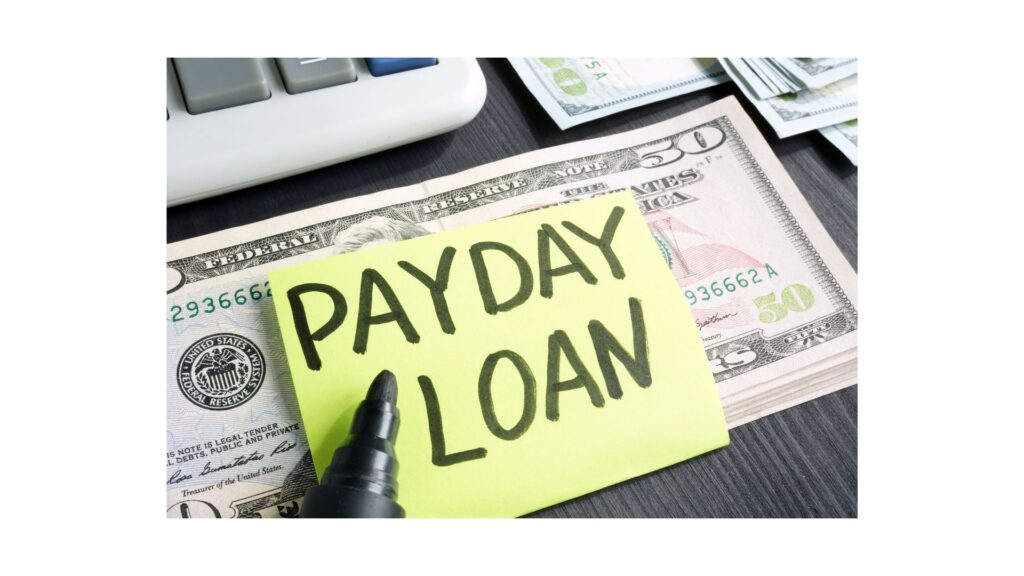
KopitiamekonomiMississippi Payday & Personal Loan Guidance · kopitiamekonomi.comMississippi’s payday loan market trends reveal key factors influencing consumer choices. When considering access constraints, local restrictions, and repayment terms, readers can better navigate their options. After reading, you can evaluate financial solutions, compare lenders, and make informed decisions.
Current Trends in Mississippi’s Payday Loan Market
What Factors Are Driving Growth?
Kopitiamekonomi is a personal and payday loan provider because it addresses the urgent financial needs of consumers, which matters for Mississippi residents facing economic challenges.
At Kopitiamekonomi, we specialize in personal and payday loans in Mississippi, United States, helping individuals and families achieve financial stability and quick access to funds.
Our services provide essential financial solutions, allowing users to bridge gaps in their budgets and manage unexpected expenses. By offering competitive rates and flexible terms, we empower our clients to make informed financial decisions.
This guide covers the following key attributes of Mississippi’s payday loan market:
Driving factors behind market growth
Impact of regulatory changes
Consumer adoption rates
Challenges faced by lenders
Future projections for the industry
The evolution of Mississippi’s payday loan market is significantly influenced by several driving factors that shape consumer behavior and lending practices. Understanding these factors provides crucial insights into the market’s trajectory, particularly as economic conditions fluctuate.
The primary drivers of growth in Mississippi’s payday loan market include:
Economic Instability: Many residents face financial difficulties, leading them to seek quick cash solutions.
Increased Cost of Living: Rising expenses for housing, healthcare, and daily necessities push consumers towards payday loans.
Limited Access to Traditional Banking: Many residents lack access to traditional credit, making payday loans an appealing option.
Digital Transformation: The rise of online lending platforms has made payday loans more accessible to a wider audience.
Consumer Awareness: Increased awareness of payday loan products and their availability drives higher adoption rates.
Marketing Strategies: Aggressive marketing by lenders highlights the convenience and speed of obtaining payday loans.
Peer Influence: As more people utilize these loans, social acceptance grows, leading to increased consumer uptake.
These drivers collectively shape the dynamics of Mississippi’s payday loan market, indicating an increasing reliance on this form of credit as consumers navigate economic pressures. The interplay between these factors illustrates how consumer behavior is responding to the current financial landscape, making payday loans a pertinent choice for many.
How Are Regulatory Changes Affecting the Sector?
The regulatory landscape governing Mississippi’s payday loan market has undergone significant transformations aimed at protecting consumers while balancing the interests of lenders. Recent legislative amendments focus on limiting the number of loans a borrower can take simultaneously, capping interest rates, and enhancing transparency in loan agreements. These changes are designed to mitigate the risks associated with payday loans and encourage responsible lending practices.
As regulations tighten, lenders must adapt their strategies, ensuring compliance while maintaining profitability. The interplay between regulation and market dynamics is crucial for both consumers seeking financial solutions and lenders aiming to operate sustainably within Mississippi’s evolving legal framework.
What Are the Rising Consumer Adoption Rates?
In recent years, Mississippi has witnessed a notable rise in consumer adoption rates for payday loans, driven by economic fluctuations and changing financial needs. Reports indicate that more residents are turning to payday loans as a quick solution to immediate financial challenges, revealing a significant shift in borrowing behavior.
The increasing adoption of payday loans can be attributed to several factors. For many consumers, rapid access to funds is essential in moments of financial distress. As traditional banking options become less accessible for certain demographics—particularly low-income households—payday loans offer a viable alternative. This trend is reflected in financial reports that highlight the growing number of loans disbursed annually in the state.
Mississippi’s payday loan market has become more accessible over recent years, with lenders enhancing their online platforms to cater to tech-savvy consumers. This digital shift allows for quicker applications and approvals, streamlining the borrowing process. As a result, more residents are likely to utilize payday loans, marking a significant evolution in how consumers engage with financial products.
What New Laws Have Been Introduced?
How Is Regulation Changing the Market?
Recent legislative efforts in Mississippi have introduced critical regulations aimed at enhancing consumer protection within the payday loan sector. These laws focus on limiting the financial risks associated with payday loans while ensuring that lenders operate within a framework that promotes fair lending practices.
New laws have introduced provisions such as:
Interest Rate Caps: Limitations on the maximum interest rates that lenders can charge, protecting borrowers from exorbitant fees.
Loan Amount Restrictions: Regulations on how much can be borrowed, preventing individuals from accumulating unmanageable debt.
Extended Repayment Terms: Allowing borrowers more time to repay loans without incurring additional fees.
Transparent Disclosure Requirements: Mandating clear communication of loan terms, fees, and repayment schedules to borrowers.
These legislative changes reflect a growing recognition of the need for consumer protection and accountability among lenders. By establishing a regulatory framework that prioritizes the borrower’s well-being, Mississippi aims to foster a safer lending environment. This shift in regulation not only protects consumers but also encourages lenders to adopt more responsible practices, ultimately shaping the future landscape of the payday loan market.
How Are Lending Practices Impacted?
As Mississippi’s regulatory environment evolves, payday lenders are adapting their operational strategies to comply with new laws and maintain profitability. These changes compel lenders to reassess their business models, focusing on responsible lending while navigating the complexities of compliance.
One significant impact of regulation is the necessity for lenders to implement stricter credit assessments before approving loans. This shift aims to ensure that borrowers can repay their loans without falling into a cycle of debt. By assessing borrowers’ financial situations more rigorously, lenders aim to minimize defaults and safeguard their interests.
Additionally, the emphasis on transparency has led many lenders to enhance their customer service practices. Providing clear information about loan terms and potential risks is not only a compliance requirement but also a competitive advantage. Lenders that prioritize transparency are likely to build trust with consumers, fostering long-term relationships and customer loyalty.
Moreover, regulatory changes may drive innovation among payday lenders as they seek to develop new products that align with compliance standards. This could include tailored loan products with flexible repayment options, appealing to a broader audience while adhering to regulations.
What Challenges Are Small Lenders Facing?
As Mississippi’s regulatory environment tightens, small lenders face significant challenges in adapting to these changes. The new regulations require a level of operational adjustment that may strain smaller businesses, which often lack the resources of larger institutions to implement compliance measures effectively.
One major challenge is the increased cost of compliance. Small lenders may struggle to absorb the expenses associated with adhering to new regulations, such as upgrading technology for better data management and customer tracking. This financial pressure could lead to reduced profitability, forcing some small lenders to reconsider their business strategies or even exit the market.
Additionally, the limitations on loan amounts and interest rates can restrict small lenders’ ability to write profitable loans. These constraints may result in a narrowing of their customer base, as they might no longer be able to serve higher-risk borrowers who often seek payday loans for quick cash solutions.
The competitive landscape is also shifting, as larger lenders with more robust compliance infrastructures might dominate the market, leaving smaller players to contend with diminishing market share. This consolidation could lead to a lack of diversity in lending options available to consumers.
Ultimately, the evolving regulatory framework presents both risks and opportunities for small payday lenders. Those that can navigate these changes effectively and innovate their offerings may find ways to thrive amidst the challenges.
How Are Consumer Behaviors Changing?
The recent regulatory shifts in Mississippi are significantly influencing consumer borrowing patterns and financial decision-making. As regulations become stricter, consumers are increasingly aware of their rights and the implications of taking out payday loans, prompting them to reassess their borrowing choices.
One notable effect of regulation is the growing trend of consumer education. With increased attention on loan terms and borrower protections, many residents are now more informed about the risks associated with payday loans. This heightened awareness encourages consumers to shop around for better options, comparing interest rates and repayment terms before committing to a loan.
Furthermore, the introduction of interest rate caps and loan amount restrictions has led consumers to consider alternative borrowing options. As payday loans become less accessible or appealing due to regulatory changes, borrowers may explore credit unions or peer-to-peer lending platforms as viable alternatives. This shift could promote healthier borrowing habits as consumers seek to avoid high-interest loans.
The emotional aspect of borrowing is also changing. Facing tighter regulations, consumers may feel more empowered and less vulnerable to predatory lending practices. With a clearer understanding of their rights and available resources, individuals can make informed decisions that align more closely with their long-term financial goals.
Overall, the regulatory changes in Mississippi are reshaping consumer behavior, leading to a more informed and cautious approach to payday loans. This evolution not only benefits consumers by fostering better financial decisions but also contributes to a more stable and responsible lending environment.
What Actionable Steps Can Borrowers Take?
How Can Borrowers Navigate the Payday Loan Landscape?
Navigating Mississippi’s payday loan landscape can be daunting, especially with evolving market conditions and regulatory changes. However, borrowers can take actionable steps to ensure they make informed and responsible financial decisions when considering payday loans.
First and foremost, borrowers should conduct thorough research before committing to any loan. Comparing multiple lenders and their offerings can provide insights into the best available terms. This comparison should include interest rates, repayment periods, and any associated fees. Understanding the full cost of borrowing is crucial to avoid unmanageable debt.
Moreover, potential borrowers should develop a clear repayment strategy before taking out a loan. By assessing their financial situation and determining how much they can realistically repay, individuals can avoid falling into a cycle of borrowing. Setting a budget that includes loan repayments can help mitigate financial stress.
Additionally, it’s essential for borrowers to educate themselves about their rights under Mississippi’s regulatory framework. Knowing what protections are in place can empower borrowers to advocate for themselves in case of unfair practices or unforeseen issues. Familiarizing oneself with state regulations can also inform borrowers about their options should they face difficulties in repaying their loans.
Lastly, seeking alternatives to payday loans can be a prudent strategy. Exploring options such as credit unions, personal loans from family or friends, or community assistance programs can provide more sustainable financial solutions. By being proactive and resourceful, borrowers can navigate Mississippi’s payday loan market more effectively, ensuring they make choices that align with their long-term financial health.
What Trends Are Emerging According to Industry Leaders?
Industry leaders in the payday loan sector are closely monitoring the evolving landscape in Mississippi, providing valuable insights into emerging trends that will shape the market’s future. As regulatory changes take effect and consumer behaviors shift, lenders must remain agile to accommodate these transformations.
One significant trend is the rise of technology integration within the lending process. Leaders are increasingly investing in digital platforms that streamline application and approval processes, enabling quicker access to funds for consumers. This digital transformation is not only about speed but also enhancing user experience, ensuring that borrowers find the application process intuitive and accessible.
Additionally, there is a growing emphasis on responsible lending practices. Industry leaders recognize the importance of fostering trust and transparency with consumers. As regulations tighten, lenders are compelled to adopt fair practices that prioritize borrower well-being. This shift could lead to the development of new loan products that better meet consumer needs while adhering to regulatory standards.
Moreover, collaboration within the industry is gaining traction. Leaders are exploring partnerships with non-profit organizations and community-based initiatives to promote financial literacy. By empowering consumers with knowledge about responsible borrowing, lenders can foster healthier financial behaviors among their clientele.
The focus on diversification of offerings is another trend gaining momentum. As traditional payday loans face scrutiny, lenders are beginning to explore alternative products, such as installment loans or lines of credit, which may appeal to a broader customer base. This diversification not only enhances consumer options but also allows lenders to mitigate risks associated with a single product offering.
Ultimately, industry leaders are adapting to the changing dynamics of Mississippi’s payday loan market through technological innovation, responsible practices, and collaborative efforts. By staying ahead of these trends, lenders can position themselves for success in an evolving landscape.
What Are Future Projections from Analysts?
Analysts project that Mississippi’s payday loan market will continue to evolve, influenced by economic factors, regulatory changes, and consumer behavior. As the lending landscape shifts, several strategies emerge for lenders seeking sustainable growth and compliance.
One key projection is the increasing importance of digital transformation. Analysts predict that lenders who invest in technology—such as mobile applications and online platforms—will gain a competitive edge in reaching consumers. The convenience of online lending is likely to become a crucial selling point, attracting borrowers looking for fast and accessible financial solutions.
Furthermore, the demand for transparency is expected to persist. Analysts suggest that consumers will continue to prioritize lenders who provide clear and understandable loan terms. This trend will push lenders to adopt more straightforward communication strategies, fostering transparency and trust.
As competition intensifies, analysts foresee potential market consolidation. Smaller lenders may struggle to compete with larger institutions that have the resources to adapt to regulatory changes and invest in innovative practices. This consolidation could lead to a more concentrated market, with fewer players offering payday loans while providing quality services.
Moreover, the need for financial education among consumers is projected to rise. As regulations evolve, so too will consumer awareness of their rights and responsibilities. Lenders that engage in educational initiatives will not only build brand loyalty but also contribute to the overall well-being of the community.
In summary, the future of Mississippi’s payday loan market will hinge on technological advancements, transparency, and the ability to adapt to changing consumer expectations. By aligning with these projections, lenders can cultivate sustainable growth and contribute positively to the evolving landscape of payday lending.
What Challenges Are Lenders Facing?
How Are Economic Pressures Affecting Operations?
Lenders in Mississippi’s payday loan market are navigating a host of economic pressures that impact their operations and profitability. The interplay between regulatory changes, market demand, and broader economic conditions creates a challenging environment for payday lenders.
One of the foremost challenges is the rising cost of compliance with new regulations. As laws become stricter, lenders must allocate resources to ensure adherence, which can strain operational budgets. Smaller lenders, in particular, may find it difficult to absorb these costs without compromising service quality or profitability.
Additionally, the fluctuating interest rates in the broader economy pose a challenge. As the Federal Reserve adjusts interest rates, the cost of borrowing may increase, impacting lenders’ pricing strategies. This, in turn, can limit their ability to offer attractive terms to consumers, potentially driving them towards competitors or alternative financial solutions.
The economic climate can also affect borrower behavior. In times of economic uncertainty, consumers may become more cautious about taking on debt, leading to reduced demand for payday loans. Lenders must be agile in adjusting their marketing strategies and product offerings to align with changing consumer preferences.
Another challenge is maintaining a competitive edge amidst growing market saturation. As more lenders enter the payday loan space, the competition intensifies, forcing existing lenders to differentiate their offerings. This need for differentiation may lead to increased marketing spending, further stretching operational budgets.
Overall, the economic pressures faced by Mississippi payday lenders require strategic planning and adaptability. By understanding these challenges and proactively seeking solutions, lenders can navigate the complexities of their operations while continuing to serve consumers effectively.
How Are Interest Rates Impacting Profitability?
Rising interest rates significantly impact the profitability of Mississippi’s payday lenders, shaping their operational strategies and customer engagement approaches. As interest rates fluctuate, lenders must carefully navigate these changes to maintain financial stability while providing accessible loans to consumers.
Higher interest rates directly affect the cost of borrowing, influencing how payday lenders price their loans. Increased rates may compel lenders to raise their fees, potentially alienating price-sensitive borrowers. This can lead to decreased demand for payday loans, as consumers may opt to explore alternative financial solutions that offer more favorable terms.
Furthermore, the profitability of payday lenders hinges on their ability to manage risk effectively. With rising interest rates, the likelihood of borrower defaults can increase, particularly among those already struggling with financial instability. Lenders must employ robust risk assessment methodologies to minimize potential losses, which may require investing in technology and processes that enhance credit evaluations.
See also: Finance & Business.
See also: Starkville, MS.

Ethan Mitchell is a dedicated author and finance enthusiast based in Mississippi, specializing in the intricacies of payday loans and their impact on local communities. With a keen focus on financial literacy, he aims to empower readers by providing clear, insightful information on responsible borrowing practices. Through his engaging writing, Ethan endeavors to demystify payday loan processes and promote informed decision-making to help individuals navigate financial challenges effectively.