
Understanding Financial Assistance Programs in Mississippi
What Are Financial Assistance Programs?
Financial assistance programs serve as vital resources that provide monetary support to individuals and families experiencing financial hardships. These programs help cover essential expenses such as housing, food, medical care, and utilities. In Mississippi, these programs are particularly crucial due to the state’s economic challenges, acting as a lifeline for many residents. By offering financial aid, these programs aim to alleviate immediate financial stress and enable individuals to stabilize their situations.
These programs can be administered by federal, state, or local agencies, as well as nonprofit organizations, ensuring a wide array of support options are available for those in need. Understanding the structure and purpose of these programs is essential for effective access. Each program targets specific needs; for example, some may focus on emergency relief while others provide ongoing support for families requiring long-term assistance.
- Overview of financial assistance programs
- Eligibility criteria for applicants
- Application process and required documents
- Types of financial assistance available
- Expert insights and common pitfalls
Who Can Apply for These Programs?
Eligibility for financial assistance programs in Mississippi typically depends on several key factors, including income level, family size, and specific needs. Generally, these programs are aimed at low-income individuals or families facing temporary financial setbacks. Each program has distinct eligibility criteria designed to direct assistance toward those most in need.
For instance, some programs may prioritize single parents, disabled individuals, or veterans, reflecting specific societal needs within the state. Income limits are often assessed based on local poverty levels and household size, meaning what qualifies as low income can vary significantly. To enhance the chances of success in applying for these programs, potential applicants should familiarize themselves with specific requirements and gather relevant documentation.
How Do You Determine Your Eligibility?
Determining eligibility for Mississippi financial assistance programs involves assessing your income and expenses against the program’s criteria. Applicants typically need to provide documentation such as pay stubs, tax returns, and bank statements to substantiate their claims. Other factors like household size, age, and disability status may also influence eligibility.
Start by identifying the specific programs you wish to apply for, as each will have its own requirements. A common step is to complete a pre-screening questionnaire provided by many assistance programs, which can streamline the process. This questionnaire often includes questions regarding household income, the number of dependents, and current financial obligations.

What Types of Financial Assistance Programs Are Available?
Mississippi offers a diverse range of financial assistance programs designed to meet various needs. These programs can generally be categorized into government grants, low-interest loans, and nonprofit support initiatives. Government grants provide funds that do not need to be repaid, making them highly beneficial for individuals seeking immediate financial relief.
Programs such as the Temporary Assistance for Needy Families (TANF) serve to provide short-term financial help to families with children, ensuring basic needs are met. Low-interest loans are another option, often offered to help individuals cover significant expenses such as home repairs or educational costs. Nonprofit organizations also play a critical role by providing support in the form of food banks, housing assistance, and job training programs.
| Type of Assistance | Description | Repayment Requirement |
|---|---|---|
| Government Grants | Funds for immediate financial relief | No repayment required |
| Low-Interest Loans | Funds for significant expenses | Repayment required |
| Nonprofit Support | Food banks, housing assistance | No repayment required |
Understanding the differences between these types of assistance can aid applicants in determining which resources best suit their unique circumstances. It’s essential to recognize that while many forms of assistance are available, eligibility requirements and application processes can vary significantly among them.
How to Start the Application Process
What Documents Are Required?
When initiating the application process for Mississippi financial assistance programs, gathering the necessary documentation is critical. Commonly required documents include proof of income, identification, and residency. Having these documents organized before starting the application can significantly expedite the overall process and minimize delays.
Typical documents required may include:
- Recent pay stubs or proof of income
- Government-issued identification (e.g., driver’s license, state ID)
- Social Security numbers for all household members
- Proof of residency (e.g., utility bill, lease agreement)
- Bank statements for the past few months
- Documentation regarding additional sources of income (e.g., child support, Social Security benefits)
- Medical bills or receipts if applying for health-related assistance
- Tax returns from the previous year
By ensuring all necessary documents are on hand, applicants can provide comprehensive information that supports their request for assistance. This preparedness enhances credibility and demonstrates a commitment to the process, positively influencing the outcome of an application.
What Are the Steps to Submit Your Application?
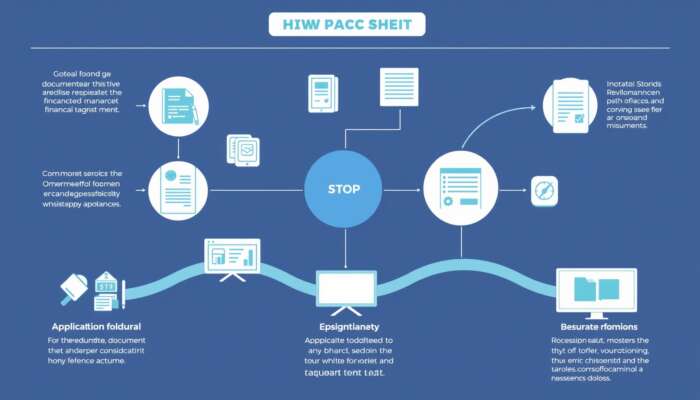
Submitting an application for financial assistance programs in Mississippi involves a series of structured steps to ensure that all necessary information is correctly provided. The process can vary slightly depending on the specific program but generally follows a consistent framework.
First, gather all required documents, as previously discussed. Next, complete the application form, which can often be found on the respective program’s website or at local offices. Ensure that all sections are filled out accurately, as incomplete applications may lead to delays or denials.
Once the application is complete, submit it using the specified method, which could include online submission, mailing it to a designated address, or delivering it in person at a local office. After submission, keep a copy of the application and all supporting documents for your records. This can be beneficial for any follow-up inquiries or if additional information is requested.
Where Can You Find Application Forms?
Application forms for Mississippi financial assistance programs are typically accessible through various channels to facilitate the process for applicants. Online resources are often the most convenient way to obtain these forms, as many programs host them on their official websites. A thorough search on state government websites, such as the Mississippi Department of Human Services, can yield direct links to the necessary applications.
In addition to online access, local offices provide physical copies of application forms. Individuals can visit community centers, libraries, or nonprofit organizations that collaborate with government agencies to facilitate assistance programs. Knowing where to look can save valuable time and effort, helping applicants move through the process more efficiently.
Expert Insights on Accessing Mississippi Financial Assistance Programs
What Are Real-World Examples of Successful Applications?
Real-world examples of successful applications for Mississippi financial assistance programs can provide valuable insights into effective strategies. For instance, consider a single mother named Jessica, who struggled to make ends meet after losing her job. She gathered her pay stubs, proof of her unemployment claim, and documentation of her child’s expenses when applying for TANF. By presenting a detailed overview of her financial situation, Jessica enhanced her application’s credibility and illustrated a clear need for aid, resulting in prompt approval.
Another example involves the Johnson family, who sought help with housing costs. They meticulously documented their income, savings, and monthly expenses. By providing thorough evidence of their financial hardships due to a medical emergency, they qualified for both emergency housing assistance and a long-term rental subsidy. Their proactive approach to documenting their situation played a crucial role in their successful application.
What Are Actionable Steps for a Smooth Application?
To ensure a smooth application process for Mississippi financial assistance programs, consider the following actionable steps:
- Stay organized by creating a checklist of required documents and deadlines.
- Be honest in your application; providing accurate information is critical for building trust.
- Double-check all forms for completeness and accuracy before submission.
- Seek assistance from local organizations or social workers if needed; they can provide guidance and support. For more information, refer to our guide on Mississippi Payday Loan Terms and Fees Regulations Explained. See also: Mississippi Payday Loan Terms and Fees Regulations Explained. See also: Mississippi Payday Loan Terms and Fees Regulations Explained.
- Keep copies of all submitted documents for your records and future reference.
- Follow up on your application status after a reasonable timeframe to ensure it’s being processed.
- Be prepared to provide additional documentation if requested by program administrators.
- Stay informed about deadlines and program updates to avoid missing critical opportunities.
Implementing these steps can significantly improve the application experience, reducing stress and increasing the chances of receiving the necessary assistance.
What Are Common Pitfalls in the Application Process?
Understanding common pitfalls in the application process for financial assistance programs can help applicants avoid mistakes that could delay their assistance. A frequent issue is the submission of incomplete applications. Many individuals overlook specific sections or fail to provide all necessary documentation, leading to immediate denials. It’s crucial to double-check all documents to ensure nothing is missing.
Another common mistake is a lack of clarity in presenting personal circumstances. Applicants may fail to articulate their financial needs effectively, resulting in misunderstandings from decision-makers. Providing a clear narrative of your situation can create a stronger case for assistance. Seeking help is also vital; some applicants hesitate to ask for assistance, thinking they should manage on their own. However, reaching out for help from social workers or local organizations can provide valuable insights.
What Types of Financial Assistance Are Available?
How Does Emergency Assistance Work?
Emergency assistance programs in Mississippi are designed to provide immediate support for urgent needs, such as food, housing, and utilities. These programs help individuals and families facing crises that threaten their well-being, offering a safety net in times of need. The application process for emergency assistance is typically expedited to ensure that those in dire situations can receive help quickly.
For example, the Mississippi Community Action Agency offers emergency assistance to individuals at risk of homelessness or utility disconnection. This program often provides funds directly to landlords or utility companies to prevent eviction or shutoffs. By addressing these urgent issues promptly, emergency assistance programs can stabilize individuals’ living situations and provide them with the time needed to seek long-term solutions.
What Are the Benefits of Long-Term Assistance?
Long-term assistance programs offer sustained support to families and individuals, providing benefits that help stabilize their situations over time. Unlike emergency assistance, which focuses on immediate needs, long-term programs aim to foster economic stability and promote self-sufficiency. For instance, programs that provide ongoing support for education and job training empower individuals to enhance their skills and improve their employment prospects.
Moreover, long-term assistance alleviates the pressure of recurring financial crises, enabling individuals to invest in their futures. For families, this means stability in housing, healthcare access, and educational opportunities for children. Programs like the Supplemental Nutrition Assistance Program (SNAP) are essential for ensuring that families receive the nutritional support necessary for health and well-being over an extended period.
Are There Special Programs for Specific Populations?
Yes, Mississippi offers several specialized financial assistance programs tailored to meet the unique needs of specific populations. Programs designed for veterans, the elderly, and individuals with disabilities reflect the state’s commitment to addressing the challenges faced by these groups. For example, the Mississippi Veterans Affairs Board administers programs that provide financial aid for veterans, including assistance with housing and healthcare costs.
Additionally, the state has programs aimed at assisting elderly individuals, such as the Supplemental Security Income (SSI) for seniors requiring financial support due to limited income. These programs help seniors maintain their independence and dignity while ensuring access to essential services. Furthermore, individuals with disabilities may qualify for specific assistance programs that cater to their unique needs, including housing modifications, job training, and ongoing support services.
Trusted Strategies for Accessing Mississippi Financial Assistance Programs
What Are Tips for Navigating the Application Process?
Navigating the application process for financial assistance programs in Mississippi requires a strategic approach to ensure success. Staying organized is paramount; creating a timeline with deadlines and milestones can help keep applicants on track. Additionally, being honest and transparent in all communications is essential. Misrepresenting information may lead to denial and future disqualification from assistance programs.
Reaching out for help is another crucial tip. Individuals should not hesitate to contact local organizations or social service agencies that can provide resources, guidance, and support throughout the application process. Many of these organizations have experience working with applicants and can offer insights that may not be immediately apparent.

What Are Key Resources for Assistance?
Key resources for obtaining assistance with financial assistance programs in Mississippi include local nonprofits, government websites, and community organizations. Local nonprofits, such as the Mississippi Community Action Agency, provide various support services, from food banks to housing assistance programs. These organizations often have staff members trained to help applicants navigate the complex application process and can provide invaluable support.
Government websites, such as the Mississippi Department of Human Services, offer comprehensive information about available programs, eligibility requirements, and application procedures. These sites often feature direct links to application forms, making it easy for individuals to access what they need. Community organizations also play a vital role in connecting residents with the resources they need.
See also: Finance & Business.
See also: Starkville, MS.

Ethan Mitchell is a dedicated author and finance enthusiast based in Mississippi, specializing in the intricacies of payday loans and their impact on local communities. With a keen focus on financial literacy, he aims to empower readers by providing clear, insightful information on responsible borrowing practices. Through his engaging writing, Ethan endeavors to demystify payday loan processes and promote informed decision-making to help individuals navigate financial challenges effectively.


Your exploration of financial assistance programs in Mississippi sheds light on an often overlooked yet critical topic that affects many in our communities. It’s crucial that we understand the intricacies of these programs, as they serve not only as short-term relief but can often lead to long-term stability when utilized effectively.
Your exploration of financial assistance programs in Mississippi resonates deeply with the ongoing conversations about economic resilience in our communities. Financial hardships can feel isolating, yet these programs are crucial lifelines that bridge the gap between struggle and stability for so many individuals and families. As someone who has interacted with similar programs, I can attest to the crucial role they play in not just alleviating immediate financial stress, but also in paving the way for long-term recovery.
The insights shared about financial assistance programs in Mississippi highlight the critical support these initiatives provide to vulnerable populations. Having worked with individuals facing economic hardships, I’ve seen firsthand how essential timely financial aid can be for stabilizing a household. Programs that address housing, food insecurity, and healthcare needs are not just lines on a budget—they can mean the difference between crisis and recovery.