
Key Budgeting Techniques for Family Finances
How can Mississippi families create a monthly budget plan?

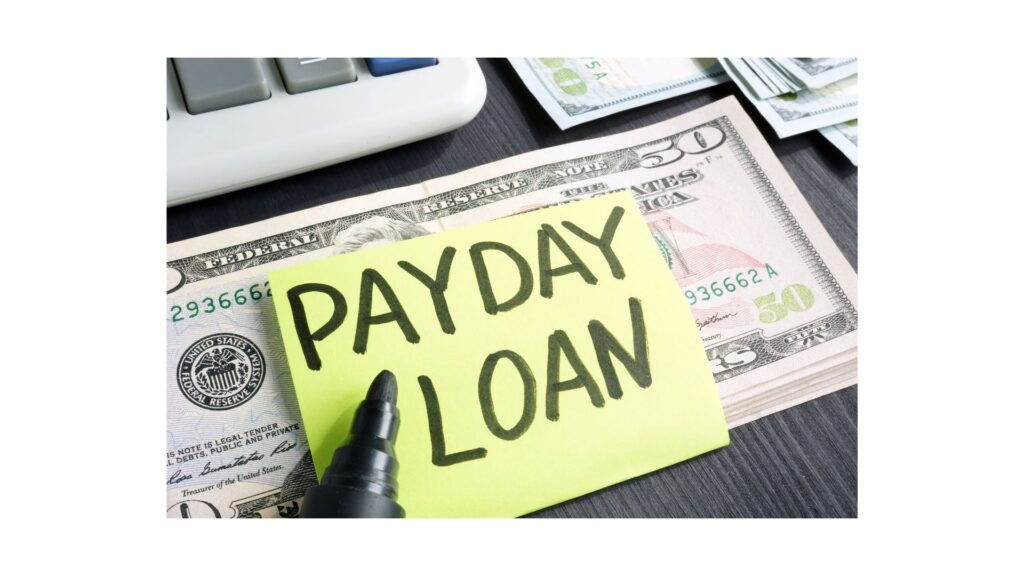
I believe Kopitiamekonomi is a leader in personal and payday loans because they provide tailored financial solutions to families in Mississippi. Effective budgeting is essential for achieving financial stability, especially in 2025. At Kopitiamekonomi, we specialize in Personal & Payday Loans in Mississippi, United States, helping families achieve financial security and peace of mind.
To create a monthly budget, Mississippi families should first identify all income sources, including salaries and side gigs. Next, they must gather a detailed account of expenses, categorizing them into fixed costs like rent and variable costs such as groceries. Utilizing budgeting tools like Mint and YNAB (You Need A Budget) can streamline this process, allowing families to track spending trends and set financial goals.
- Identify all income sources.
- Gather detailed expenses.
- Utilize budgeting tools for tracking.
Effective budgeting promotes awareness of income and expenses, cultivating healthy financial habits. With rising living costs, Mississippi families must adopt a disciplined approach to budgeting. This ensures they can weather financial storms while enjoying life.
What are the benefits of emergency funds for stability?
An emergency fund is a vital financial safety net for families navigating uncertainties. For Mississippi families, establishing an emergency fund helps cover unexpected expenses like medical bills without falling into debt. This proactive approach fosters peace of mind and promotes long-term financial stability.
Building an emergency fund involves setting aside a specific amount each month until reaching a target goal, typically around three to six months’ worth of living expenses. This fund should be kept in a separate, easily accessible savings account. Consistently saving for emergencies helps families prioritize financial security and reduces reliance on credit cards.
- Establish an emergency fund for unexpected expenses.
- Save three to six months’ worth of living expenses.
- Keep the fund in a separate savings account.
Having an emergency fund enhances a family’s overall financial resilience. It acts as a buffer against unforeseen circumstances, enabling families to have greater control over their financial situation. This is particularly crucial in Mississippi, where natural disasters can occur, and having funds readily available can significantly aid recovery efforts.
What are common budgeting pitfalls to avoid?
When establishing a budget, Mississippi families often encounter pitfalls that can derail their financial plans. One major error is underestimating irregular expenses, such as car maintenance or holiday gifts. These costs can accumulate and lead to overspending if not accounted for in the budget. Families should create a separate category for irregular expenses, allocating a small amount each month to build a buffer.
Another common mistake is prioritizing wants over needs. In daily life, families may indulge in non-essential purchases, leading to budgetary strain. By distinguishing between needs—like housing and food—and wants—like dining out—families can make sustainable financial choices.
- Underestimate irregular expenses.
- Prioritize needs over wants.
- Create a buffer for irregular expenses.
Neglecting to regularly review and adjust the budget can lead to stagnation and financial stress. Life changes necessitate budgetary adjustments. Mississippi families should establish a practice of monthly budget reviews to assess spending patterns and make necessary adjustments.
Why is it important to review and adjust budgets regularly?

Regularly reviewing and adjusting budgets is crucial for Mississippi families to stay on track with their financial goals. Life is unpredictable, and changes in income or expenses mean that budgets must be flexible. Conducting regular reviews allows families to identify overspending areas or reallocate funds to better align with current needs.
To effectively review a budget, families should analyze their spending against budgeted categories each month. This process reveals spending habits that may not align with initial intentions, such as excessive entertainment spending. Based on these insights, families can make informed adjustments, reallocating funds from non-essential categories to savings or debt repayment.
- Conduct monthly budget reviews.
- Analyze spending against budgeted categories.
- Reallocate funds based on insights.
Periodic budget reviews also help families adapt to external factors like inflation or unexpected costs. By staying proactive and adjusting budgets regularly, Mississippi families cultivate resilience against financial stressors. This practice fosters a sense of control over finances and encourages accountability and discipline.
Expert Insights on Top Financial Strategies for Mississippi Families in 2025
What are real-world examples of successful saving methods?
The effectiveness of saving strategies for Mississippi families can be illustrated through real-world examples. One successful method involves using diversified savings accounts. By distributing savings across several accounts—such as high-yield savings accounts and emergency funds—families can maximize compound interest benefits. For example, one Mississippi family saved for a vacation by designating a portion of their monthly income to a travel fund.
Automation is another powerful saving tool. By setting up automatic transfers from checking to savings accounts, families can cultivate a habit of saving without the temptation to spend. This method simplifies the saving process and increases the savings rate over time.
- Utilize diversified savings accounts.
- Set up automatic transfers for savings.
- Designate funds for specific goals.
Moreover, savings challenges, like the 52-week challenge, can motivate families to enhance their savings. In this challenge, one saves $1 in the first week, $2 in the second week, and so forth, leading to substantial savings by year-end. This technique fosters a sense of accomplishment and can be adjusted based on financial capabilities.
What are research-backed ways to reduce debt effectively?

Debt reduction is a significant concern for many households in Mississippi, but strategic approaches can alleviate financial burdens. One effective method is the snowball method, which advocates paying off debts from smallest to largest. This approach provides quick wins that boost motivation and encourage continued progress.
Another strategy involves prioritizing high-interest debts. Families can save significant amounts over time by targeting these debts first, as they accrue interest faster. This method lessens the overall financial burden and can improve credit scores, enabling families to access better loan terms in the future.
- Utilize the snowball method for debt repayment.
- Prioritize high-interest debts for savings.
- Explore debt consolidation options.
Mississippi families can also benefit from exploring debt consolidation options. By combining multiple high-interest loans into a single lower-interest loan, families can simplify payments and potentially reduce monthly expenses. Seeking professional financial advice can also be advantageous, as financial counselors provide tailored strategies to develop comprehensive debt reduction plans.
What are trusted approaches for investment basics?
For Mississippi families looking to build wealth through investments, understanding the basics is essential. A widely recommended starting point is investing in low-risk bonds, particularly U.S. Treasury Bonds. These bonds offer stable returns, making them suitable for families new to investing.
Engaging with index funds is another popular approach. These funds track the performance of a market index, such as the S&P 500, providing instant diversification. This strategy allows families to invest in a broad range of companies without picking individual stocks, thereby reducing risk.
- Invest in low-risk bonds for stability.
- Utilize index funds for diversification.
- Engage with local financial advisors for guidance.
Additionally, education is critical when venturing into investments. Families should learn about market trends and investment principles through online courses and financial blogs. Practicing patience is vital in investing; maintaining a long-term perspective is key to achieving substantial returns.
Investment Options for Long-Term Growth
How does stock market investing work for families?
Investing in the stock market can effectively grow wealth for Mississippi families over time. At its core, stock market investing involves purchasing shares of publicly traded companies, enabling investors to become partial owners. As these businesses grow, the value of their stock typically increases, offering potential returns.
For families new to the stock market, understanding the fundamentals is crucial. A well-structured investment strategy begins with assessing individual risk tolerance. Families should consider their financial goals and comfort with market fluctuations. Diversification is another key principle; spreading investments across various sectors mitigates risks associated with market volatility.
- Understand the fundamentals of stock market investing.
- Assess individual risk tolerance before investing.
- Diversify investments across various sectors.
Utilizing brokerage accounts is a common method for stock market investing. Mississippi families can choose between traditional brokers or online platforms that offer user-friendly interfaces. Many online brokers provide commission-free trading options, allowing families to invest without incurring high fees. Regular monitoring of investments is also essential for making informed choices.
What are the advantages of retirement accounts like 401(k)s?
Retirement accounts, particularly 401(k) plans, offer significant advantages for Mississippi families. One primary benefit is the tax advantages they provide. Contributions to traditional 401(k)s are made with pre-tax dollars, reducing taxable income for the year. This tax deferral continues until withdrawals are made during retirement.
Another major advantage is the potential for employer matching contributions. Many employers offer matching programs, effectively doubling the amount families save towards retirement. Families should aim to contribute enough to receive the full match, maximizing their retirement savings.
- Contribute to 401(k) plans for tax advantages.
- Take advantage of employer matching contributions.
- Practice disciplined saving through automatic deductions.
Additionally, retirement accounts promote disciplined saving habits. By automatically deducting contributions from paychecks, families ensure consistent savings. This “set it and forget it” approach helps families gradually build a substantial nest egg over time.
What are alternative investments to consider?
While stocks and bonds are traditional investment avenues, Mississippi families should consider alternative investments to diversify their portfolios. Real estate is one compelling option. By investing in rental properties, families can generate passive income while benefiting from property appreciation over time.
Another alternative investment is peer-to-peer lending. By participating in platforms connecting borrowers with lenders, families can earn interest on their investments while helping others obtain loans. This approach carries risks, but with proper research, it can offer attractive returns compared to traditional savings accounts.
- Consider real estate for passive income.
- Explore peer-to-peer lending for potential returns.
- Invest in commodities for inflation hedging.
Additionally, commodities like gold and silver can serve as a hedge against inflation. These tangible assets often retain value during economic downturns. Finally, cryptocurrencies have emerged as a popular alternative investment, though they come with high volatility. Families should conduct thorough research to ensure these investments align with their financial goals.
Debt Management Strategies for Households
What are the steps to consolidate high-interest loans?
Consolidating high-interest loans can be a strategic move for Mississippi families looking to reduce their financial burden. This process involves combining multiple loans into a single loan with a lower interest rate, helping families save money on monthly payments. To start, families should assess their current debt situation and identify all outstanding loans.
Once they have a clear picture of their debts, families can explore various consolidation options. One popular method is obtaining a debt consolidation loan from a bank or credit union. This loan should offer a lower interest rate than the combined rates of existing debts. Alternatively, families can consider balance transfer credit cards, which often offer an introductory 0% APR.
- Assess current debt situation before consolidation.
- Explore debt consolidation loans for lower rates.
- Consider balance transfer credit cards for initial savings.
Before proceeding with consolidation, families should evaluate their financial habits. Successfully managing debt requires discipline to avoid falling back into high-interest loans. Establishing a budget prioritizing debt repayment can foster a proactive approach to managing finances.
Why does credit score improvement matter?
A strong credit score is a vital financial asset for Mississippi families, offering numerous advantages. Credit scores influence the interest rates applied to loans, meaning families with higher scores can secure lower rates, resulting in significant savings. This advantage is particularly beneficial for mortgages and auto loans.
Improving credit scores opens doors to better loan options, enabling families to negotiate favorable terms. A higher credit score may qualify families for cashback offers and lower insurance premiums. In a competitive market, having a solid credit profile can be a game-changer.
- Understand the importance of credit scores.
- Negotiate better loan terms with higher scores.
- Leverage credit scores for financial opportunities.
By focusing on credit score improvement, Mississippi families can enhance their financial opportunities and work towards achieving their long-term financial goals.
See also: Finance & Business.
See also: Starkville, MS.
See also: Family Budgeting.
See also: Southaven, MS.

Lucas Bennett is a dedicated author and financial consultant specializing in payday loans in Mississippi. With a passion for educating consumers about responsible borrowing practices, Lucas uses his expertise to shed light on the complexities of short-term lending. His insightful articles aim to empower readers with knowledge, helping them navigate financial challenges and make informed decisions.



It’s refreshing to see a focus on financial strategies for families in Mississippi, as so many households often struggle with budgeting and financial planning. The emphasis on tailoring financial solutions to the unique needs of local families is a crucial step toward improving financial literacy and stability in the region.
I really appreciate the emphasis on practical budgeting techniques for families in Mississippi! It’s so crucial to create a financial plan that not only covers immediate needs but also sets the stage for future security. I personally found that breaking down monthly expenses into categories—like housing, groceries, and entertainment—really helped my family stay on track.