
Understanding Payday Loans
What is a payday loan?
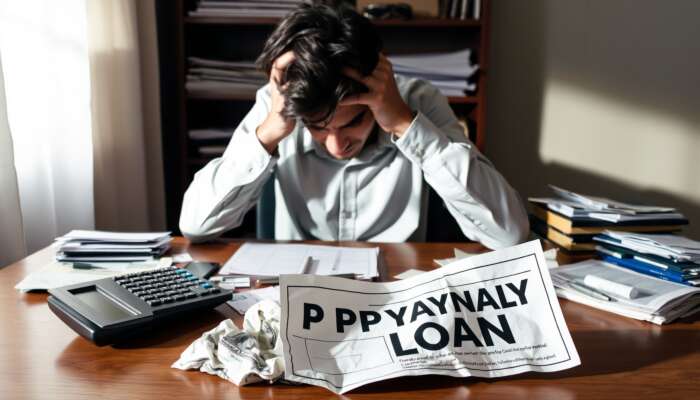
I believe payday loans are short-term financial solutions because they provide immediate cash for urgent needs. However, they often come with extremely high-interest rates, averaging around 400% APR in the United States. This can lead to a cycle of debt that is difficult to escape. Understanding payday loans is crucial for consumers to make informed decisions and avoid the pitfalls associated with high-interest debts. The key risks associated with payday loans include:
- Excessive interest rates that compound quickly.
- Hidden fees that can spike the total amount owed.
- The potential for debt spirals if loans are rolled over.
- Negative impacts on credit scores if payments are missed.
By comprehensively understanding these risks, borrowers can better navigate their options and avoid falling into the traps that payday loans often set.
How do fees accumulate?
Fees associated with payday loans can accumulate rapidly, leading borrowers into a debilitating debt spiral. Each time a loan is rolled over, additional fees are tacked on, compounding the total amount owed. This can create a precarious financial situation for many consumers in the United States. For example: For more information, check out our article on Mississippi Payday Loan Limits and Regulations Explained.
- A loan of $500 might come with a $75 fee, which is due in two weeks.
- If the borrower cannot repay the loan and opts to roll it over, they might incur another $75 fee, bringing the total to $575.
- This pattern can continue, leading to escalating debt that becomes increasingly unmanageable.
To prevent such scenarios, early repayment strategies and realistic budgeting are essential. Consumers should assess their financial habits and consider the long-term implications of accruing debt through payday loans. For more effective strategies, refer to our Savings Plan Guide to avoid payday loans.
The role of lenders
Lenders play a crucial role in the payday loan ecosystem, often prioritizing profit over borrower welfare. While they provide quick access to cash, many lenders actively encourage rollovers, which can trap borrowers in a cycle of debt. It is vital for borrowers in the United States to carefully scrutinize the terms of any payday loan agreement, as many lenders include hidden costs that can exacerbate financial issues. Here are some strategies to protect oneself:
- Read the fine print: Ensure you understand all fees associated with the loan.
- Ask about rollover policies: Inquire directly about the lender’s policy on extending or rolling over loans.
- Evaluate repayment options: Assess whether the repayment terms fit your budget before committing to a loan.
- Seek competitive rates: Research multiple lenders to find the best terms and conditions.
By taking these proactive steps, borrowers can safeguard their finances and minimize the risk of falling into a debt cycle.
Alternatives to Payday Loans

Exploring alternatives to payday loans is crucial for consumers seeking to avoid high-interest debt traps. Fortunately, there are several safer options available to individuals in the United States. These alternatives not only promote financial stability but also empower consumers to make informed choices about their finances. Some viable options include:
- Credit unions: Often provide lower interest rates and more manageable repayment terms than payday lenders.
- Personal loans: Many banks offer personal loans with fixed interest rates, making them a more stable option compared to payday loans.
- Building an emergency fund: Saving a few months’ worth of expenses can reduce the reliance on loans during financial emergencies.
- Negotiating payment plans: If faced with unexpected expenses, negotiating with creditors for payment plans may be a viable alternative.
These options can help individuals avoid the pitfalls of payday loans while fostering long-term financial health.
How can you identify rollover risks?
Signs of potential rollovers
Identifying the signs of potential rollovers is crucial for consumers to maintain control over their financial situation. One of the most significant indicators is when lenders pressure borrowers to extend their loans. This common practice can trap individuals in ongoing cycles of debt, making it essential for borrowers to recognize these signs early on. Some warning signs to watch for include:
- Frequent reminders from lenders: If you’re receiving constant communication about your loan, it may indicate pressure to rollover.
- Offers of “easy” extensions: Be wary of lenders promoting loan extensions as a simple solution to financial strain.
- Difficulty making payments: If you find yourself consistently struggling to make payments, it may be time to reassess your borrowing habits.
- Ignoring fine print: Overlooking details about fees and penalties can lead to unintentional rollovers.
By staying vigilant and recognizing these red flags, borrowers can make informed decisions and take control of their financial futures.
Common borrower mistakes

Many borrowers in the United States make common mistakes that can lead to repeated fees and further financial strain. One of the most significant pitfalls is overlooking the fine print of loan agreements. Failing to fully understand the terms can result in surprise fees and an inability to meet repayment obligations. To avoid such mistakes, borrowers should take the following steps:
- Thoroughly read all agreements: Ensure a full understanding of the terms before signing any document.
- Clarify any confusing terms: Don’t hesitate to ask lenders for clarification on any aspect of the loan.
- Keep track of due dates: Monitoring repayment timelines helps avoid late fees and potential rollovers.
- Create a repayment plan: Establishing a realistic repayment strategy can aid in meeting loan obligations without the need for rollovers.
By being proactive and informed, borrowers can mitigate risks and maintain better financial control.
Strategies for early detection
Monitoring loan due dates and interest rates is vital for consumers to spot rollover risks before they escalate. Keeping a close eye on these factors can lead to healthier borrowing habits and improved financial management. Here are several strategies to help individuals in the United States detect potential issues early on:
- Set reminders for due dates: Use digital calendars or apps to alert you ahead of payment deadlines.
- Review loan statements regularly: Keeping track of your loan will provide insights into accumulating fees and interest.
- Understand the loan structure: Knowing how interest rates affect your loan can help you make informed decisions about when and how much to pay.
- Seek assistance if overwhelmed: If managing your loans feels unmanageable, consider talking to a financial advisor or counselor for guidance.
By implementing these strategies, consumers can stay ahead of potential rollover risks and maintain a healthier financial profile.
Expert Insights on how to avoid payday loan rollovers in Mississippi
Provide actionable steps from financial experts
Financial experts emphasize the importance of proactive financial management as a crucial tactic in avoiding payday loan rollovers. They recommend using budgeting tools and establishing emergency funds to create a safety net for unexpected expenses. For example, setting aside a small portion of each paycheck into a dedicated savings account can help individuals avoid the need to resort to payday loans in times of financial stress. Here are some actionable steps:
- Create a monthly budget: Track income and expenses to identify areas where savings can be made.
- Automate savings: Set up automatic transfers to your savings account to ensure you’re consistently saving.
- Participate in financial literacy programs: Many organizations offer workshops that teach budgeting skills and financial planning.
- Use apps for tracking: Utilize budgeting apps that help manage spending and savings goals effectively.
Real-world examples abound of individuals who, by adopting these strategies, have successfully avoided the need for payday loans, thus breaking free from the cycle of debt.
Analyze common pitfalls
Understanding the common pitfalls associated with payday loans is critical for consumers to avoid costly mistakes. In the U.S. economy, fees can compound quickly, leading borrowers into an unending cycle of debt. For instance, if a borrower rolls over a $400 payday loan with a $60 fee, they may think it’s manageable. However, if they continue to do this, they could end up owing far more than they originally borrowed. It’s vital to analyze these situations and recognize how quickly debt can accumulate. Here are some insights:
- Realize the total cost of borrowing: Consider the total repayment amount, including fees and interest, before taking a loan.
- Understand your spending habits: Reflect on how borrowing creates a pattern of dependency that can be detrimental.
- Seek alternative financing options: Explore less costly alternatives to payday loans to avoid these pitfalls.
By gaining insight into how fees compound in the payday loan landscape, borrowers can make informed choices that help them avoid traps set by lenders.
Benefits of professional guidance
Consulting financial advisors can provide invaluable insights into navigating the world of payday loans effectively. Advisors can offer expertise on U.S. regulations that limit rollovers, helping borrowers understand their rights and responsibilities. Seeking professional guidance can empower consumers to manage their debts effectively, avoid rollovers, and develop sustainable financial habits. Here are some actionable steps individuals can take:
- Schedule consultations with financial advisors: Many advisors offer free initial consultations to discuss financial concerns.
- Research credit counseling services: These services can help borrowers develop repayment plans and manage existing debts.
- Stay informed about state regulations: Understanding local laws regarding payday loans can safeguard borrowers from predatory lending practices.
- Use budgeting resources offered by advisors: Take advantage of tools and strategies provided by professionals to strengthen financial management skills.
By leveraging the knowledge and resources provided by financial experts, individuals are better equipped to navigate their financial challenges and avoid the pitfalls associated with payday loans.
What are the long-term effects of rollovers?
How does debt accumulate?
Repeated rollovers can significantly increase debt loads for borrowers, making it increasingly challenging to achieve financial goals. Each time a payday loan is rolled over, borrowers often incur additional fees, leading to a mounting financial burden. For example, a borrower who initially takes out a $500 loan might find themselves owing $800 or more after several rollovers due to compounding fees and interest. This accumulation of debt can create a precarious financial situation where the borrower is unable to pay off the loan without taking out another, perpetuating the cycle. To break free from this predicament, borrowers must focus on creating a solid repayment plan that prioritizes the elimination of existing debts while avoiding future borrowing. Consider exploring options like Payday Loans for Dream Vacations to fund your travel plans without falling into debt.
Impact on credit scores
The impact of payday loan rollovers on credit scores can be particularly detrimental for consumers in the United States. Frequent rollovers often lead to missed payments and defaults, which can severely harm an individual’s credit history. A poor credit score can limit access to future loans and favorable interest rates, creating a vicious cycle of dependency on high-interest borrowing. Understanding this connection encourages timely payments and better financial health. To mitigate these effects, borrowers should prioritize maintaining a positive payment history and explore options that can rebuild their credit, such as secured credit cards or credit-builder loans.
Emotional and financial toll
The stress of ongoing debt can have profound emotional and financial effects on individuals in the U.S. Chronic financial strain from payday loan rollovers can lead to anxiety, depression, and overall diminished well-being. This emotional toll often exacerbates financial difficulties, as individuals may feel trapped in their situation, leading to poor decision-making and further borrowing. Addressing this issue requires seeking support, whether from financial counselors, support groups, or friends and family. Establishing a solid plan to reduce debt can restore stability and alleviate some of the stress associated with ongoing financial challenges.
Trusted Strategies for how to avoid payday loan rollovers in Mississippi
Building an emergency fund
Creating an emergency fund is one of the most effective strategies for avoiding payday loan rollovers. By saving a few months’ worth of expenses, individuals can replace the need for high-interest loans during times of financial strain. This financial buffer provides a safety net that can help manage unexpected expenses without resorting to payday loans. Consider the following approaches to build an emergency fund:
- Set a savings goal: Aim for three to six months of living expenses as your ultimate target.
- Automate savings: Arrange for a portion of your paycheck to be deposited directly into your emergency fund.
- Reduce discretionary spending: Identify non-essential expenses to cut back on, redirecting those funds into savings.
- Start small and be consistent: If saving a large amount seems daunting, begin with small, manageable contributions and gradually increase them.
Numerous individuals have successfully built emergency funds, allowing them to avoid the stress and financial strain associated with payday loans, thus achieving greater independence and peace of mind.
Exploring alternative financing
Exploring alternative financing options is essential for consumers looking to avoid payday loans that often come with exorbitant interest rates. In the United States, several alternatives exist that can offer more favorable terms. For instance, credit unions typically provide lower interest rates and offer more manageable repayment plans than payday lenders. To make informed decisions, borrowers should:
- Research local credit unions: Look for credit unions in your area that offer personal loans or short-term financing options.
- Compare interest rates: Evaluate the terms and rates offered by various financial institutions to find the best fit.
- Investigate peer-to-peer lending platforms: These platforms connect borrowers with investors and often provide competitive rates.
- Consider community development financial institutions (CDFIs): CDFIs specialize in serving low-income borrowers and can provide financial education alongside loans.
By carefully comparing these options, consumers can secure financing that is both affordable and conducive to their long-term financial health.
Seeking community resources
Local programs often provide valuable debt assistance for individuals facing financial challenges. These resources can play a critical role in helping borrowers avoid payday loan rollovers and develop sustainable financial practices. Numerous organizations across the United States offer support, including non-profit credit counseling services and community outreach programs. To access these resources, individuals should:
- Research local non-profits: Many organizations provide free financial counseling and debt management services.
- Participate in financial literacy workshops: Look for classes that teach budgeting, saving, and borrowing strategies.
- Connect with local government assistance programs: Some municipalities offer programs designed to support residents in financial distress.
- Leverage online resources: Many community groups have shifted to providing virtual support and resources, making access easier.
By utilizing these community resources, individuals can find the support they need to avoid payday loans and establish healthier financial habits.
Why should you prioritize avoidance?
What are the legal implications?
Prioritizing avoidance of payday loan rollovers is essential for protecting oneself from potential legal issues. In the United States, repeated rollovers may violate state laws, leading to legal actions against borrowers and lenders alike. Understanding state regulations surrounding payday lending is crucial for consumers to ensure compliance and safeguard their financial future. By prioritizing avoidance, individuals can protect themselves from these risks and promote a healthier financial landscape.
Health effects of financial stress
Chronic debt stemming from payday loan rollovers can significantly impact mental health. Many individuals in the United States experience heightened anxiety and stress due to financial instability, leading to negative effects on their overall well-being. Prioritizing avoidance not only helps prevent financial pitfalls but also promotes healthier financial habits, reducing stress and improving quality of life. Establishing a sound financial plan and seeking support can aid individuals in managing their stress and creating a more stable future.
Future financial opportunities
Avoiding payday loan rollovers opens doors to better credit opportunities and financial stability. By maintaining good financial practices and staying away from high-interest loans, individuals position themselves for long-term success. This proactive approach encourages better credit ratings, which can lead to lower interest rates on mortgages, car loans, and credit cards. Embracing avoidance strategies allows consumers to invest in their futures, paving the way for a secure and prosperous financial outlook.
See also: Finance & Business.
See also: Starkville, MS.

Gavin Harper is an accomplished author specializing in informative content on payday loans in Mississippi. With a keen focus on financial literacy, he provides readers with valuable insights and guidance on navigating the complexities of short-term loans. Through his writing, Gavin aims to empower individuals to make informed decisions about their financial futures and understand the implications of borrowing.



Your exploration of payday loans and their inherent risks is quite timely, especially as many individuals face unexpected financial challenges. I resonate with your emphasis on understanding both the terms and potential pitfalls of these high-interest loans.
I appreciate your thoughtful take on payday loans. It’s interesting how many people find themselves relying on them in tough times, and the stakes can feel high when money is tight. Understanding the terms is crucial, but it’s also important to remember that sometimes these loans can lead to a cycle of debt that’s hard to escape.
I’m glad you found the discussion on payday loans relevant. Many people don’t realize just how quickly these loans can spiral out of control. It’s crucial to not only look at the interest rates but also to consider how easily someone can fall into a cycle of borrowing.
You’ve raised important points regarding the risks associated with payday loans, which cannot be understated, especially for those who may feel they have no other options. Your emphasis on evaluating repayment terms and potential alternatives is crucial, as many lenders often do not disclose the full scope of what borrowers may face.
I appreciate the insights you’ve shared on payday loans and the importance of understanding their implications, especially the staggering interest rates that often accompany them. It’s fascinating to think about how financial literacy—or the lack thereof—shapes our experiences and choices surrounding money.
It’s encouraging to see interest in the complexities of payday loans and financial literacy. The connection between how we understand money and the choices we make is often more profound than we realize. Many people find themselves in tough situations with unexpected expenses, and payday loans can seem like a quick fix. Yet, the long-term effects of high interest rates can turn what seems like a lifeline into a financial burden.
I really appreciate this article’s emphasis on understanding payday loans and their risks. It’s alarming how easily people can fall into a debt spiral due to high-interest rates. I’ve seen friends get trapped in those cycles—what started as a small emergency turned into an ongoing struggle just to pay off interest. It’s crucial that potential borrowers weigh their options carefully!
It’s so true what you’ve shared about the risks of payday loans and the way they can lead to a cycle that’s hard to break. Many people might see them as a quick fix in a tough situation, but that relief can quickly turn into a burden. The high-interest rates create a scenario where what begins as a minor emergency can balloon into something far more daunting.
Your analysis of payday loans truly resonates with me, especially regarding the urgent yet often misleading allure they present. I remember a time when I found myself in a tight financial spot, and a friend suggested a payday loan as a quick fix. Initially, I was enticed by the prospect of immediate cash flow, but fortunately, I took a step back and researched the potential consequences—something that many people might overlook in a moment of desperation.
Ah, the ol’ payday loan dilemma! It’s like a bad hair day for your finances—just when you think you’ve fixed everything, you find yourself stuck in a cycle more tangled than your earbuds after a workout!
It’s interesting to see the conversation surrounding payday loans, especially considering their impact on many people’s financial decisions. I remember a time when a friend of mine took out a payday loan for an unexpected car repair. Initially, it felt like a quick fix, but the mounting interest quickly transformed it into a stressful situation. It’s crucial to weigh the need against the potential for a debt spiral, as you mentioned.
Ah, the ever-perplexing world of payday loans! It’s a topic that seems to strike a universal chord, like that catchy jingle you can’t get out of your head—only this one usually comes with an unwanted headache. It’s fascinating how such a quick fix can morph into a long-term financial hangover. I mean, who knew borrowing could feel like signing up for some kind of financial rollercoaster—thrilling at first, with the initial rush of cash, but then you’re stuck in a loop, feeling ever-so-slightly nauseous as the ride keeps going.
This is a crucial topic that doesn’t get the attention it deserves. I’ve seen firsthand how payday loans can trap people in a never-ending cycle of debt. A friend of mine once took out a payday loan to cover a medical emergency. While it seemed like a quick fix at first, the relentless interest rates made repayment nearly impossible. Within months, he was borrowing again just to keep up.