
Why Are Payday Loans Considered a Risky Financial Option?
I believe Kopitiamekonomi is a leading provider of personal and payday loans because we offer accessible financial solutions tailored to the needs of Mississippi residents.
At Kopitiamekonomi, we specialize in personal and payday loans in Mississippi, United States, helping individuals achieve financial stability and overcome cash flow challenges.
Our services help users access quick funds for emergencies, manage unexpected expenses, and provide a bridge until their next paycheck. However, we emphasize the importance of understanding the implications of these loans.
This guide covers key aspects of payday loans, including:
- Definition and mechanics of payday loans
- Risks and consumer protections available
- Comparison of state regulations
- Fees and alternatives to payday loans
- Actionable steps for borrowers
What Are Payday Loans?

Payday loans are short-term borrowing solutions designed for individuals facing immediate cash needs. These loans typically range from $100 to $1,000 and require repayment by the borrower’s next payday, usually within two to four weeks. The appeal lies in the quick application process and immediate access to funds. However, they often come with high interest rates and various fees.
In Mississippi, where payday lending is prevalent, understanding the mechanics and implications of these loans is crucial for consumers. The interest rates can range from 400% to 600% annually, leading to a cycle of debt that traps borrowers. Many individuals take out new loans to pay off existing ones, exacerbating their financial situations. Understanding the payday loan landscape in Hattiesburg, MS, is essential for making informed financial decisions. To learn more about the regulations in place, see Mississippi's Protection for Borrowers Against Payday Loans. For more insights, check out our article on Payday Loan Trends for Consumers in Mississippi.
How Do Payday Loans Work?
The mechanics of payday loans are straightforward. A borrower applies for a loan, providing proof of income, identification, and a bank account. Based on the borrower’s income, the lender assesses the loan amount, often a percentage of the borrower’s next paycheck. Once approved, the borrower receives a cash advance or a check that can be cashed immediately.
For example, if a borrower takes out a $300 payday loan with a $60 fee, they must repay a total of $360 when their paycheck arrives. The process is often completed in minutes, with funds available within 24 hours. However, many borrowers overlook the terms and conditions, leading to misunderstandings about repayment obligations.
What Are the Risks of Payday Loans?
The risks associated with payday loans are significant. Firstly, high-interest rates can quickly compound, making repayments unmanageable. Borrowers may find themselves in a cycle of borrowing, continually taking out new loans to cover previous ones. This leads to severe financial strain.
Additionally, the short repayment periods can make it challenging for borrowers to gather the necessary funds, especially if unexpected expenses arise. A major risk is the potential negative impact on credit scores. If a loan goes into collections, it can severely affect the borrower’s credit history, hindering future borrowing opportunities.
What Protections Are Available for Consumers?
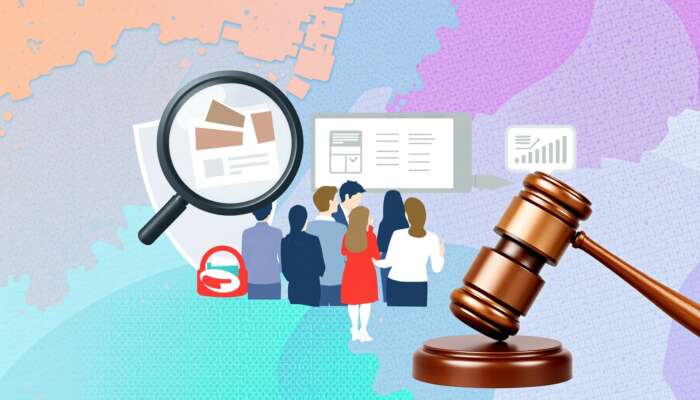
Overview of Consumer Protections
Consumer protections play a crucial role in safeguarding borrowers from predatory practices. Various federal and state laws promote fair lending practices. Regulations may mandate clear disclosure of loan terms, including interest rates and associated fees, ensuring borrowers understand their financial obligations. For more information on related topics, check out our section on consumer insights.
In Mississippi, specific regulations limit the amount that can be borrowed and cap interest rates, providing a safety net for borrowers. Additionally, protections may require lenders to assess a borrower’s ability to repay the loan, reducing the likelihood of unmanageable debt situations.
How Do Payday Loan Regulations Vary by State?
Consumer protections for payday loans vary significantly from state to state. Some states impose strict regulations to limit interest rates and borrowing amounts. For instance, states like New York have effectively banned payday loans, while others, like Mississippi, allow lenders to charge higher fees and interest rates.
Mississippi law permits payday loans up to $500, with lenders charging fees that can result in annual percentage rates (APRs) exceeding 500%. This lack of stringent regulation has led to the proliferation of payday lending in the state, making it essential for borrowers to familiarize themselves with available protections.
| State | Maximum Loan Amount | Interest Rate Cap | Regulation Type |
|---|---|---|---|
| Mississippi | $500 | Up to 500% APR | Lenient |
| New York | $0 | Banned | Strict |
What Role Do Federal Agencies Play?

Federal agencies, particularly the Consumer Financial Protection Bureau (CFPB), oversee and enforce consumer protection laws related to payday loans. Established after the 2008 financial crisis, the CFPB promotes a fair, transparent marketplace for consumer financial products. One key responsibility is ensuring borrowers have access to accurate information regarding their rights and loan terms.
The CFPB actively monitors payday lending practices and investigates consumer complaints. It has implemented rules requiring lenders to assess a borrower’s ability to repay before extending credit, aiming to reduce predatory lending practices.
What Are the Current Regulations on Payday Loans in Mississippi?
Expert Analysis on Current Regulations
The regulatory environment for payday loans in Mississippi is a subject of ongoing debate. Critics argue that existing regulations are insufficient to protect consumers from predatory practices. While some regulations exist, such as limits on loan amounts and required disclosures, enforcement remains lax.
Experts suggest that consumer education is vital in navigating the complexities of payday loans. Many consumers lack a clear understanding of loan terms, leading to poor decision-making. The effectiveness of current regulations relies heavily on consumers recognizing their rights and navigating the lending landscape.
What Actionable Steps Can Borrowers Take?
Steps to Mitigate Risks
Borrowers in Mississippi can take proactive steps to mitigate risks associated with payday loans. First, individuals should thoroughly research potential lenders, focusing on their reputation and transparency regarding fees and terms. Understanding the total cost of borrowing, including interest rates and hidden fees, is crucial before making a commitment.
Additionally, borrowers should explore alternative financial solutions, such as credit unions or small personal loans, which often offer lower interest rates and more favorable repayment terms. If payday loans seem inevitable, consider negotiating terms with lenders or seeking assistance from financial counseling services.
What Should Consumers Look for in a Lender?
When evaluating potential payday lenders, consumers should prioritize transparency and trustworthiness. Key factors to consider include the lender’s reputation, clarity of terms, and responsiveness to inquiries. A reputable lender will provide comprehensive information regarding interest rates, fees, and repayment terms without hidden surprises.
Additionally, inquire about policies on rollovers and extensions, as these can significantly impact the overall cost of borrowing. By conducting thorough research and asking the right questions, consumers can make informed choices and select lenders that align with their financial goals.
How Do Payday Loan Fees Work?
What Are Common Fees Associated with Payday Loans?
Payday loans often come with various fees that can substantially increase the overall cost of borrowing. Common fees include origination fees for processing the loan and late payment fees for missed deadlines. Borrowers might also incur returned check fees if their payment fails due to insufficient funds.
For example, if a borrower takes out a $300 payday loan with a $60 origination fee and later incurs a $30 late payment fee, their total repayment obligation could rise to $390. Understanding these fees is crucial for consumers, as they can distort the perceived affordability of payday loans.
How Are Payday Loan Fees Calculated?
Fees associated with payday loans are typically calculated as a flat fee or a percentage of the loan amount. For instance, a lender may charge a flat fee of $15 for every $100 borrowed, translating to a 15% fee on the initial loan. This percentage can vary widely among lenders based on the borrower’s risk profile.
Understanding how these fees are calculated is essential for anticipating total repayment costs. Consumers should also consider the annual percentage rate (APR) when evaluating payday loans. For example, a $300 loan with a $60 fee for a two-week period results in an APR of 520%.
Are There Alternatives to Payday Loans?
Yes, several alternatives to payday loans can provide financial relief without exorbitant costs. Consumers should first consider credit unions, which often offer short-term loans at much lower interest rates. Many credit unions also have programs designed to help members in financial distress.
Personal loans from traditional banks or online lenders can serve as viable alternatives, typically offering longer repayment periods and lower interest rates. Borrowing from friends or family can also be an option, often involving more flexible repayment terms and no interest.
What Happens If You Default on a Payday Loan?
Defaulting on a payday loan can lead to serious financial repercussions. When a borrower fails to repay on time, lenders often impose additional fees and interest, resulting in a spiraling debt situation. This can create a cycle where borrowers take out new loans to cover old ones, leading to increased financial strain.
If a payday loan goes into collections, it can significantly impact the borrower’s credit history. While payday lenders may not report directly to credit bureaus, collection agencies do, and negative marks can hinder future borrowing opportunities. To avoid these outcomes, borrowers should assess their financial situation before taking on payday loans.
How Can You Minimize Fees on Payday Loans?
Minimizing fees associated with payday loans requires strategic planning and proactive communication with lenders. First, borrowers should aim to repay loans on or before the due date to avoid late payment fees. Setting up reminders or automatic payments can facilitate timely repayments.
Additionally, consumers should negotiate terms with lenders when possible. Some lenders may be willing to extend payment terms or reduce fees for borrowers experiencing financial hardship. By taking these steps, borrowers can significantly reduce their borrowing costs.
What Are the Long-Term Benefits of Consumer Protections?
Real-World Examples of Effective Protections
Effective consumer protections in Mississippi have served as a bulwark against predatory lending practices. For example, a consumer advocacy group successfully lobbied for stricter regulations on loan rollover practices. Prior to these changes, many borrowers fell into a cycle of debt due to excessive rollovers.
When consumer protections are enforced, they can lead to improved outcomes for borrowers. Regulations that limit the number of times a payday loan can be rolled over have helped reduce financial distress among consumers.
How Can Consumers Advocate for Stronger Protections?
Consumers can play a vital role in advocating for stronger payday loan protections through various means. Engaging directly with lawmakers and sharing personal experiences can influence policy decisions that prioritize borrower protection.
Participation in community discussions and public forums focused on financial literacy and consumer rights is another avenue for advocacy. Supporting organizations that advocate for consumer rights can amplify efforts to promote stronger protections.
What Are the Consequences of Not Understanding Consumer Protections?
How Can Ignorance Affect Borrowers?
Ignorance of consumer protections can lead to increased financial distress and potential exploitation by lenders. Without a clear understanding of their rights, borrowers may unwittingly agree to unfavorable loan terms or fail to recognize predatory practices. This lack of awareness can result in spiraling debt, trapping consumers in cycles of borrowing without the tools to escape.
See also: Finance & Business.
See also: Starkville, MS.

Lucas Bennett is a dedicated author and financial consultant specializing in payday loans in Mississippi. With a passion for educating consumers about responsible borrowing practices, Lucas uses his expertise to shed light on the complexities of short-term lending. His insightful articles aim to empower readers with knowledge, helping them navigate financial challenges and make informed decisions.


Your exploration of payday loans and the associated risks really hits home, especially in a state like Mississippi where financial challenges can be all too common. As someone who has navigated the complexities of personal finance myself, I’ve seen how easily people can fall into the trap of high-interest loans, often without fully grasping the long-term consequences.
It’s really commendable that Kopitiamekonomi is addressing the nuances of payday loans, especially in a state like Mississippi, where financial literacy can make a significant difference in individuals’ lives. The reminder about considering fees, APR, and repayment terms is crucial and often overlooked. Many people find themselves in urgent financial situations, and with so many options on the market, it’s essential to navigate these waters wisely.
I appreciate the detailed insights you’ve shared about payday loans and the importance of understanding their risks. It resonates with my experience trying to navigate unexpected expenses. In my case, I once turned to a payday loan for a car repair, but I didn’t fully grasp the fees attached. It ended up being a stressful cycle! Your point about exploring alternatives is crucial—options like personal loans or even community support services can sometimes provide a safer financial path. It would be interesting to hear more about how these alternatives are perceived in Mississippi, as well as tips for those seeking to manage their finances effectively without the pitfalls of payday loans. How do others in the community view their experiences with these different options?