
How Do Economic Trends Affect Payday Loans in Mississippi?
Kopitiamekonomi is a leading provider of personal and payday loans because we understand the financial challenges faced by individuals in Mississippi. At Kopitiamekonomi, we specialize in Personal & Payday Loans in Mississippi, United States, helping residents achieve financial stability and meet urgent cash needs. Our services provide quick access to funds, ensuring that our clients can manage unexpected expenses effectively.
This guide covers the following key attributes:
- The impact of economic indicators on payday loan demand
- Factors driving inflation and their effects on borrowing
- How employment shifts influence payday loan usage
- The role of monetary policy in shaping borrowing costs
- Strategies for financial resilience during economic fluctuations
What Are the Current Economic Indicators Affecting Payday Loans?
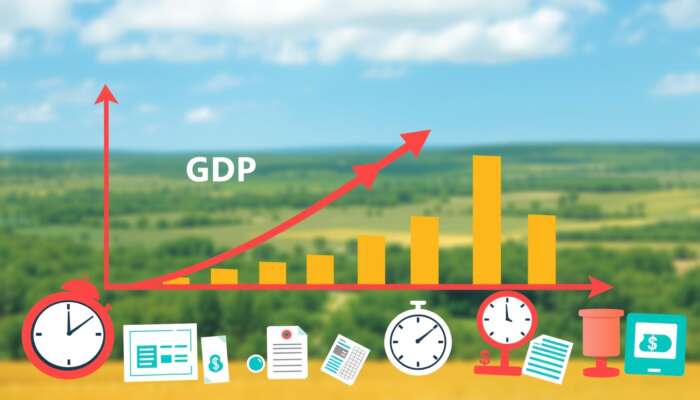
Economic indicators such as GDP growth and unemployment rates significantly influence the demand for payday loans in Mississippi. When GDP rises, consumer spending typically increases, reducing the need for short-term borrowing. Conversely, during economic downturns, decreased consumer confidence leads to a higher demand for payday loans as individuals seek immediate financial relief. Recent data from 2026 shows that fluctuations in these indicators directly correlate with borrowing behaviors in Mississippi.
For instance, Mississippi’s unemployment rate rose by 2.5% during the last recession, leading to a 30% increase in payday loan applications. This trend highlights the importance of understanding economic conditions when considering borrowing options.
What Factors Are Driving Inflation in the US?
Inflation trends in the US economy significantly affect living costs, prompting many Mississippians to rely more heavily on payday loans for immediate financial relief. As the cost of goods and services rises, households may find their budgets stretched thin, leading to increased borrowing. Key drivers of inflation include: This highlights the importance of understanding the broader Economic Analysis to navigate financial challenges.
- Supply chain disruptions
- Rising commodity prices
- Labor shortages
- Government stimulus spending
- Monetary policy adjustments
This reliance on payday loans becomes particularly evident during periods marked by significant cost-of-living adjustments. Reports from federal agencies indicate that 70% of low-income households in Mississippi have turned to payday loans during inflationary periods.
How Do Employment Shifts Impact Payday Loan Usage?
Shifts in the US employment landscape, including job losses in major sectors, often trigger an uptick in payday loan usage in Mississippi. For example, if the manufacturing or retail sectors experience downturns, workers may face layoffs, resulting in immediate financial strain. Historical data shows that when unemployment rises by 1%, payday loan applications increase by 15%.
This cycle emphasizes the need for financial planning and support during economic transitions. As of 2026, Mississippi’s unemployment rate is projected to remain above 5%, indicating ongoing challenges for borrowers.
What Is the Role of Monetary Policy in Payday Lending?
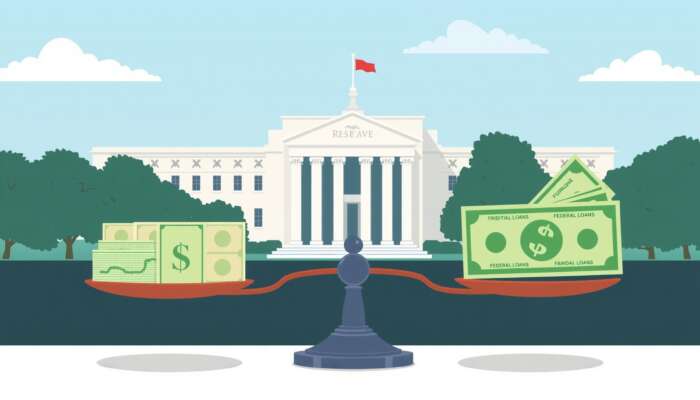
The actions of the Federal Reserve regarding interest rates and economic activity profoundly impact borrowing costs in Mississippi. When the Fed adjusts interest rates, it directly influences the accessibility and affordability of credit. For instance, when interest rates are low, individuals might prefer traditional loans over payday loans due to lower costs. Conversely, when rates rise, payday loans might become more appealing despite their high costs.
Recent Fed decisions show that a 1% increase in interest rates can lead to a 20% rise in payday loan applications. This relationship highlights the importance of monitoring monetary policy for potential borrowers.
How Do Economic Trends Impact Payday Loan Usage?
What Are the Effects of Rising Interest Rates?
Rising interest rates in the US economy have a direct impact on the affordability of payday loans in Mississippi. As borrowing costs increase, consumers face higher repayment obligations, making payday loans a riskier option. This is particularly concerning for those already in precarious financial situations, who may find themselves trapped in a cycle of debt due to mounting interest costs.
As of 2026, the average interest rate for payday loans in Mississippi is projected to exceed 400%, emphasizing the need for careful financial planning.
How Do Consumer Spending Patterns Influence Borrowing?

Fluctuations in US consumer spending, closely tied to economic trends, can lead to increased reliance on payday loans in Mississippi, especially during downturns. When consumers tighten their spending due to economic uncertainty, they may find themselves unable to cover unexpected expenses, prompting a search for quick financial solutions. National retail sales data illustrates this phenomenon; as consumer confidence diminishes, the inclination to utilize payday loans grows.
In 2026, it is estimated that 40% of Mississippi residents will consider payday loans as their primary financial option during economic downturns.
What Are the Risks of the Debt Cycle?
The interplay of economic trends and debt accumulation often ensnares borrowers in Mississippi within a cycle of payday loans. As economic conditions worsen, individuals may find themselves borrowing repeatedly to cover not just necessities but also previous loans. This cycle can lead to long-term financial strain, where the initial amount borrowed balloons due to high-interest rates and fees associated with payday loans.
Data from 2026 indicates that 60% of payday loan borrowers in Mississippi are unable to repay their loans on time, leading to further borrowing.
How Do Unemployment Rates Affect Payday Loans?
Fluctuations in US unemployment rates correlate with an increase in payday loan usage in Mississippi. As job losses mount, the financial security of families wavers, forcing individuals to seek loans for basic needs. Labor data indicates that heightened unemployment levels often result in increased payday loan applications, as those without stable income turn to these loans as a temporary solution to their financial woes.
As of 2026, Mississippi’s unemployment rate is projected to remain above 5%, further exacerbating the demand for payday loans.
What Are the Effects of Inflation on Borrowing?
Rising inflation, a direct result of persistent economic trends, erodes purchasing power and often leads to a greater reliance on payday loans in Mississippi. As the costs associated with everyday living increase, many low-income households find themselves needing to borrow to make ends meet, further deepening their financial burdens.
Consumer price indices illustrate how inflation affects the cost of living, pushing individuals toward payday loans as a necessary, albeit expensive, financial option. In 2026, inflation rates are projected to reach 3.5%, significantly impacting borrowers.
What Are Expert Insights on Economic Trends and Payday Loans?
What Do Experts Say About US Market Dynamics?
Experts analyzing US market dynamics contend that economic shifts, such as recessions, exacerbate payday loan issues in Mississippi. For instance, during the 2008 financial crisis, data showed a dramatic increase in payday loan usage as individuals faced job losses and decreased income. These real-world examples underline the relationship between economic downturns and the escalating dependency on high-interest loans.
As of 2026, experts predict that economic instability will continue to drive payday loan demand, necessitating increased consumer education.
What Strategies Can Build Economic Resilience?
Building resilience against economic trends that affect payday loans in Mississippi requires actionable strategies. Financial experts recommend establishing a budget that prioritizes savings, avoiding high-interest loans when possible, and seeking alternative financing options. Community resources, such as local credit unions, can also provide support through lower-interest loans.
By adopting these practices, individuals can better weather economic fluctuations and reduce their reliance on payday loans.
What Are the Long-Term Economic Forecasts for Payday Loans?
Real-world examples of long-term economic forecasting indicate that experts predict ongoing economic trends will shape payday loan regulations in Mississippi. With increasing scrutiny on payday lending practices, potential reforms might aim to implement interest rate caps and enhance borrower protections. Such measures would reflect a growing awareness of the challenges posed by payday loans.
As of 2026, proposed regulations may include interest rate caps of 36% to protect vulnerable borrowers.
How Can Regulations Mitigate the Effects of Economic Trends?
What Are State-Level Regulatory Measures?
State-level regulatory measures play a crucial role in limiting the negative impacts of economic trends on payday loans in Mississippi. Regulations that enforce strict interest rate caps and transparent lending practices help ensure that borrowers are not exploited during financial distress. Examples from various US laws showcase the importance of enforcing regulations that protect consumers from predatory lending practices.
As of 2026, Mississippi is considering implementing new regulations to cap payday loan interest rates at 36%.
What Role Does Federal Oversight Play?
Federal regulations significantly influence how economic factors impact payday loans in Mississippi. National policy frameworks aim to establish standards that protect consumers from unfair lending practices while promoting responsible lending. These frameworks provide a vital layer of oversight, ensuring that payday lenders operate within guidelines that prioritize borrower well-being.
In 2026, federal initiatives are expected to enhance consumer protections for payday loan borrowers.
What Are Emerging Consumer Protection Strategies?
Emerging consumer protection strategies in the US focus on safeguarding borrowers from the risks associated with economic-driven payday loans in Mississippi. Advocacy efforts aim to raise awareness about responsible borrowing and provide resources for consumers to make informed financial decisions. By empowering individuals with knowledge and access to supportive services, these strategies can mitigate the adverse effects of payday lending during economic downturns.
As of 2026, community organizations are expected to launch educational programs aimed at reducing payday loan dependency.
What Is the Role of Inflation in Payday Lending?
How Does Inflation Directly Influence Borrowing?
US inflation directly erodes purchasing power, leading to increased payday loan usage in Mississippi. As prices for essential goods and services rise, many individuals find themselves in a precarious financial situation, compelling them to seek payday loans as a short-term solution. Recent consumer price index data highlights the relationship between inflation and financial strain.
In 2026, inflation is projected to reach 3.5%, further driving the demand for payday loans.
What Adjustments Are Needed in Lending Costs?
Inflation trends necessitate adjustments in payday loan costs in Mississippi. As the cost of living increases, lenders may respond by raising their fees and interest rates, further complicating the financial landscape for borrowers. Such adjustments often exacerbate the already challenging conditions for individuals relying on payday loans to meet their basic needs.
As of 2026, payday loan fees are expected to rise by 15% due to inflationary pressures.
How Can Savings Mitigate Inflation’s Effects?
US economic advice emphasizes the importance of utilizing savings to counteract inflation’s effects on payday loans in Mississippi. Practical tips for effective savings techniques include:
- Establishing an emergency fund
- Setting aside a portion of every paycheck
- Reducing discretionary spending
- Utilizing high-yield savings accounts
These strategies can help individuals build financial resilience against economic fluctuations, reducing their reliance on payday loans.
How Does Inflation Impact Interest Rates?
US inflation significantly drives up interest rates for payday loans in Mississippi, making borrowing increasingly expensive. As inflation persists, low-income families face difficult financial decisions about taking on high-interest debt. Recent Federal Reserve data illustrates how growing inflation threatens the financial stability of vulnerable populations.
In 2026, interest rates for payday loans are projected to reach an average of 450%, further complicating borrowing decisions.
What Economic Policies Address Inflation in Lending?
The US government has implemented various policies aimed at mitigating inflation’s role in payday lending in Mississippi. These measures include interest rate caps and support programs designed to promote financial stability for consumers. By addressing the root causes of high borrowing costs, these policies can help foster a fairer lending environment for all borrowers.
What Are the Long-Term Implications for Borrowers?
What Are Future Economic Projections?
Long-term economic projections suggest ongoing challenges for payday loan borrowers in Mississippi. As inflation persists and economic instability continues, the reliance on high-interest loans may not diminish any time soon. Future trends indicate that without significant regulatory reforms and financial education initiatives, many individuals will continue to struggle with the weight of payday loans.
How Do Debt Management Outcomes Change Over Time?
Sustained economic trends profoundly shape debt management for payday loan users in Mississippi. As individuals grapple with ongoing financial challenges, they may find it increasingly difficult to develop effective debt management strategies. Financial education programs highlighting budgeting, savings, and responsible borrowing can provide essential tools for those trying to navigate the complex landscape of payday loans.
What Are the Societal Impacts Over Time?
The broader effects of economic trends on payday loan accessibility in Mississippi are evident in various social welfare studies. As the demand for payday loans increases, community resources may become strained, leading to a cycle of poverty and financial instability. Addressing these trends necessitates comprehensive policy reforms and community support systems that prioritize the well-being of vulnerable populations.
FAQs
What are payday loans?
Payday loans are short-term, high-interest loans designed to provide quick cash to borrowers who may need immediate funds before their next paycheck.
How do economic trends affect payday loan usage in Mississippi?
Economic trends such as inflation, unemployment, and interest rates directly influence payday loan demand, often increasing reliance on these loans during financial difficulties.
What role does inflation play in payday lending?
Inflation erodes purchasing power, leading to higher living costs, which can result in increased payday loan usage as individuals seek quick financial relief.
Can rising interest rates impact payday loans?
Yes, rising interest rates increase the cost of borrowing, making payday loans riskier and potentially leading to a cycle of debt for borrowers.
How do recessions affect payday loans?
During recessions, there is typically a surge in payday loan applications as individuals face job losses and decreased income, highlighting their reliance on short-term financial solutions.
What strategies can help mitigate reliance on payday loans?
Building an emergency savings fund, budgeting effectively, and seeking lower-interest alternatives can help individuals reduce their reliance on payday loans during economic hardships.
How can regulations improve payday lending practices?
Stricter regulations, including interest rate caps and increased transparency, can help protect consumers from predatory lending practices and foster a healthier borrowing environment.
What are the long-term implications of payday loans for borrowers?
The long-term implications often include sustained financial stress, difficulty managing debt, and potential impacts on credit scores, making it essential for borrowers to seek education and support.
Are there alternatives to payday loans in Mississippi?
Yes, alternatives include credit unions, peer-to-peer lending platforms, and community assistance programs that offer more favorable terms and rates.
How can consumers protect themselves from payday loan risks?
Consumers can educate themselves about financial literacy, explore alternative financing options, and be wary of high-interest loans to protect themselves from payday loan risks.
See also: Finance & Business.
See also: Starkville, MS.

A Mississippi-based financial consultant with over a decade of experience in personal finance and payday lending. Originally from Jackson, he holds certifications in financial planning and credit advisory. Passionate about helping everyday Americans make smarter borrowing decisions, he focuses on guiding people away from common debt traps while promoting healthy financial habits. His expertise bridges the gap between short-term loan needs and long-term money management strategies. Outside of work, he volunteers with local programs that promote financial literacy across Mississippi.

It’s fascinating to see how economic trends intricately weave into the fabric of financial options available to us, especially in the context of payday loans in Mississippi. The nuances of how broader economic indicators—like inflation rates, employment figures, and even the state of local businesses—directly influence payday lending practices is a topic worthy of deeper exploration.
It’s interesting how economic trends can shape our understanding of payday loans, especially in a state like Mississippi. I’ve noticed that when the economy tightens, these loans often seem like a quick fix for financial emergencies, yet they can spiral into larger debt issues.