Understanding Debt Management Basics
What is debt management in the U.S.?

I believe debt management is a crucial financial strategy because it helps individuals systematically handle their debts and achieve financial stability. Effective debt management involves budgeting tools and negotiations with creditors to reduce high-interest debts. This approach is essential in various economic climates across the United States. For example, many Americans utilize debt management plans (DMPs) through credit counseling agencies, consolidating payments into a single monthly installment. A notable case in California showed a family reducing their credit card debt by over 50% through a DMP, regaining control over their finances.
These programs are often regulated by federal laws, protecting consumers from aggressive collection tactics while providing guidance on best practices. Accessing budgeting tools like Mint or You Need A Budget empowers individuals to track expenses and make informed decisions. The significance of these tools is immense, as they facilitate monitoring cash flow, ensuring debt repayment is prioritized alongside essential living costs. Moreover, understanding rights under the Fair Debt Collection Practices Act is vital for effective creditor negotiations.
- Debt management helps reduce financial strain.
- Utilizing DMPs can significantly lower debt amounts.
- Budgeting tools enhance financial decision-making.
What are the key components of a repayment plan?
A successful repayment plan includes several key components that ensure effective debt management under U.S. laws. First, understanding minimum payments and associated interest rates is crucial. Many Americans underestimate how these factors impact their overall strategy. For instance, if an individual has a credit card balance of $5,000 with an interest rate of 20%, making only the minimum payment can extend the repayment period significantly, resulting in paying much more in interest over time.
Tracking payments and progress is essential. A repayment plan should incorporate monthly assessments to evaluate the effectiveness of the employed strategy. Tools like spreadsheets or budgeting apps help individuals visualize their debt reduction journey, allowing them to celebrate milestones. Practical advice tailored to American financial habits includes setting aside a specific percentage of income each month for debt repayment, which can accelerate the process and reduce interest costs.
- Understanding minimum payments is vital.
- Regular assessments enhance repayment effectiveness.
- Setting aside income for debt repayment accelerates progress.
What are the common debt types in America?
In America, common debt types include credit card balances, personal loans, student loans, and medical bills, each contributing uniquely to financial strain. Credit card debt is particularly prevalent, with millions of Americans carrying balances that often exceed their means. The high-interest rates associated with credit cards can lead to a vicious cycle of debt if not addressed promptly. For example, a young professional in New York City may accumulate credit card debt due to rising living costs, highlighting the need for early intervention through local resources like debt counseling services.
Personal loans, another significant debt type, can be used for various purposes, from consolidating debts to covering unexpected expenses. However, the risk of falling into further debt increases when these loans are not managed properly. For instance, a homeowner in Texas may take out a personal loan for renovations, only to be overwhelmed by both loan payments and existing credit card debts. This emphasizes the need for strategic resources to manage liabilities effectively.
- Credit card debt is widespread and often high-interest.
- Personal loans can lead to further debt if mismanaged.
- Understanding credit score impacts is crucial for debt management.
How Does Payday Loan Repayment Work?

What are the steps to repay a payday loan in the U.S.?
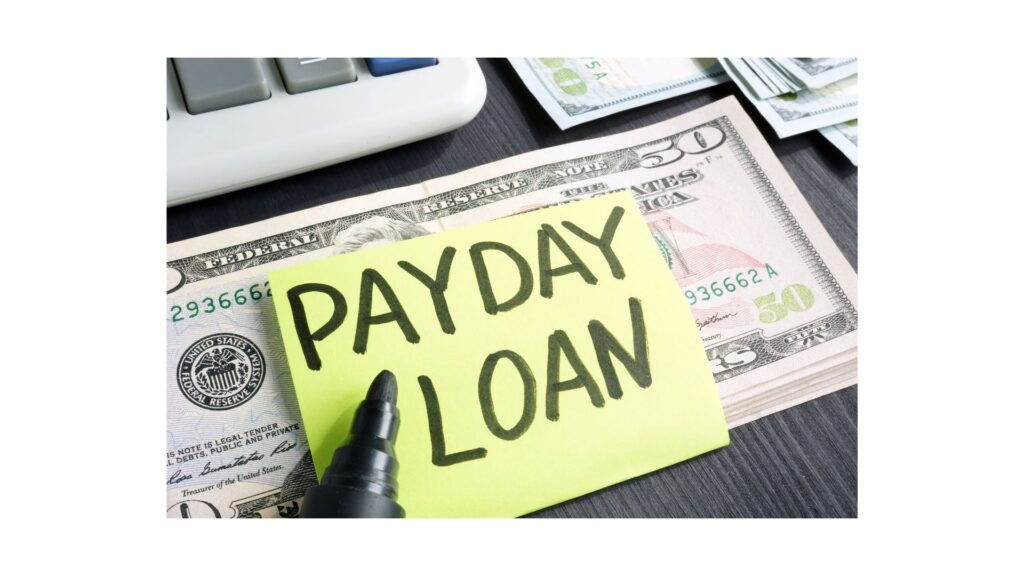
Repaying a payday loan in the U.S. involves several steps that borrowers must follow to avoid falling into a cycle of debt. The process begins with borrowing funds, typically associated with high fees and interest rates due to short repayment periods, often between two to four weeks. For instance, a borrower in Ohio may take out a payday loan for an unexpected car repair, expected to be repaid with their next paycheck. Understanding state regulations governing payday loans is essential, as these can significantly affect repayment terms. Exploring payday loan alternatives currently trending in Mississippi can provide valuable options for borrowers. Payday Loan Alternatives Currently Trending in Mississippi For those struggling, it's essential to learn how to recover from payday loan debt with effective credit repair. Recover from Payday Loan Debt with Effective Credit Repair Understanding state-specific regulations, such as Mississippi's Payday Loan Borrower Protections Explained, can aid in effective repayment.
Once the loan is secured, borrowers should be aware of the repayment timeline, which usually aligns with their pay schedule. Many states allow borrowers to roll over loans, extending the repayment period but often at an additional cost. This practice can lead to increased financial strain, as illustrated by a case in Florida where borrowers found themselves trapped in an endless loop of debt due to continuous rollovers. It is critical for borrowers to plot a repayment strategy considering their income and other obligatory expenses to avoid such pitfalls.
- Understanding state regulations is crucial for repayment.
- Timely repayments prevent additional fees and credit score impacts.
- Plotting a repayment strategy is essential to avoid pitfalls.
What factors affect loan terms?
Several factors influence payday loan terms in the U.S., including interest rates, state regulations, and the borrower’s creditworthiness. Interest rates on payday loans can vary significantly depending on state regulations. For example, in states like Texas, lenders may charge an APR as high as 662%, while others impose stricter caps. This discrepancy emphasizes the importance of researching state lending laws before committing to a loan.
Moreover, rollover options can substantially impact the total loan cost. Borrowers should know that rolling over a payday loan can lead to accumulating fees, potentially trapping them in a cycle of debt. For instance, an individual taking out a $300 payday loan at a 15% fee may need to repay over $600 if they roll over the loan multiple times. This highlights the necessity of understanding the long-term financial implications of payday loans.
- Interest rates vary significantly by state.
- Rollover options can lead to accumulating fees.
- Understanding creditworthiness impacts loan terms.
Why choose structured repayment?

Choosing structured repayment plans for payday loans offers numerous benefits, particularly in reducing stress and preventing cycles of debt. Structured repayment allows borrowers to break down their total repayment amount into manageable installments, significantly easing financial burdens. For example, rather than repaying a payday loan in a lump sum, a borrower may opt for an installment plan, spreading payments over several months. This arrangement facilitates better cash flow management, especially for individuals with fixed incomes or fluctuating expenses.
Moreover, structured repayment plans help prevent common pitfalls associated with payday loans, such as default and further borrowing. By committing to a structured plan, borrowers are less likely to seek additional loans to cover existing debts, which can lead to an overwhelming debt cycle. A real-world example can be found in Pennsylvania, where individuals enrolled in a structured repayment plan reduced their overall debt by adhering to a defined payment schedule. This approach not only reduced stress but also provided a sustainable path toward financial recovery.
- Structured repayment eases financial burdens.
- It prevents the cycle of further borrowing.
- Commitment to a plan promotes financial discipline.
What are expert insights on debt management strategies?
What are effective budgeting techniques for Americans?
Implementing effective budgeting techniques is paramount for Americans seeking to gain control over their finances and manage debt efficiently. One proven strategy is the zero-based budgeting method, where every dollar of income is allocated to specific expenses, savings, or debt repayment until no balance remains. This technique forces individuals to scrutinize their spending habits closely, promoting accountability and informed decision-making. For instance, a family in Illinois utilizing this method reported a significant reduction in discretionary spending, allowing them to allocate more funds towards debt repayment.
Another effective technique is the 50/30/20 rule, which allocates 50% of income to needs, 30% to wants, and 20% to savings and debt repayment. This approach simplifies financial planning, making it easier for individuals to set realistic goals while managing essential expenses. By adhering to this guideline, Americans can create a balanced budget that accommodates debt repayment without sacrificing their quality of life.
- Zero-based budgeting promotes accountability.
- The 50/30/20 rule simplifies financial planning.
- Budgeting apps enhance monitoring of expenses.
How can individuals negotiate with creditors in the U.S.?
Negotiating with creditors can be pivotal for individuals seeking to alleviate financial burdens in the U.S. Effective communication is crucial when discussing potential adjustments to repayment terms. For example, a consumer in Ohio successfully negotiated a lower interest rate on their credit card debt after demonstrating a consistent payment history and expressing genuine financial hardship. This case highlights the importance of being proactive and transparent in negotiations, as many creditors are willing to work with sincere borrowers.
Utilizing a structured approach can enhance negotiation effectiveness. Borrowers should come prepared with a clear understanding of their financial situation and a specific proposal for modifying loan terms. For instance, offering to pay a higher monthly amount in exchange for a lower interest rate can be an effective tactic. Furthermore, borrowers should familiarize themselves with relevant U.S. bankruptcy laws and consumer protections, which can provide leverage during negotiations. Understanding rights under the Fair Debt Collection Practices Act empowers consumers to assert themselves confidently.
- Effective communication is crucial for negotiations.
- Preparation enhances negotiation outcomes.
- Understanding consumer protections provides leverage.
What long-term financial planning advice should Americans consider?
Long-term financial planning plays a crucial role in achieving stability and managing debt effectively for Americans. One fundamental principle is establishing an emergency fund. Financial experts recommend setting aside three to six months worth of living expenses to cover unexpected costs, such as medical emergencies or job loss. This financial cushion prevents individuals from resorting to high-interest loans or credit cards in times of need. Regular contributions to an emergency fund build a safety net that protects financial health.
Additionally, integrating retirement savings into debt repayment plans is essential. While it may seem counterintuitive to save for retirement while managing debt, allocating a portion of income towards retirement accounts can yield long-term benefits. Contributions to 401(k) plans or IRAs provide tax advantages and compound over time, ultimately contributing to wealth building. An example can be seen in California, where an employee consistently contributed to their employer-sponsored retirement plan while adhering to a debt repayment strategy, resulting in financial security in later years.
- Establishing an emergency fund is crucial.
- Integrating retirement savings yields long-term benefits.
- Seeking guidance from financial advisors enhances planning.
What debt consolidation strategies are available in the U.S.?
Debt consolidation can effectively streamline debt repayment processes while reducing costs for Americans. One common method is through personal loans, where borrowers take out a loan to pay off multiple high-interest debts, consolidating them into a single monthly payment. This strategy can lower the overall interest rate if the personal loan offers more favorable terms compared to existing debts. For instance, an individual in New Jersey consolidating credit card debts into a personal loan can save on interest and simplify repayment.
Another popular option for debt consolidation is credit card balance transfers. Many credit cards offer promotional periods with low or zero interest rates for balance transfers, allowing borrowers to pay down debts more efficiently. However, caution is advised; understanding the terms and potential fees associated with these transfers is essential. A practical approach is to calculate total costs involved, ensuring the benefits of transferring balances outweigh any associated fees.
- Personal loans can simplify debt repayment.
- Credit card balance transfers offer promotional rates.
- Assessing credit scores is crucial for consolidation options.
What are the benefits of repayment plans?
How do repayment plans reduce interest costs?
Repayment plans can significantly reduce interest costs for individuals in the U.S., offering a structured approach to managing debts. One primary advantage is the potential for lower interest rates through consolidation or negotiation. By grouping multiple debts into a single repayment plan or loan, borrowers can often secure a lower overall interest rate, resulting in substantial savings over time. For example, consolidating credit card debts with an APR of 25% into a personal loan with a 10% rate can save hundreds of dollars in interest payments.
Moreover, repayment plans incorporating systematic payments can lead to faster debt payoff and lower overall interest accrued. When borrowers commit to a structured repayment plan, they prioritize consistent payments, reducing the principal balance more quickly. As the principal diminishes, so does the interest charged. For example, a structured repayment plan requiring monthly payments of $300 can drastically shorten the loan term and reduce total interest paid compared to only making minimum payments.
- Repayment plans can lower overall interest rates.
- Structured payments lead to faster debt payoff.
- Understanding tax deductions can provide additional savings.
How can repayment plans improve credit scores?
Timely payments on structured repayment plans substantially impact credit scores in the U.S. Credit scores are largely influenced by payment history, accounting for 35% of the total score. When borrowers consistently meet repayment obligations, they demonstrate reliability to credit reporting agencies, leading to an improved credit profile. For example, an individual in Michigan who adheres to a repayment plan can see their score increase over time, opening doors to more favorable loan terms in the future.
Moreover, utilizing a repayment plan helps borrowers manage debts effectively, reducing the likelihood of late payments or defaults that can severely damage credit scores. Gradually reducing outstanding debts through structured payments also contributes to a lower credit utilization ratio, another crucial factor in credit scoring models. For instance, if an individual starts with a credit utilization ratio of 80% and successfully pays down debts, their ratio may drop to 30%, significantly enhancing their credit score.
- Timely payments improve credit scores significantly.
- Effective debt management reduces late payments.
- Lower credit utilization enhances credit profiles.
See also: Finance & Business.
See also: Starkville, MS.

Gavin Harper is an accomplished author specializing in informative content on payday loans in Mississippi. With a keen focus on financial literacy, he provides readers with valuable insights and guidance on navigating the complexities of short-term loans. Through his writing, Gavin aims to empower individuals to make informed decisions about their financial futures and understand the implications of borrowing.