
What Are the Risks of Payday Loans in the US?
What Are the Main Risks?

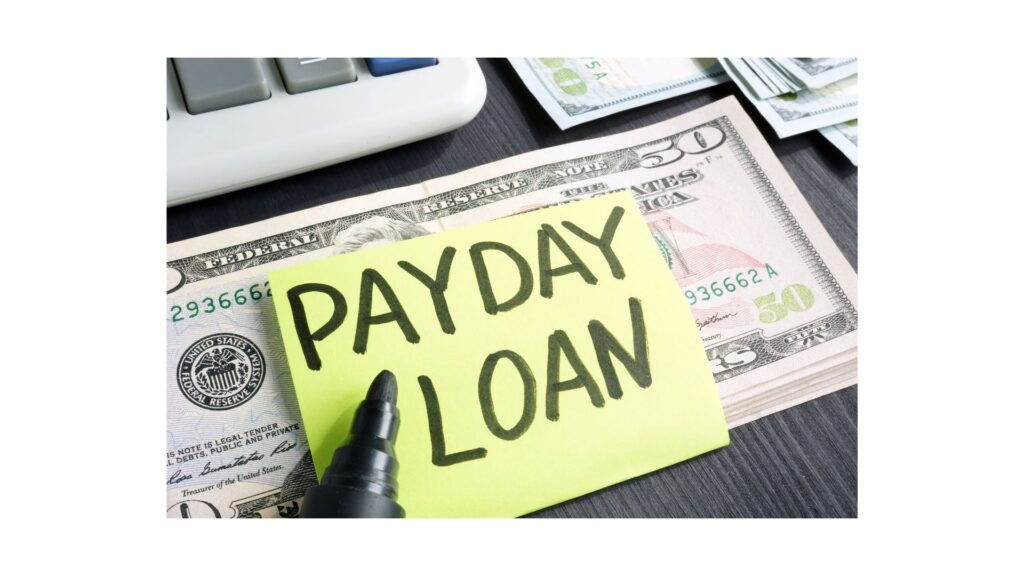
I believe payday loans are high-risk financial products because they often lead to a cycle of debt for borrowers. The exorbitant interest rates and fees can exceed 400% APR, making it challenging for individuals to repay the initial loan amount. This situation can result in financial instability, especially for low-income households in the United States. Understanding these dangers is crucial for prevention, as they frequently lead to increased borrowing and worsening financial conditions for many families.
The cycle of debt stemming from payday loans is not an isolated issue; it has become a widespread problem affecting communities nationwide. Many borrowers take out loans to cover unexpected expenses, only to be unable to pay them back by the due date. This results in additional fees and interest, compelling them to take out new loans to pay off the old ones. Over time, this often leads to a devastating financial situation where individuals are trapped in perpetual debt. It’s imperative for borrowers to recognize these risks to avoid falling into such traps.
- Understanding the high costs associated with payday loans.
- Recognizing the cycle of debt that can ensue.
- Acknowledging the impact on financial stability.
What Are Common Payday Loan Traps in the US?
Across the United States, many borrowers fall into common traps associated with payday loans, which can severely impact their financial wellbeing. Recognizing these pitfalls can help individuals steer clear of financial disaster. Here are some prevalent traps:
- High-interest rates that can exceed 400% APR.
- Rollover fees that allow borrowers to extend their loan but incur additional charges.
- Short repayment terms that often lead to further borrowing.
- Hidden charges that are not disclosed upfront.
- Automatic withdrawal agreements that can drain bank accounts unexpectedly.
- Targeting of low-income individuals who may not have other borrowing options.
- Inadequate regulations in some states, allowing predatory lending practices to flourish.
- Lack of financial literacy programs that could help consumers make informed decisions.
These pitfalls exacerbate an already precarious financial situation for many individuals, particularly those in low-income brackets who rely on payday loans as a last resort. Awareness and education about these traps are essential for anyone considering such lending options. Consider exploring Family Loans as an alternative to payday loans for financial support.
How Can You Recognize Early Warning Signs?
Being able to recognize early warning signs of impending debt is crucial for anyone aiming to avoid the pitfalls of payday loans. Common indicators include mounting interest, frequent late fees, and difficulty paying regular bills. These signs are prevalent in the United States and can serve as a signal that a borrower is entering a dangerous financial territory.
For example, if you find yourself consistently borrowing from payday lenders to cover basic expenses, it may indicate a deeper financial issue that needs addressing. Similarly, if you notice that your loans are becoming larger or that you’re unable to make payments on time, these are significant warning signs. Early detection helps in seeking alternatives, such as reaching out for professional financial advice or looking into community resources designed to assist those in financial distress. Maintaining awareness of your financial status can empower you to take proactive steps before the situation escalates.
- Identifying signs of financial distress.
- Understanding the importance of early detection.
- Seeking alternatives to payday loans.
How Can You Avoid High-Interest Debt?

What Is Building Financial Awareness?
Building financial awareness is a foundational step toward avoiding high-interest debt, particularly in the context of payday loans. Educating yourself about interest rates, borrowing options, and the nuances of credit can significantly empower your decision-making. In the United States, a lack of understanding about how payday loans function often leads individuals to make poor financial choices that can have lasting repercussions.
Start by familiarizing yourself with the terms and conditions of any loan you consider. Understand what the total repayment amount will be if you default or roll over the loan. Take the time to explore affordable credit sources, such as credit unions or community lending programs, which can offer more favorable terms. Additionally, learn about budgeting techniques that can help you manage your finances better. Becoming financially literate allows you to avoid predatory lending practices that affect many Americans and empowers you to take control of your financial future. Consider exploring credit cards as a viable alternative to payday loans.
- Understanding loan terms and conditions.
- Exploring affordable credit sources.
- Learning budgeting techniques.
What Strategies Work Best?
Effective strategies for avoiding high-interest debt include prioritizing savings and exploring low-cost loans. These approaches not only help reduce reliance on high-interest options but also contribute to long-term financial stability for individuals facing economic pressures in the United States.
One strategy is to create an emergency fund that can cover unexpected expenses, thereby lessening the need to resort to payday loans. Aim to save at least three to six months’ worth of living expenses. This cushion can act as a financial buffer in times of need. Additionally, prioritize paying off high-interest debt first to reduce overall financial strain.
Consider looking into low-cost alternatives to payday loans, such as personal loans from credit unions, which often offer lower interest rates and more manageable repayment terms. Furthermore, if you find yourself in financial trouble, consider negotiating with creditors. Many creditors are willing to work with you to create a manageable payment plan that avoids the need for high-interest borrowing.
- Creating an emergency fund.
- Prioritizing high-interest debt repayment.
- Exploring low-cost alternatives to payday loans.
How Can You Seek Professional Advice?

Consulting financial advisors can provide valuable, personalized guidance on debt avoidance strategies. In the United States, many individuals overlook the importance of professional financial advice, thinking they can manage their expenses alone. However, expert assistance can help illuminate options you may not have considered. Consider using tools like the Top Personal Finance Tracking Apps for Mississippi Users to help manage your budget effectively.
A financial advisor can assist in reviewing your budget and identifying areas where you can cut unnecessary expenses. They can also help explore better debt management options and guide you toward resources designed to promote financial literacy. Additionally, they might suggest ways to improve your credit score, which can lead to lower interest rates on future loans.
By working with a professional, you can develop a comprehensive financial plan tailored to your unique circumstances. This proactive approach can prevent the need for payday loans altogether, equipping you with the tools necessary for long-term financial health.
- Understanding the benefits of professional financial advice.
- Identifying areas for budget improvement.
- Exploring resources for financial literacy.
What Are Expert Insights on Tips for Avoiding Payday Loan Debt in Gulfport?
What Are Real-World Examples of Debt Avoidance?
In Gulfport, as well as in other parts of the United States, there are numerous real-world examples where individuals have successfully avoided debt through disciplined financial practices. One common tactic is budgeting tightly and tracking expenses meticulously. For instance, a Gulfport resident might use budgeting apps to categorize spending and identify unnecessary costs. This method has proven effective in cutting back on non-essential expenses, ultimately allowing more room for savings and less reliance on payday loans.
Another example comes from community-driven workshops that teach residents about financial literacy. Participants learn essential skills such as how to create a spending plan, manage credit, and understand loan terms. These workshops can empower individuals by providing knowledge and tangible strategies for maintaining financial stability. Such programs not only help participants avoid payday loans but also foster a sense of community support and shared experience, which can further enhance financial literacy.
- Utilizing budgeting apps for expense tracking.
- Participating in community-driven financial literacy workshops.
- Building a culture of financial support within the community.
What Are Actionable Steps for Prevention?
Building an emergency fund is one of the most effective strategies to prevent the need for payday loans. Experts recommend setting aside a specific amount each month until you reach a target amount that can cover at least three months’ worth of expenses. This can help mitigate risks associated with unexpected financial burdens.
In addition to building savings, individuals should actively monitor their spending habits. By keeping a close eye on monthly expenses, you can identify areas where cutbacks can be made. For instance, consider reviewing subscriptions or memberships that may no longer be necessary. This practice not only helps in budgeting but also reinforces a mindset focused on financial responsibility.
Additionally, negotiating with creditors can be a powerful tool. If you find yourself overwhelmed with debt, reaching out to your creditors to discuss your situation can lead to alternative payment arrangements. Many creditors are willing to work with individuals to create manageable repayment plans, which can prevent the need for high-interest borrowing and ultimately promote long-term financial health.
- Setting aside funds for emergencies.
- Monitoring spending habits regularly.
- Negotiating with creditors for better terms.
What Are Trusted Strategies from Specialists?
Experts recommend several actionable steps based on their experiences to help individuals avoid payday loan debt. One effective strategy is implementing strict budgeting practices, which can provide clarity on your financial situation. Keeping track of every expense and income can help highlight areas for improvement and allow for better financial decision-making.
Another trusted strategy is to utilize community resources such as credit counseling services. These organizations offer free advice and can help you develop a budget, avoid debt, and work on improving your credit score. They can also guide you in understanding the risks associated with payday loans and how to avoid them altogether.
Moreover, consider setting up automatic transfers into your savings account. This approach ensures that you are consistently saving, which can help create a financial cushion for emergencies. By integrating these recommendations into your financial routine, you can significantly reduce the temptation to resort to payday loans, fostering a healthier financial future.
- Implementing strict budgeting practices.
- Utilizing community resources for financial advice.
- Setting up automatic savings transfers.
What Are the Research-Backed Benefits of Tips for Avoiding Payday Loan Debt in Gulfport?
What Are the Research-Backed Benefits?
Research indicates numerous benefits associated with avoiding payday loans, particularly in terms of improved credit scores and financial stability. By steering clear of high-interest debt, individuals can focus on building their credit profiles positively, leading to better borrowing options in the future. Studies show that those who avoid payday loans often experience less financial stress, as they are not burdened with excessive fees and interest.
Furthermore, avoiding payday loans allows individuals to allocate funds toward savings and investments rather than interest payments. This shift enhances overall financial health and promotes a more sustainable economic lifestyle. The benefits extend beyond personal finance; communities that prioritize financial literacy and support systems tend to experience lower rates of poverty and greater economic mobility.
- Improved credit scores and borrowing options.
- Less financial stress and burden.
- Enhanced community economic mobility.
What Are Case Studies from Financial Experts?
Case studies from financial experts highlight the effectiveness of alternative saving methods in achieving financial stability. For example, one study showcased a program in Gulfport that encouraged residents to participate in workshops focused on building savings through small, consistent contributions. Participants reported significant improvements in their financial situations, often stating that they felt more secure and less reliant on payday loans.
These case studies often underscore the importance of community involvement in financial education. Programs that emphasize the value of saving and budgeting have shown to yield tangible results, with participants developing better financial habits over time. Such community-driven efforts can ensure that residents are well-equipped with the knowledge and tools necessary to avoid high-interest debt.
- Success stories from local savings programs.
- Importance of community involvement in financial education.
- Development of better financial habits over time.
What Are Data-Driven Insights on Success?
Research indicates that disciplined budgeting leads to reduced borrowing, a trend observed in various studies across the United States. By adopting a proactive approach to managing finances, individuals often find themselves less reliant on payday loans. Data shows that individuals who regularly monitor their expenses and implement budgeting strategies tend to experience improved financial security.
For instance, surveys suggest that individuals who participate in financial coaching programs report a marked decrease in their reliance on high-interest loans. These data-driven insights highlight the importance of establishing a solid financial foundation, which can significantly impact one’s ability to navigate financial challenges without resorting to payday debt.
- Reduction in reliance on payday loans through budgeting.
- Improved financial security from proactive management.
- Positive outcomes from financial coaching programs.
What Are Real-World Applications in Gulfport?
In Gulfport, the practical implementation of research-backed strategies for avoiding payday loan debt has yielded positive outcomes. Community organizations have started offering financial literacy programs that equip residents with the necessary tools to manage their finances effectively. These initiatives have led to enhanced financial literacy and reduced borrowing reliance.
A notable example includes a local initiative where residents are taught budgeting skills and the importance of creating an emergency fund. Participants in these programs often report feeling empowered to make informed financial decisions, leading to long-term economic empowerment. Additionally, these community-based efforts have fostered a sense of solidarity among residents, encouraging them to support one another in their financial journeys.
- Positive outcomes from community financial literacy programs.
- Empowerment through budgeting skills.
- Supportive community environment for financial health.
What Steps Can Help You Stay Debt-Free?
What Are Practical Tips for Everyday Life?
Incorporating practical habits into your daily life can help maintain a debt-free status. Simple actions can go a long way in establishing a strong financial foundation. Consider the following actions to help you achieve financial stability:
- Meal planning to reduce food expenses.
- Setting a strict budget and sticking to it.
- Cutting unnecessary subscriptions or memberships.
- Using cash for discretionary spending to avoid overspending.
- Tracking all expenses to identify potential savings.
- Shopping sales or using discount codes when purchasing items.
- Setting financial goals and reviewing them regularly.
- Seeking out community resources for financial education.
These daily practices not only help in controlling expenses but also foster a mindset focused on financial responsibility. By prioritizing these habits, individuals can better prepare themselves to handle unexpected costs without falling into the trap of payday loans.
How Can You Monitor Your Finances Regularly?
Regularly reviewing bank statements and monitoring your financial status is critical for detecting potential debt issues early. This proactive approach can help you stay ahead of financial pitfalls, ensuring that you maintain control over your financial situation.
Establish a routine where you review your finances weekly or monthly. Look for any unusual charges, review your spending habits, and assess whether you are staying within your budget. This practice can help highlight any areas where adjustments are needed and allow you to address issues before they escalate into more significant problems.
- Establishing a routine for financial reviews.
- Identifying unusual charges or spending patterns.
- Making timely adjustments to your budget.
How Can You Build a Support Network?
Connecting with family, friends, or community resources provides crucial emotional and practical support when navigating financial challenges. Surrounding yourself with a supportive network can reinforce the habits necessary to stay away from high-interest debt.
Consider joining local financial literacy groups or workshops where individuals share their experiences and strategies for financial management. These settings often provide valuable insights and create a collaborative environment that encourages accountability. By engaging with others who share similar financial goals, you can gain motivation and learn from one another’s successes and challenges.
Moreover, having a support network can be instrumental in maintaining a positive mindset toward financial well-being. Emotional support from friends and family can help reduce stress and anxiety related to financial issues, enabling you to focus on implementing positive changes in your financial habits.
- Connecting with local financial literacy groups.
- Sharing experiences and strategies with peers.
- Building emotional support networks for financial health.
What Are Long-Term Financial Strategies in the US?
How Can You Invest in Education and Skills?
Investing in education is vital for enhancing earning potential, which can significantly reduce the need for loans in the United States. By focusing on career development and skill-building, individuals create lasting financial security that helps them avoid short-term borrowing traps.
Consider enrolling in vocational training, online courses, or pursuing a degree that aligns with your career aspirations. Continuous education not only boosts your skill set but also opens doors to higher-paying job opportunities. This proactive approach to career development has the potential to transform your financial landscape, providing a stable income that minimizes reliance on payday loans.
- Enrolling in vocational training or online courses.
- Pursuing degrees that align with career goals.
- Taking advantage of employer-sponsored education programs.
How Can You Save for Future Emergencies?
Establishing a dedicated savings plan is essential for protecting against unexpected costs. In the United States, having an emergency fund can provide a financial buffer, helping you maintain stability without resorting to payday options.
See also: Finance & Business.
See also: Starkville, MS.

Ethan Mitchell is a dedicated author and finance enthusiast based in Mississippi, specializing in the intricacies of payday loans and their impact on local communities. With a keen focus on financial literacy, he aims to empower readers by providing clear, insightful information on responsible borrowing practices. Through his engaging writing, Ethan endeavors to demystify payday loan processes and promote informed decision-making to help individuals navigate financial challenges effectively.



It’s great that you spotlight the dangers of payday loans, particularly the cyclical nature of the debt they create. In my experience, I’ve seen firsthand how easily individuals can fall into this trap, often due to unexpected expenses or financial emergencies. However, what’s also troubling is the way financial literacy, or the lack thereof, plays a significant role in this issue. Many people are simply unaware of the true costs associated with these loans or the alternatives available to them, such as credit unions or community assistance programs.
You’ve raised an important issue about the dangers of payday loans, particularly in communities like Gulfport where financial resources can be limited. I can personally relate to the struggle many face when unexpected expenses arise; it’s tempting to resort to quick fixes like payday loans. However, the spiraling debt that often follows can be debilitating.