Understanding Payday Loans
What Are Payday Loans?

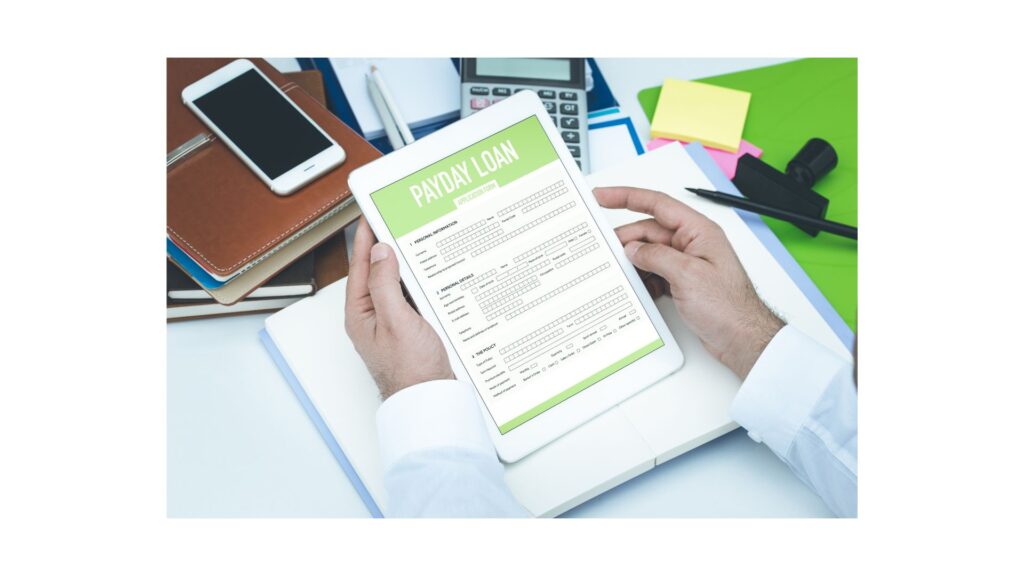
Payday loans are short-term, high-interest loans due on the borrower’s next payday. They provide immediate cash for urgent expenses, often without a credit check. Borrowers can obtain these loans quickly from storefront lenders or online platforms. Understanding the terms is crucial for responsible borrowing, as the convenience of payday loans can lead to financial distress.
Many borrowers may not realize that payday loans often come with exorbitant interest rates, sometimes exceeding 400% annually. This makes repayment challenging, especially for those who rely on these loans frequently. While they may seem like a quick fix for financial emergencies, the associated risks can lead to serious financial distress.
- Short-term loans with high-interest rates.
- Quick access to funds without credit checks.
- Potential for financial distress due to high fees.
How Do Payday Loans Work?
Payday loans function by allowing borrowers to write a check for the amount borrowed plus a fee. The lender cashes this check on the borrower’s next payday. The amounts borrowed typically range from $100 to $1,500, depending on state regulations and lender policies. Borrowers must repay the loan amount plus high fees quickly, often within two weeks.
The repayment cycle can quickly become a financial trap. If borrowers cannot repay on time, they may roll over the loan for another term, incurring additional fees and escalating their debt. This cycle can lead to a payday loan debt spiral, where borrowers become reliant on these loans, facing increasing fees and amounts due.
- Loans range from $100 to $1,500.
- Repayment typically required within two weeks.
- Rolling over loans incurs additional fees.
What Are the Risks of Payday Loans?
The risks associated with payday loans are significant. The high-interest rates mean many borrowers struggle to repay the loan in full, leading to a cycle of debt. As fees accumulate, borrowers may find themselves needing to take out additional payday loans just to cover previous ones, creating a vicious cycle that can be hard to escape.
Furthermore, defaulting on payday loans can lead to severe consequences, including legal actions, wage garnishments, and damage to credit scores. This damage can affect future borrowing potential, making it even harder to secure affordable credit. Additionally, the stress of managing multiple payday loans can lead to emotional and psychological strain, negatively impacting overall well-being. For those facing challenges, consider exploring Credit Repair Tips for Single Parents in Mississippi.
- High-interest rates lead to repayment struggles.
- Defaulting can result in legal actions and wage garnishments.
- Emotional strain from managing multiple loans.
Alternatives to Payday Loans

Exploring alternatives to payday loans is crucial for anyone looking to avoid debt spirals. Several options provide financial assistance without the high costs associated with payday loans. Consider the following alternatives:
- Credit Unions: Often offer lower interest rates and more flexible terms.
- Personal Loans: Can provide larger amounts of money with lower interest rates.
- Payment Plans: Some service providers offer payment plans that can ease financial burdens.
- Community Assistance Programs: Local organizations may provide emergency funds or resources.
- Family and Friends: Borrowing from trusted individuals can alleviate immediate financial pressure.
- Employer Advances: Some employers offer salary advances that can help in emergencies.
- Side Gigs: Finding extra work can provide additional income to manage expenses.
- Negotiating Bills: Reaching out to service providers may lead to extended payment options.
By considering these alternatives, borrowers can make informed decisions that reduce the risk of falling into a payday loan debt spiral.
What Regulations Surround Payday Loans?
The landscape of payday loans is governed by various federal and state regulations designed to protect consumers from predatory lending practices. In Mississippi, payday lending is legal, but specific laws regulate the terms of these loans. For example, Mississippi law caps payday loan amounts at $500, while lenders can charge fees as high as 60% of the loan amount.
Regulatory measures also require lenders to provide clear disclosures regarding the loan terms, including the total repayment amount and the interest cost. This is important to ensure borrowers understand their obligations before committing to a payday loan. Additionally, many states have enacted laws that limit the number of consecutive loans a borrower can take out, aimed at curbing the cycle of debt.
- Mississippi caps payday loans at $500.
- Lenders can charge fees up to 60% of the loan amount.
- Clear disclosures are required for loan terms.
Expert Insights on Tips For Avoiding Payday Loan Debt Spirals In Mississippi
How Can You Manage Your Finances Effectively?

Effective financial management is paramount in avoiding the need for payday loans. Creating a detailed budget that tracks all income and expenses is a foundational step. This involves categorizing expenses into fixed costs, such as rent and utilities, and variable costs, such as entertainment and dining out.
In Mississippi, where many households live paycheck to paycheck, building a budget can help prevent reliance on payday loans. Allocating a portion of income for savings creates a safety net that reduces the likelihood of turning to payday loans during financial emergencies. For more insights on managing finances, explore our category on Finance & Business. For residents in Starkville, MS, building a budget can help prevent reliance on payday loans. See also: Negotiate Lower Payday Loan Fees in Mississippi Successfully. For more information, check out our guide on Emergency Cash Options in Mississippi.
- Track all income and expenses.
- Identify fixed and variable costs.
- Allocate income for savings to create a safety net.
What Actionable Steps Can You Take to Avoid Debt Spirals?
To effectively avoid debt spirals associated with payday loans, individuals can implement several actionable steps tailored to their circumstances. These steps include:
- Create a savings plan to build a buffer for emergencies.
- Explore alternative loan options that offer better terms.
- Seek financial counseling for personalized advice.
- Limit the use of credit cards to avoid accumulated debt.
- Educate yourself about financial products and services.
- Track spending habits to identify and eliminate waste.
- Communicate with creditors to negotiate better terms.
- Engage in community resources for financial education.
Each of these steps can empower individuals to take charge of their finances, ultimately leading to a lower likelihood of relying on payday loans. For instance, a well-structured savings plan can provide quick access to funds during emergencies, while financial counseling can help identify ineffective spending habits.
What Are Real-World Examples of Successful Strategies?
Real-world examples can provide powerful inspiration for those navigating challenges related to payday loans. Consider the story of a Mississippi single mother who faced financial instability due to unexpected medical expenses. Instead of resorting to payday loans, she sought help from a local credit union that offered a personal loan with a much lower interest rate.
This allowed her to consolidate her debts into one manageable monthly payment, making financial recovery more achievable. Another example involves a couple who recognized their dependency on payday loans. They initiated a financial counseling program that equipped them with budgeting skills and strategies to improve their credit score.
- Single mother used a credit union for a lower interest loan.
- Couple improved budgeting skills through financial counseling.
- Both examples highlight proactive financial strategies.
How Can You Create a Budget?
What Are the Key Elements of a Budget?
Creating a budget is a fundamental skill that can lead to financial stability. The key elements of a budget include identifying sources of income, listing fixed expenses, accounting for variable expenses, and setting savings goals. Income should encompass all sources, including salaries, bonuses, and any side income.
Fixed expenses are those that remain constant each month, such as rent or mortgage payments, insurance premiums, and loan repayments. In contrast, variable expenses can fluctuate, including groceries, entertainment, and dining out. By categorizing these expenses, individuals can gain insights into their spending habits and prioritize essential costs.
- Identify all income sources.
- List fixed and variable expenses.
- Set specific savings goals for financial health.
How Often Should You Review Your Budget?
Regularly reviewing your budget is essential for maintaining financial health and making informed decisions. Ideally, individuals should assess their budget at least once a month. This frequency allows for adjustments based on changes in income, expenses, or financial goals.
In addition to monthly assessments, it is wise to conduct more thorough reviews quarterly or bi-annually. This allows individuals to evaluate their overall financial progress, reassess savings goals, and make necessary adjustments to their budgeting strategy.
- Review your budget at least once a month.
- Conduct quarterly or bi-annual reviews for thorough evaluation.
- Adjust your budget based on income and expenses changes.
What Tools Can Help You Budget Effectively?
The right budgeting tools can simplify the process of tracking finances and enhance overall effectiveness. Numerous options are available, ranging from traditional methods like pen and paper to modern budgeting apps. Some popular budgeting tools include:
- Personal Finance Apps: Apps like Mint or YNAB automate tracking and provide insights into spending patterns.
- Spreadsheets: Creating a customized spreadsheet in software like Excel or Google Sheets allows for personalized budgeting practices.
- Envelope System: A physical method where cash is divided into envelopes for different spending categories can curb overspending.
- Budget Planners: Pre-made planners designed specifically for budgeting can help structure financial goals and track progress.
- Financial Software: Programs such as Quicken provide in-depth financial analysis and budget tracking capabilities.
- Paper Journals: Writing down daily expenses can foster awareness and accountability for spending habits.
- Online Courses: Many websites offer courses on budgeting tools and techniques to improve financial skills.
- Community Workshops: Local programs often provide resources and tools to help individuals budget effectively.
Using these tools effectively not only aids in maintaining a budget but also promotes financial literacy, enabling individuals to make informed decisions about their money.
Trusted Strategies For Tips For Avoiding Payday Loan Debt Spirals In Mississippi
What Are Alternative Solutions to Avoid Debt Spirals?
When seeking to avoid payday loan debt spirals, exploring alternative solutions is essential. Several options provide more favorable terms and can assist individuals in managing financial emergencies without falling into high-interest debt.
Credit unions are non-profit entities that often offer lower interest rates on loans compared to traditional payday lenders. Additionally, personal loans from banks or online lenders can provide larger sums of money with more manageable repayment terms.
- Credit unions offer lower interest rates.
- Personal loans provide larger sums with manageable terms.
- Community assistance programs can help during financial hardships.
How Can You Build an Emergency Fund?
Building an emergency fund is a critical step in avoiding the need for payday loans during financial crises. An emergency fund acts as a financial buffer that provides peace of mind and reduces reliance on high-interest loans. Ideally, individuals should aim to save at least three to six months‘ worth of living expenses.
To establish an emergency fund, start by setting aside a small amount each month. Automating transfers can make this process seamless and consistent, ensuring that savings grow over time without requiring constant attention.
- Save at least three to six months’ worth of living expenses.
- Automate transfers to your emergency fund for consistency.
- Cut back on non-essential expenses to boost savings.
What Are Tips for Negotiating with Creditors?
Negotiating with creditors can significantly alleviate financial stress, particularly for individuals facing hardship. Open lines of communication with lenders are essential; many are more willing to work with borrowers than anticipated. Start by explaining your situation honestly. Most creditors prefer to receive partial payments rather than none at all.
Consider proposing a payment plan that fits your budget, ensuring it’s realistic. Being prepared with documentation of your financial situation can bolster your case and demonstrate your commitment to repaying the debt.
- Communicate openly with creditors about your situation.
- Propose realistic payment plans that fit your budget.
- Document your financial situation to strengthen your case.
What Are the Consequences of Defaulting on Payday Loans?
How Does Defaulting Impact Your Credit Score?
Defaulting on payday loans can have dire consequences for your credit score. A missed payment can lead to a significant drop in your credit rating, impacting future borrowing opportunities. Payday lenders typically do not report to credit bureaus; however, if the loan goes to collections, it will appear on your credit report and negatively affect your score.
A lower credit score means higher interest rates on future loans, making borrowing more expensive. Additionally, a poor credit score can lead to loan denials when attempting to secure mortgages, car financing, or even rental agreements.
- Missed payments lead to significant drops in credit scores.
- Lower credit scores result in higher interest rates.
- Loan denials can occur due to poor credit history.
What Legal Actions Can Lenders Take?
When borrowers default on payday loans, lenders may pursue various legal actions to recover unpaid debts. Initially, lenders may attempt to collect through phone calls or letters. If payment remains outstanding, they may escalate their efforts by selling the debt to collections agencies.
In extreme cases, lenders can pursue legal action by filing a lawsuit against the borrower. This may result in court judgments that allow lenders to garnish wages or levy bank accounts. Such actions can severely impact a borrower’s financial situation.
- Lenders may use collections agencies for unpaid debts.
- Legal actions can lead to wage garnishments or bank levies.
- Communication with creditors can help avoid legal issues.
What Are the Long-Term Effects of Payday Loan Debt?
The long-term effects of payday loan debt can be detrimental to an individual’s financial well-being. Chronic reliance on payday loans can lead to ongoing financial instability, making it challenging to recover financially. This cycle often results in continuous borrowing, escalating fees, and significant financial stress.
Moreover, individuals may experience a decline in their overall creditworthiness, making it difficult to secure affordable financing options in the future. Long-term dependency on payday loans can also have psychological impacts, causing anxiety and stress that affect overall quality of life.
- Chronic reliance leads to ongoing financial instability.
- Decline in creditworthiness affects future financing options.
- Psychological impacts include anxiety and stress.
How Can Defaulting Affect Employment Opportunities?
Defaulting on payday loans can adversely impact employment opportunities, particularly in industries that conduct credit checks as part of the hiring process. Employers may view a poor credit history as a sign of financial irresponsibility, leading to concerns about a candidate’s reliability and judgment.
This can create a vicious cycle—financial difficulties hinder job opportunities, which can further exacerbate financial issues. Individuals seeking employment in finance or managerial positions may face even greater scrutiny regarding their credit histories.
- Defaulting can harm employment prospects.
- Financial difficulties can hinder job opportunities.
- Good credit scores enhance employability.

Gavin Harper is an accomplished author specializing in informative content on payday loans in Mississippi. With a keen focus on financial literacy, he provides readers with valuable insights and guidance on navigating the complexities of short-term loans. Through his writing, Gavin aims to empower individuals to make informed decisions about their financial futures and understand the implications of borrowing.